

Diving at The Foot of Volcanoes in Sumbawa

 EN
ENNear Bali, in Indonesia, the island of Sumbawa and its volcanoes offer a fantastic diversity of dives. From manta rays to nudibranches, the underwater world is full of wonders...
Where is this, Sumbawa?
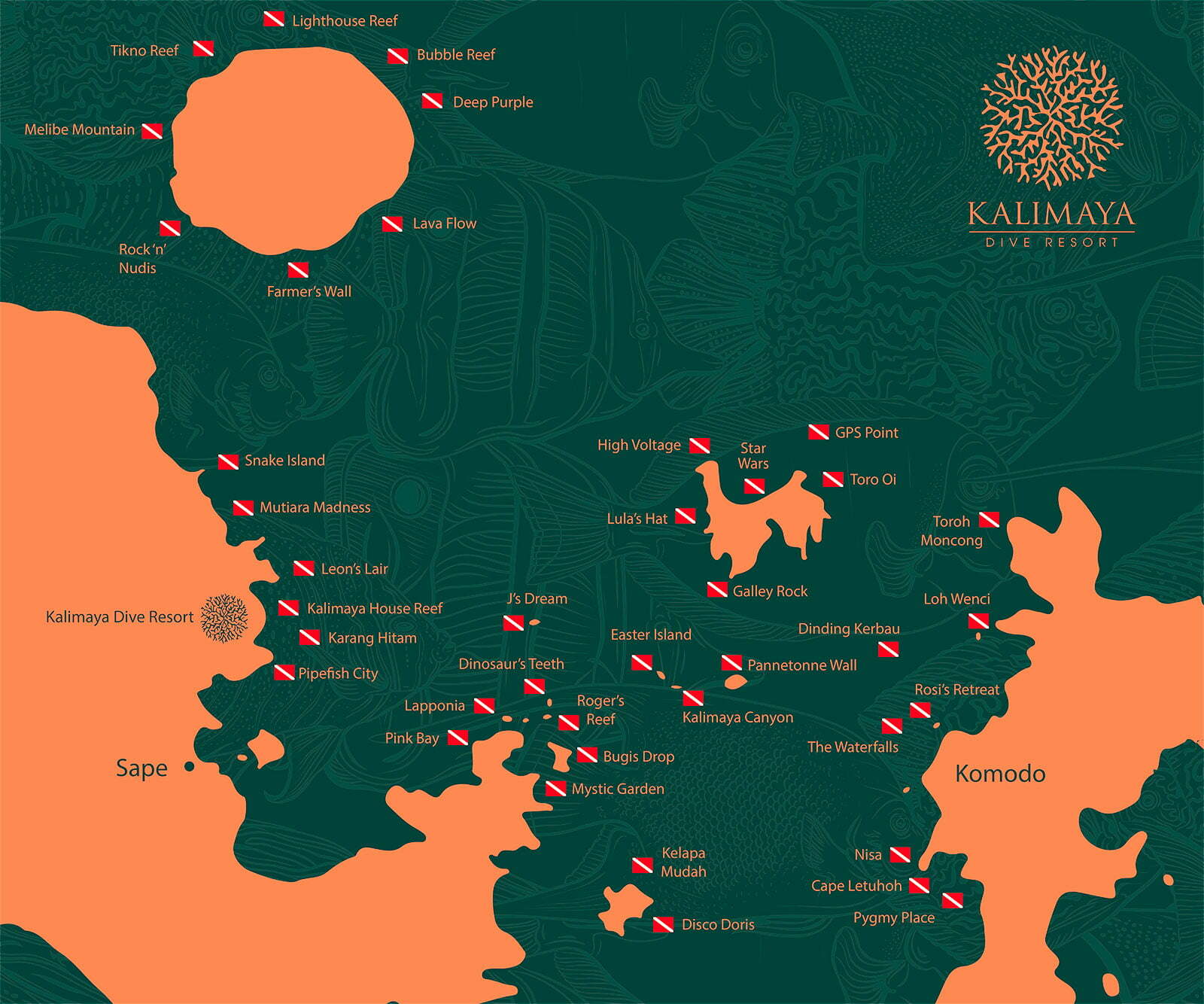
Sumbawa is the last stop on my Indonesian journey of July 2018. Another island a little away from the traditional tourist routes for now. Located in the region known as the Lesser Sunda Islands (Nusa Tenggara), Sumbawa is very close to the well-known Bali and Lombok (in the West) and to the famous Komodo National Park (in the East).
Of course, it was the prospect of exploring the reputedly splendid underwater world that drew me there... 😉 And I wasn't disappointed.
I had spotted for a while the Kalimaya Dive Resorta new diving hotel opened in 2016 (and for the moment the only one in the area), which seemed to have everything to please me, judging by the first reviews found on the internet... So I decided to go and see it myself!
It takes around two hours to drive from the airport in Bima to Kalimaya. The resort is right next to a fishing village called Poja, north of the port of Sape, the "big" town in the area... It's here..:
A brief overview of Sumbawa
The few tourists who stay in Sumbawa are mainly surfers. They go rather on the west coast, opposite Lombok. In the northwest, a little beach tourism has also developed around the marine reserve of the islands of Moyo and Medang, opposite the volcano Tambora (the area has just been recognized "Unesco "biosphere reserve).
I went to the opposite side, on the east coast. And as I dived every day, I did not really visit the island, which is very vast. I did manage to make a small incursion on land on the side of Sape, to buy beautiful traditional fabrics, which allowed me to see in passing some fishing villages and the surrounding countryside.
How to get to Sumbawa? Sumbawa is easy to reach by boat or by plane, there are flights from the airports of Bali, Lombok or Makassar. We land at the airport of Bima. There are also crossings by ferry from Lombok and Flores, as well as various speed-boat services and cruises that stop over there.
I also took advantage of the surface intervals, between two dives, to admire the coast. I keep a dazzling memory of the magnificent Pink Beach, a deserted cove of immaculate pink-white sand with intense turquoise waters...
Like its neighbor Lombok, the majority of the population of Sumbawa is Muslim and most people still live in a fairly traditional way in small villages. The main resources of the island are agriculture and breeding, fishing, mining...
In this season, the relief has a yellowish vegetation that contrasts with the soft green of the rice fields. As in Komodo and Alor, the climate here is much drier than in Bali.
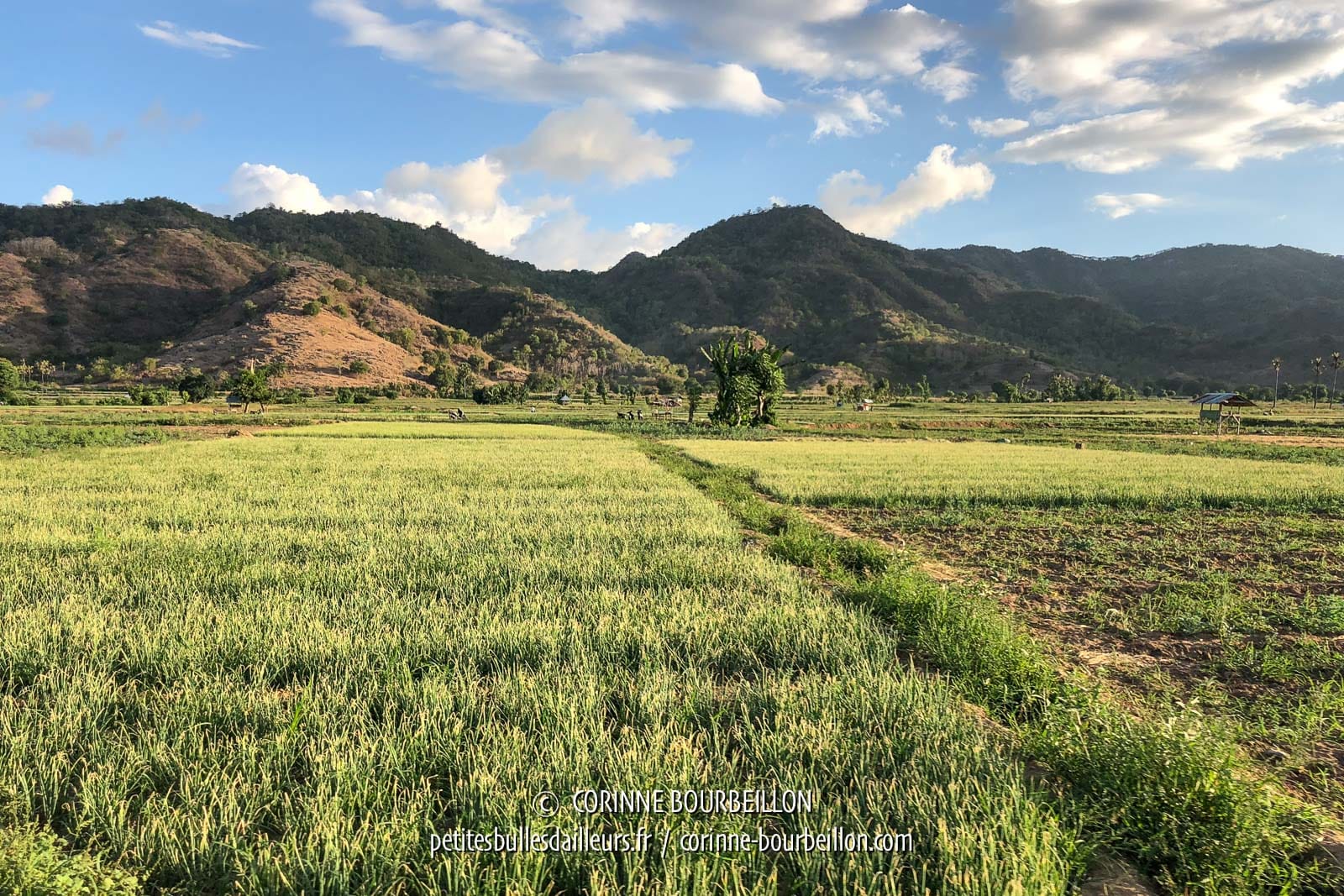
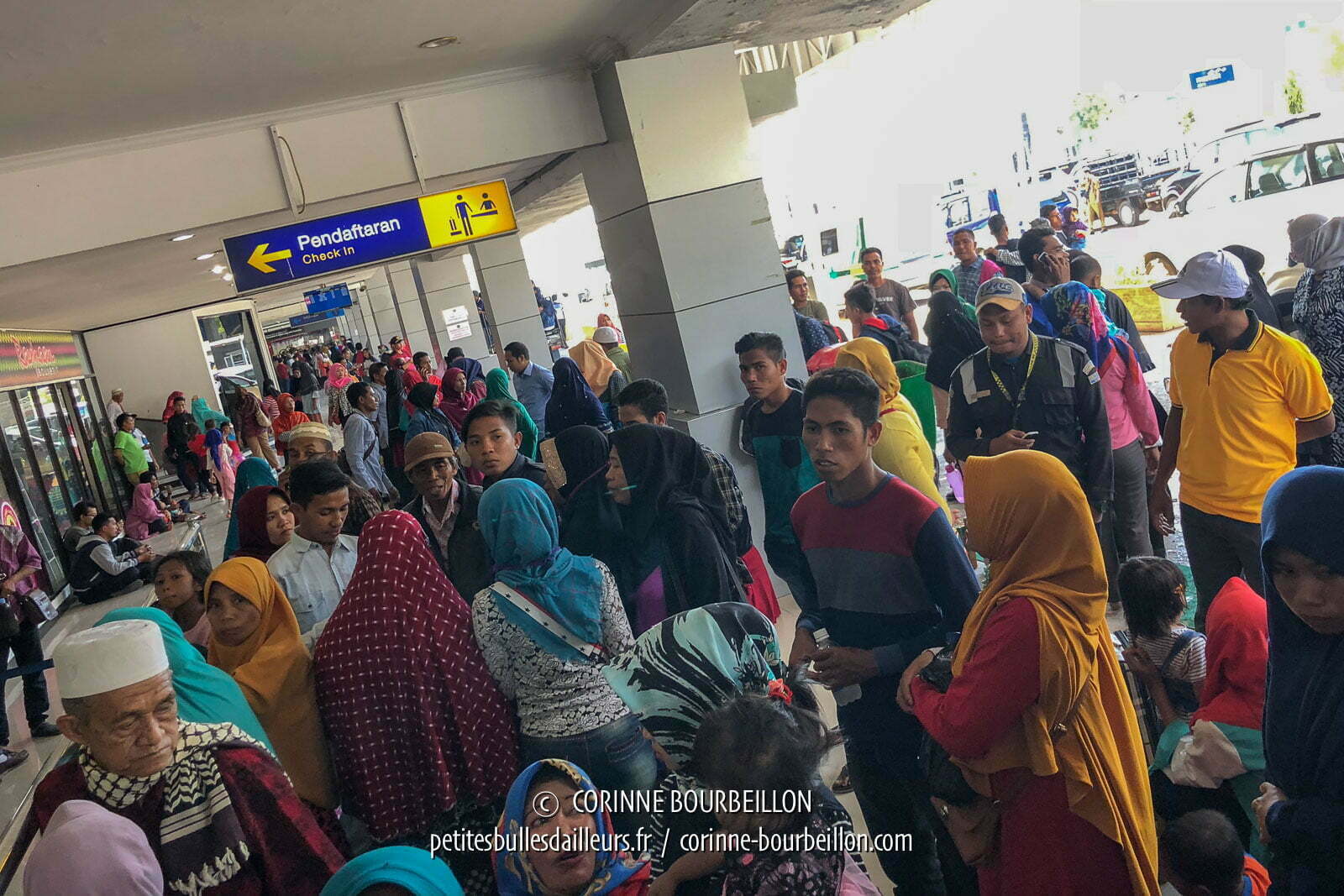
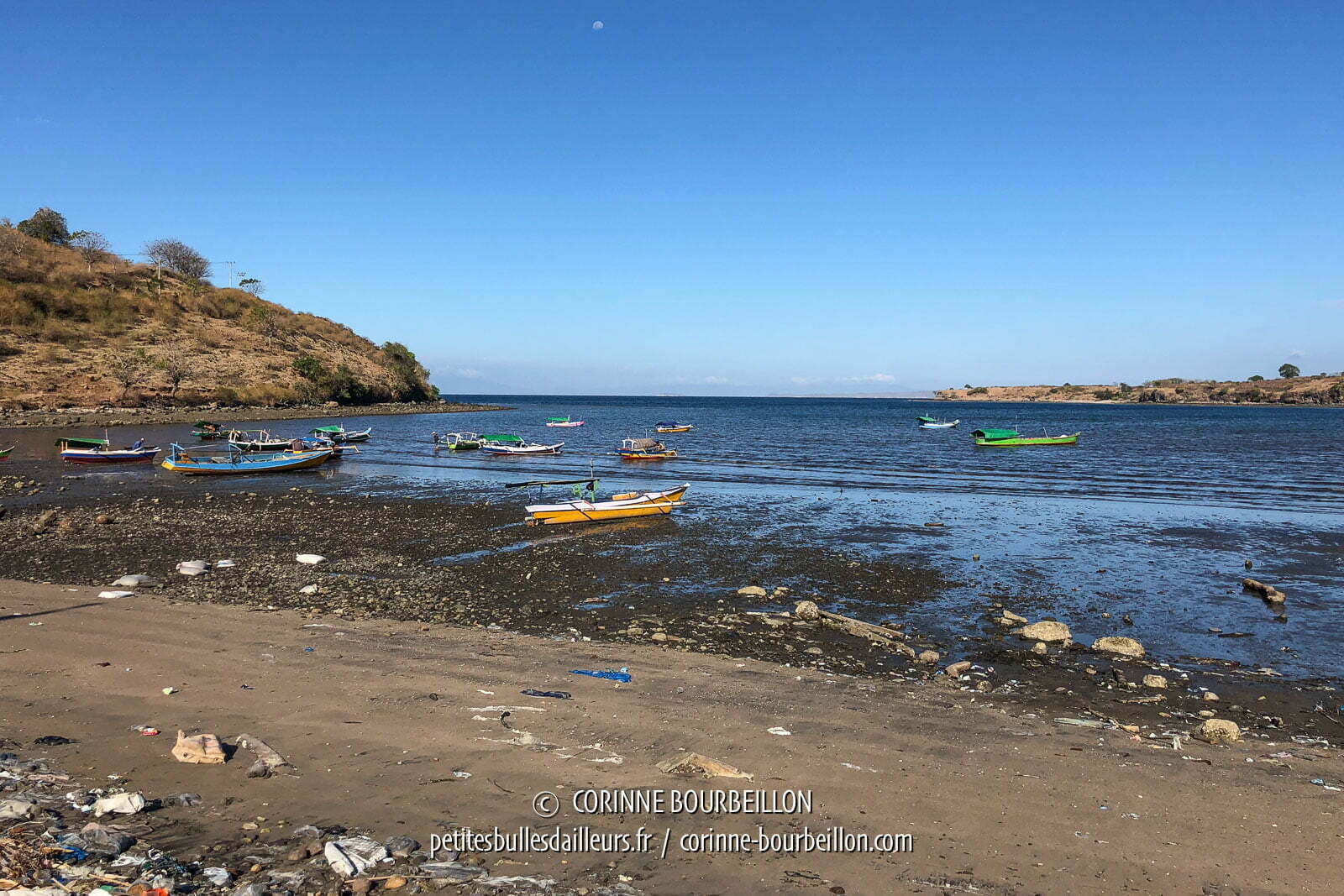


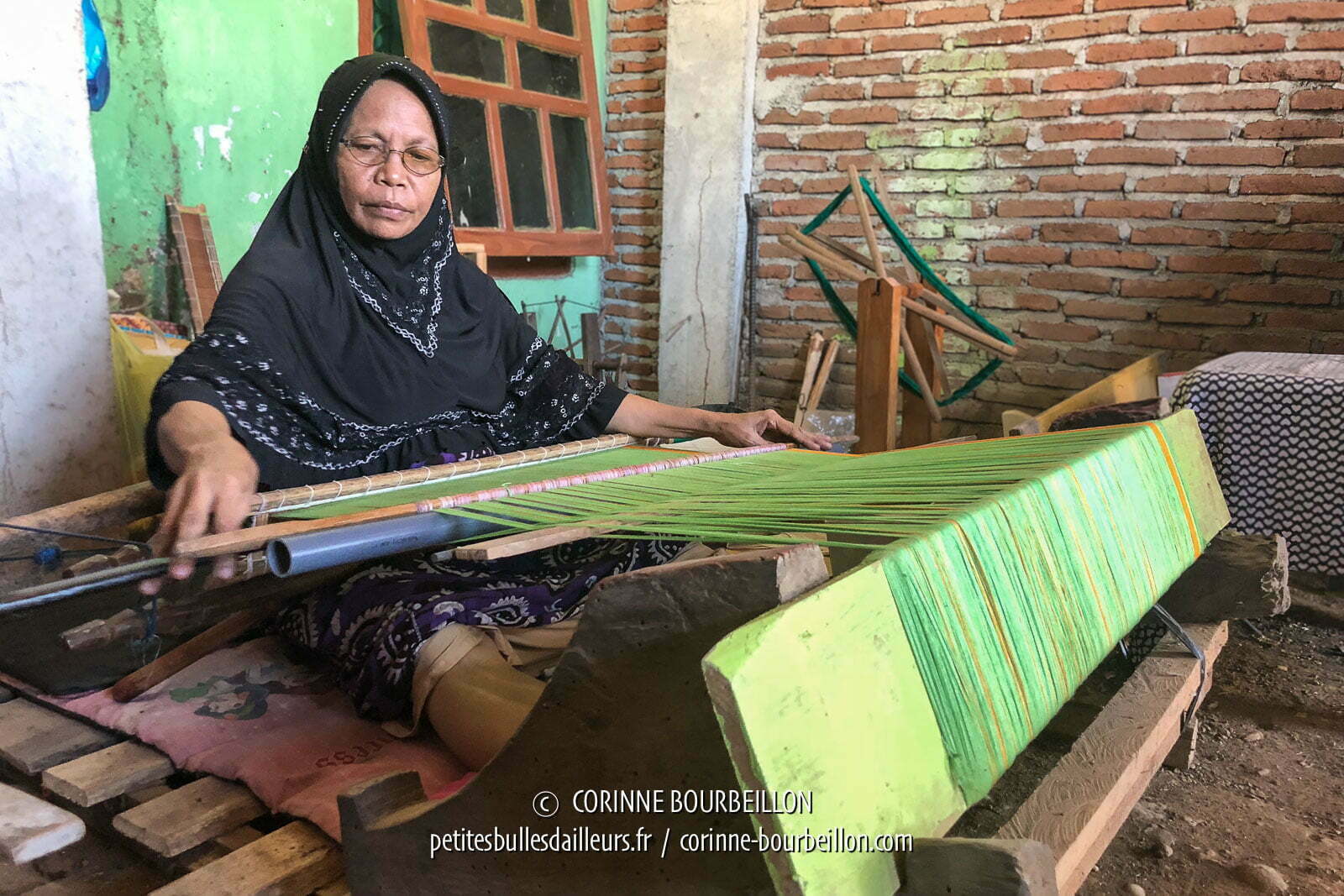
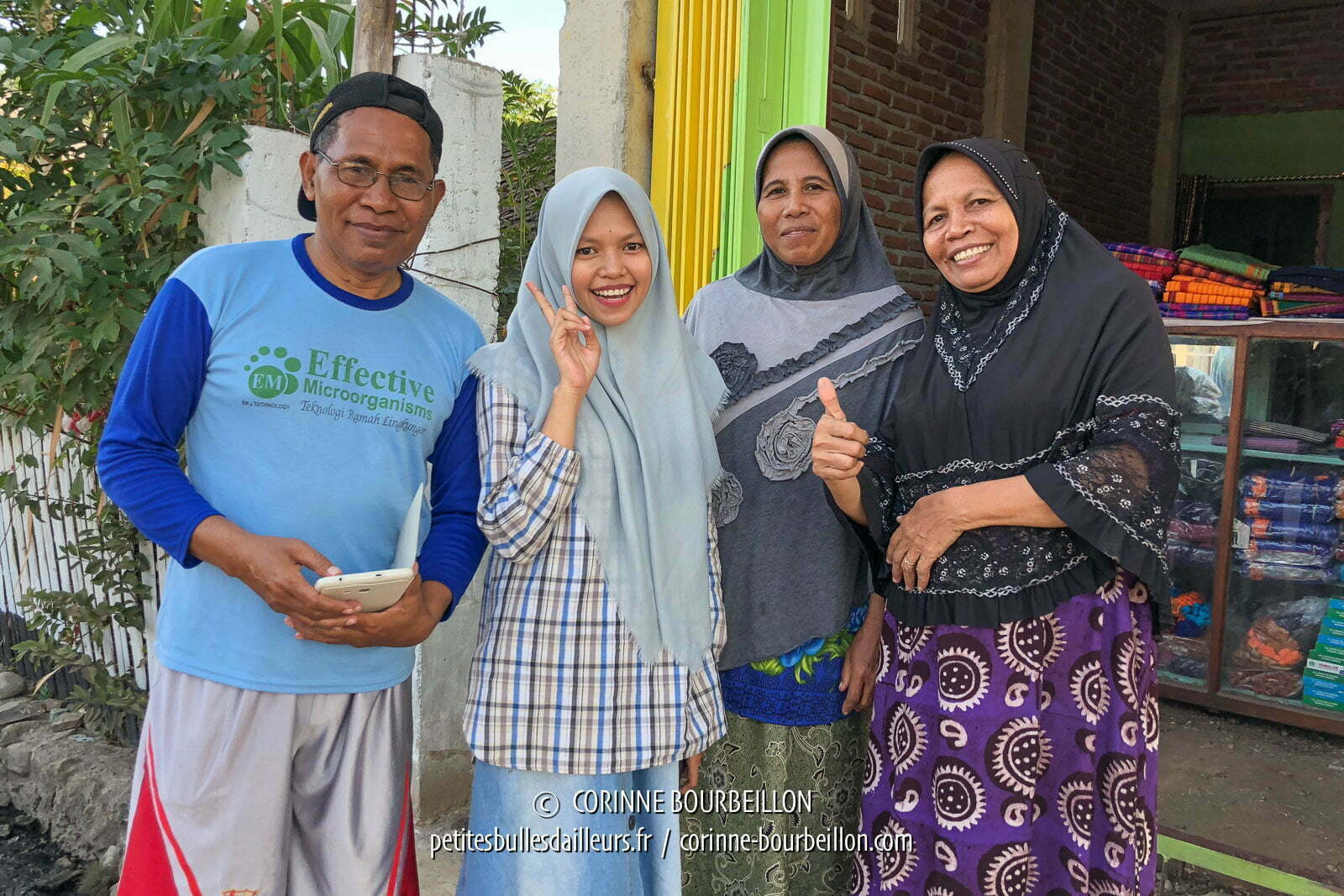
To explore Sumbawa a little bit more, I guess a stay of two weeks to one month is a minimum. For the few I could judge, the roads are far from all in good condition and, except for the surf spots on the west coast, there are not lots of hotel accommodations or tourist services. So you have to stay with the locals and manage to speak a little bit bahasa indonesia...
If I believe the few accounts and testimonies I could find on the internet, most of the rare travelers who take the time to explore the island are delighted with their stay, praising the hospitality and kindness of the people, the authenticity of the encounters and the magnificent landscapes, among which the spectacular and fearsome Tambora volcano.
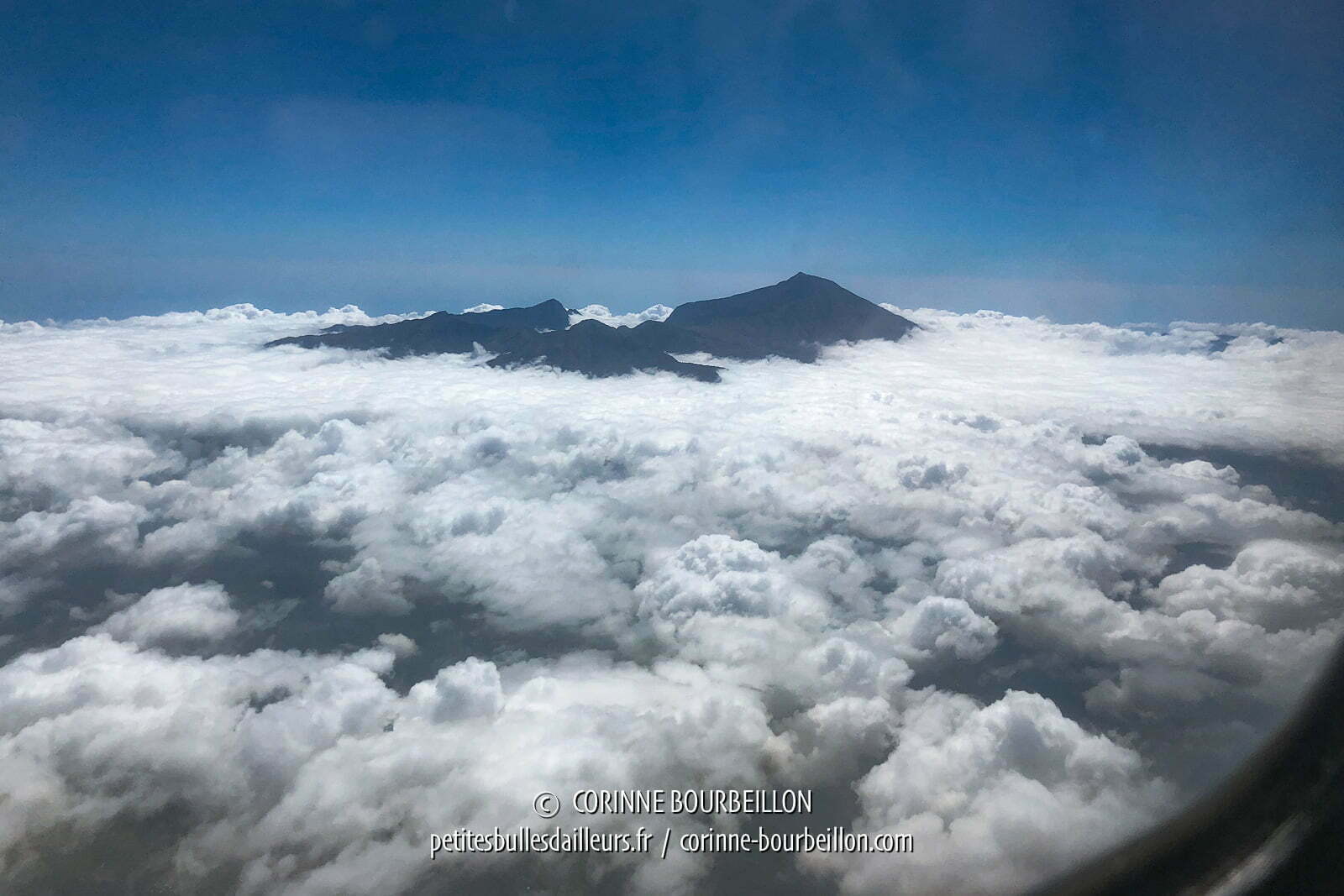
Tambora, the volcano that disrupted the climate. Unknown to tourists, Sumbawa is nevertheless famous for its stratovolcano, the mount Tamborawhich today stands at 2,850 metres. Its eruption of 1815 sent huge amounts of ash and sulphur particles into the stratosphere, with catastrophic effects not only in Asia, but worldwide, causing a global cooling of the climate, which led to the year 1816 being dubbed "the year without summer. For three years, harvests were disastrous everywhere, whether due to frost, drought or torrential rains, leading to famines and migrations in Europe and North America that have marked the history of the 19th century...
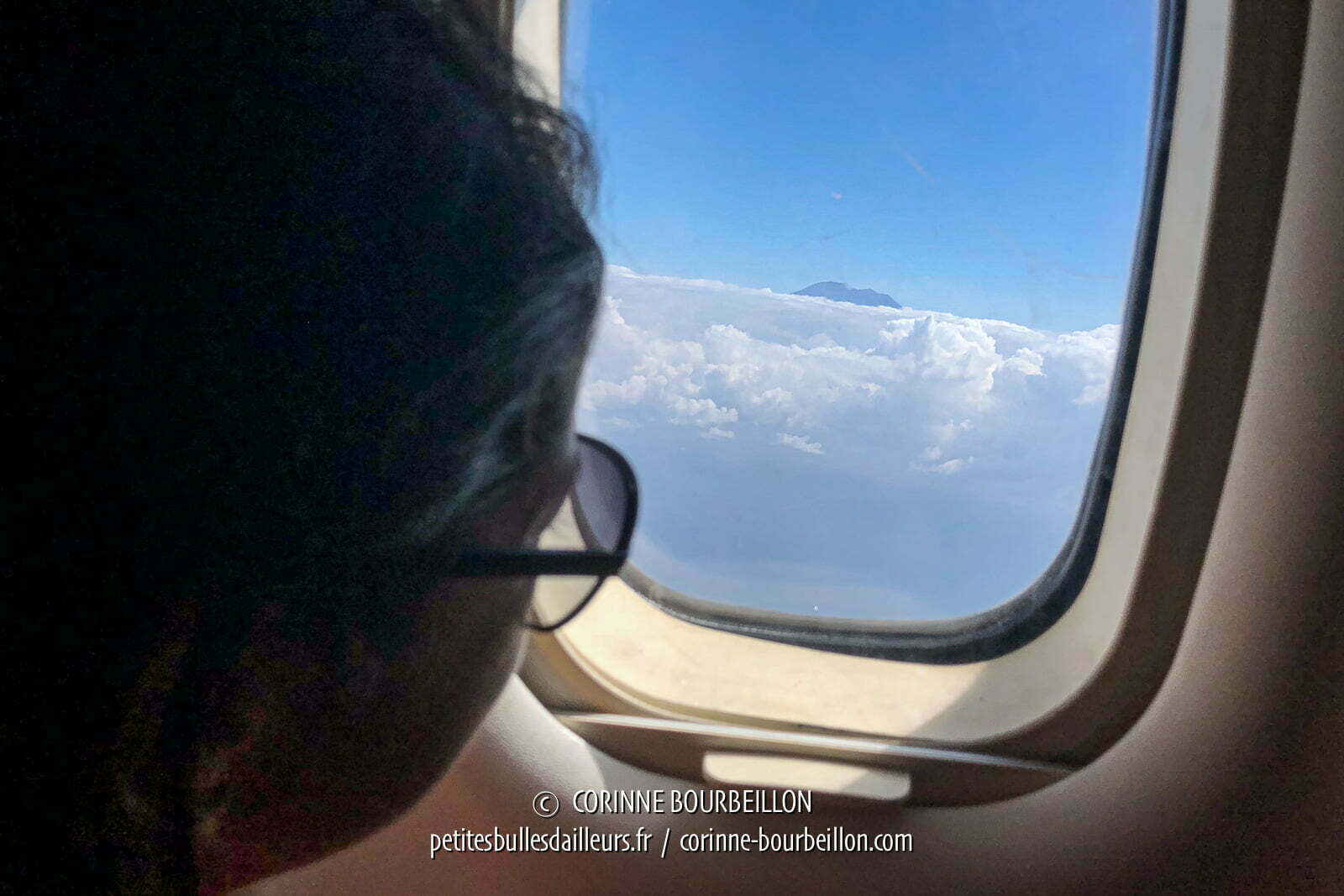
Located on the famous Pacific Ring of FireThe Indonesian archipelago is in fact a huge string of volcanoes! In this summer 2018, it is the Mount Agung, the Bali volcano, which is under surveillance and preoccupying tourists because his recent eruptions have repeatedly disrupted air traffic and grounded aircraft ... Luckily, he stands still the day we take our flight to Bima.
I say "we" because that week I do not know travel solo for once: my buddy during the Tubbataha liveaboard in the Philippines in May 2018 came to join me. We decided to blow bubbles together again in Indonesia! 👌
Diving at the foot of volcanoes
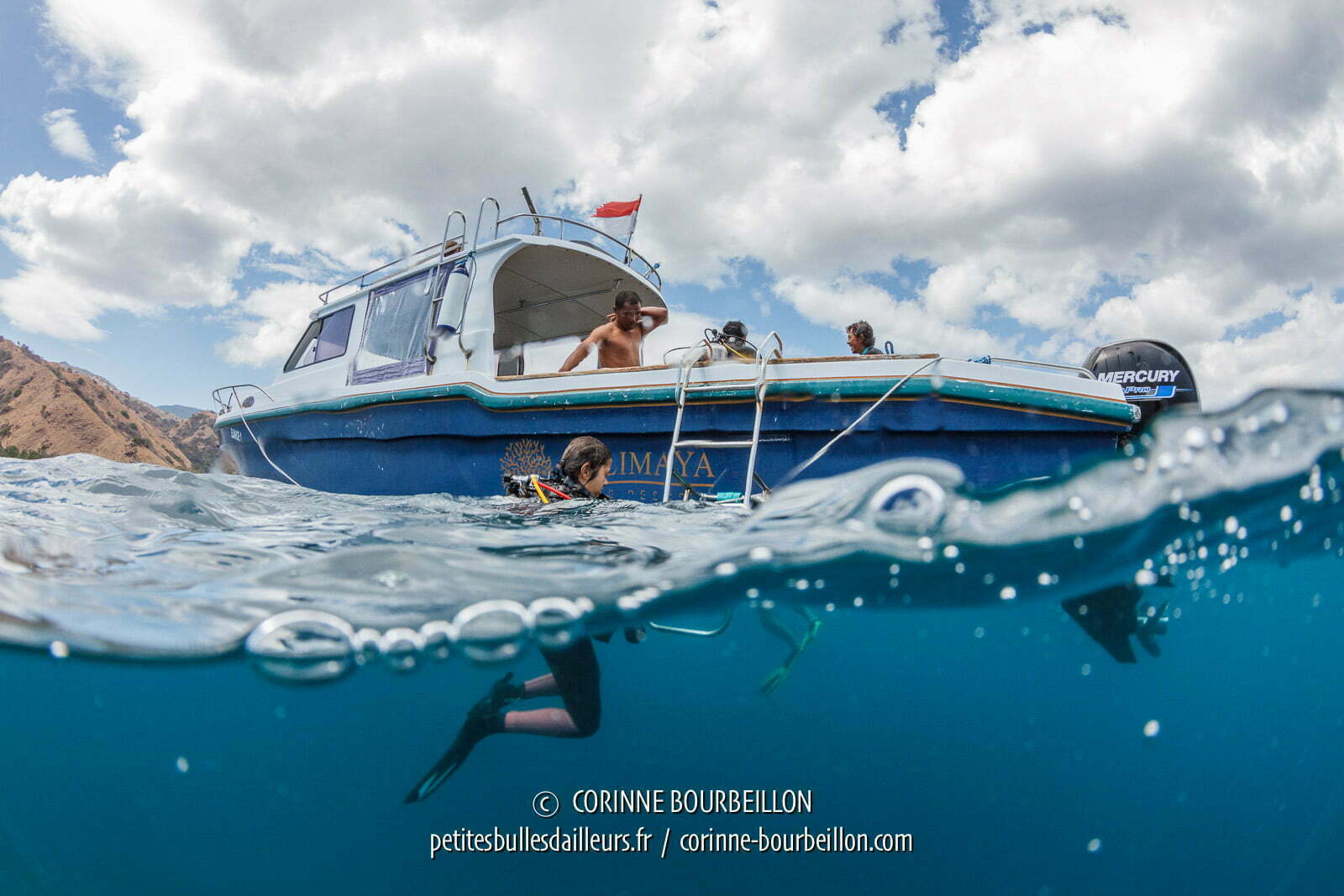
Like Alor Divers and the Sali Bay Resort where I was just before, the Kalimaya Dive Resort is also in a rather isolated place, far from crowds... For divers, its location is particularly strategic.
The resort is indeed close to three very interesting areas, which are otherwise only accessible by liveaboard:
- the east coast of Sumbawa ;
- Sangeang (or Sangean), a spectacular island-volcano (active) further north;
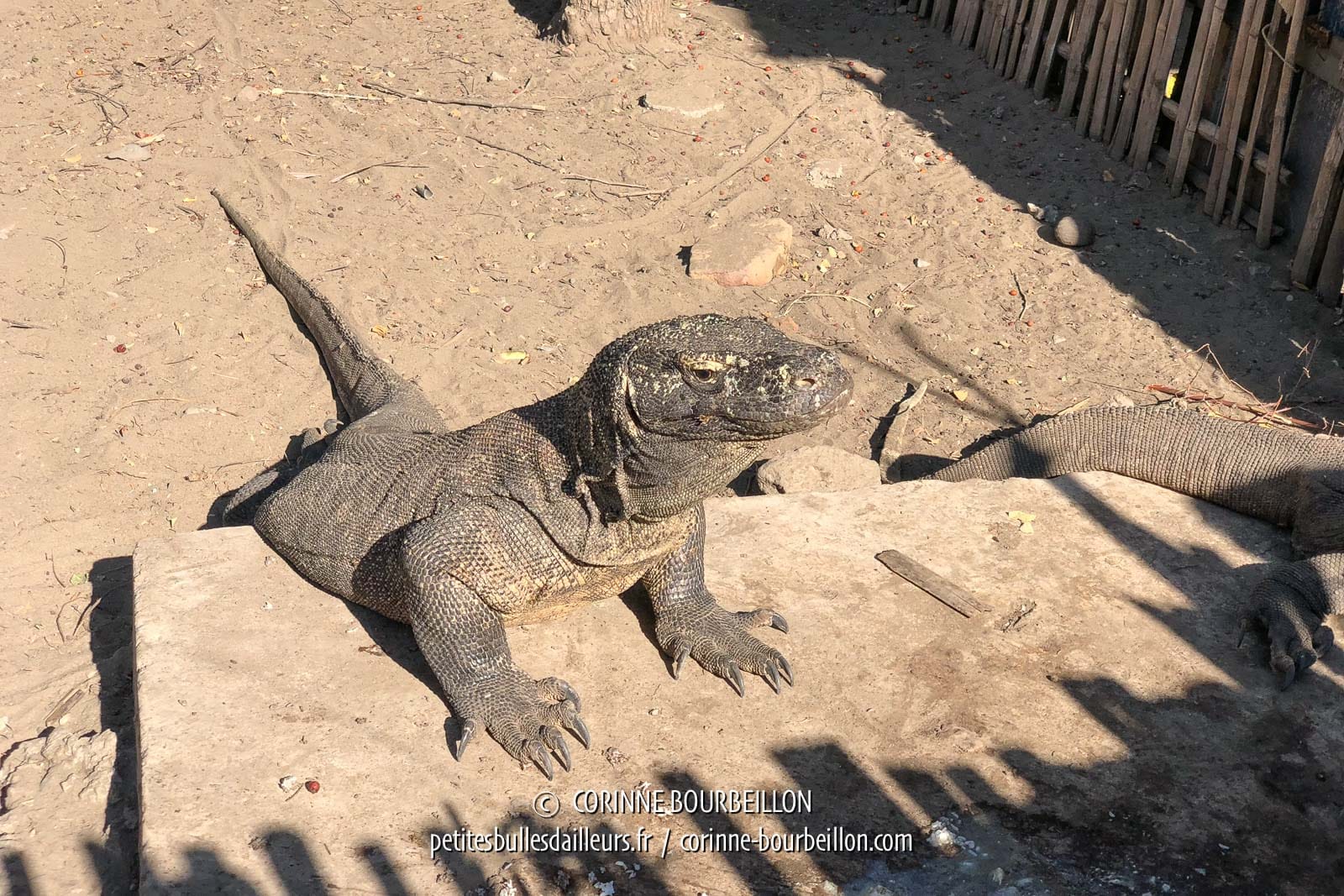
- and the western part of Komodo National Parkwith the island-caldeira of Gili Banta (an ancient, semi-glaciated volcano just outside the park) and the island of Komodo herself (where live the famous Komodo dragonsThese large lizards are unique in the world and can also be seen on the neighboring island of Rinca.)
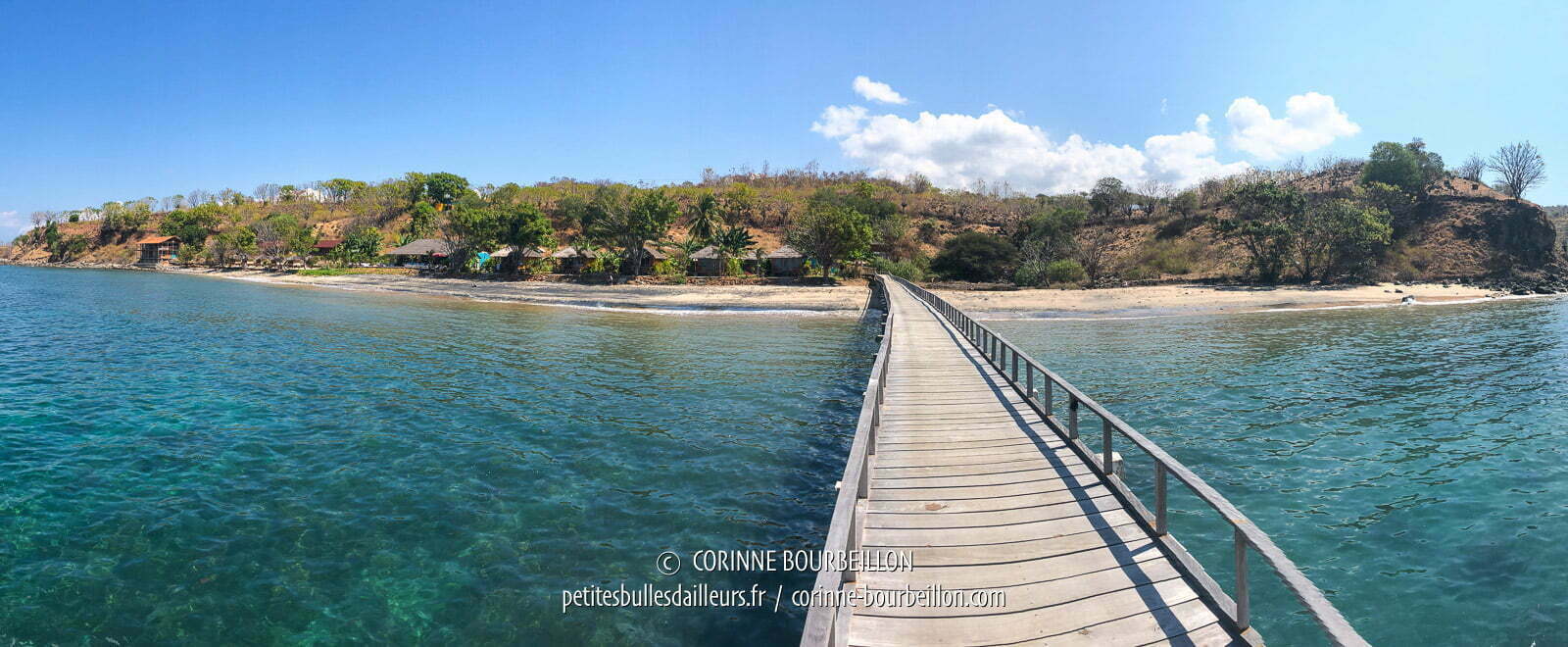
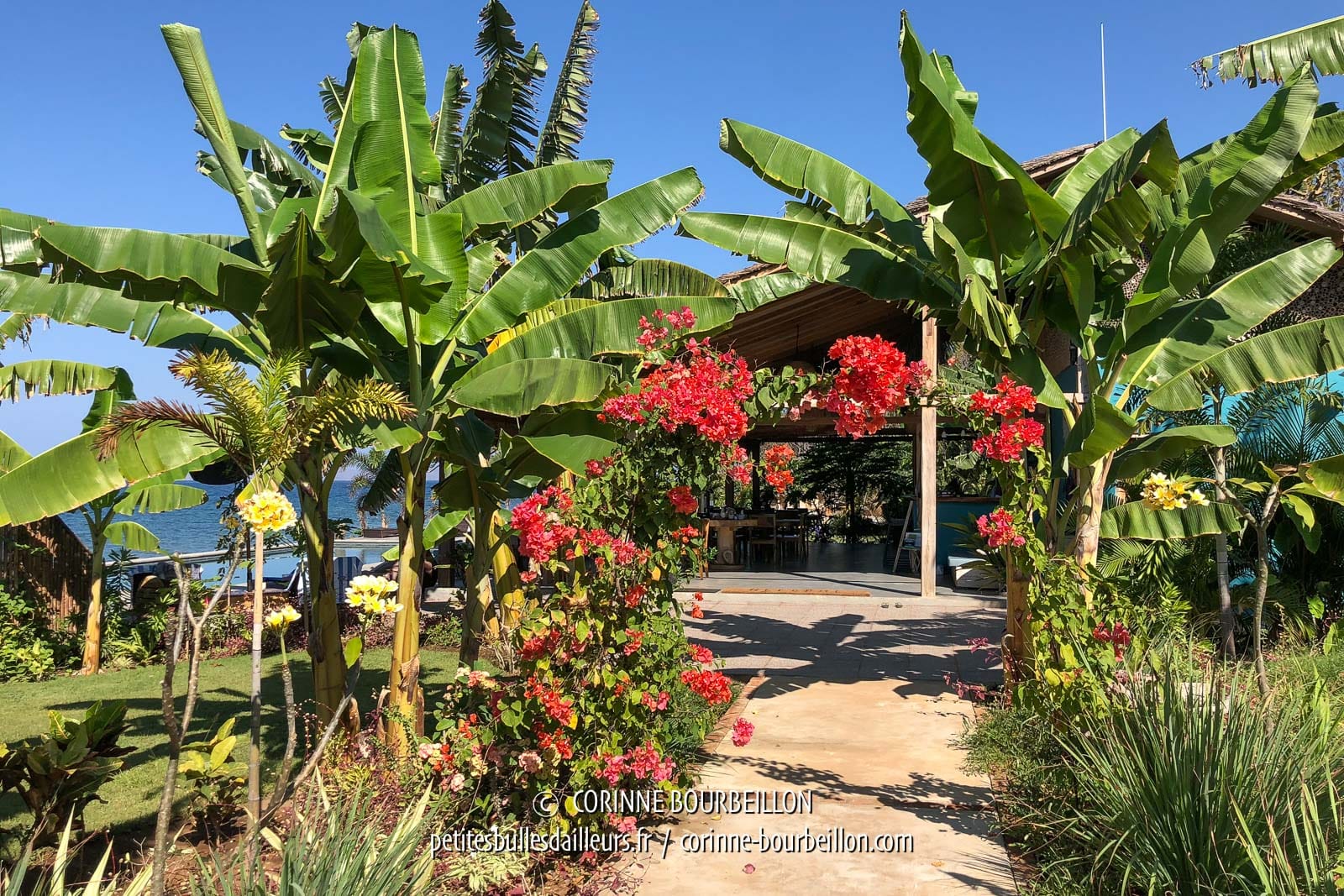
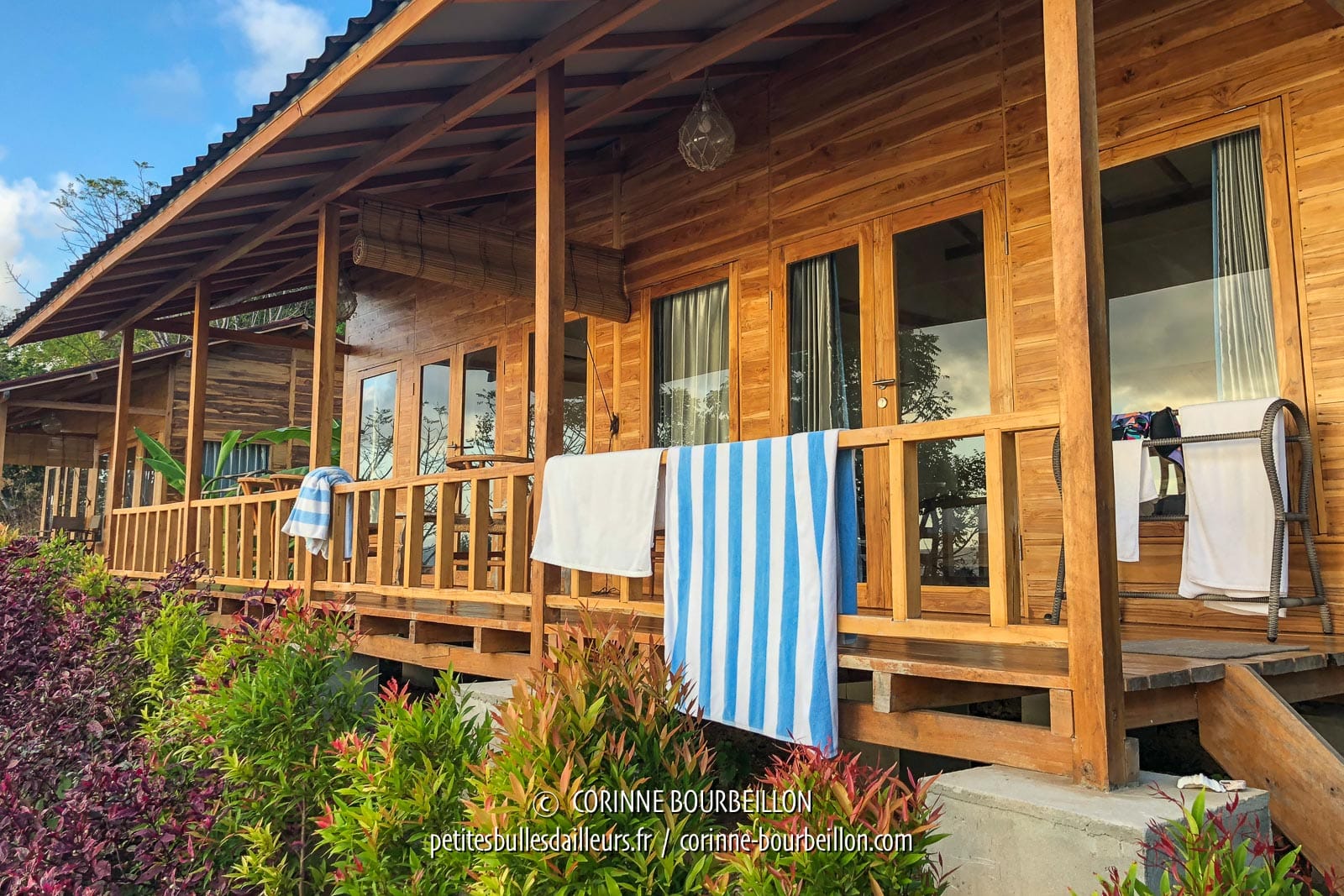
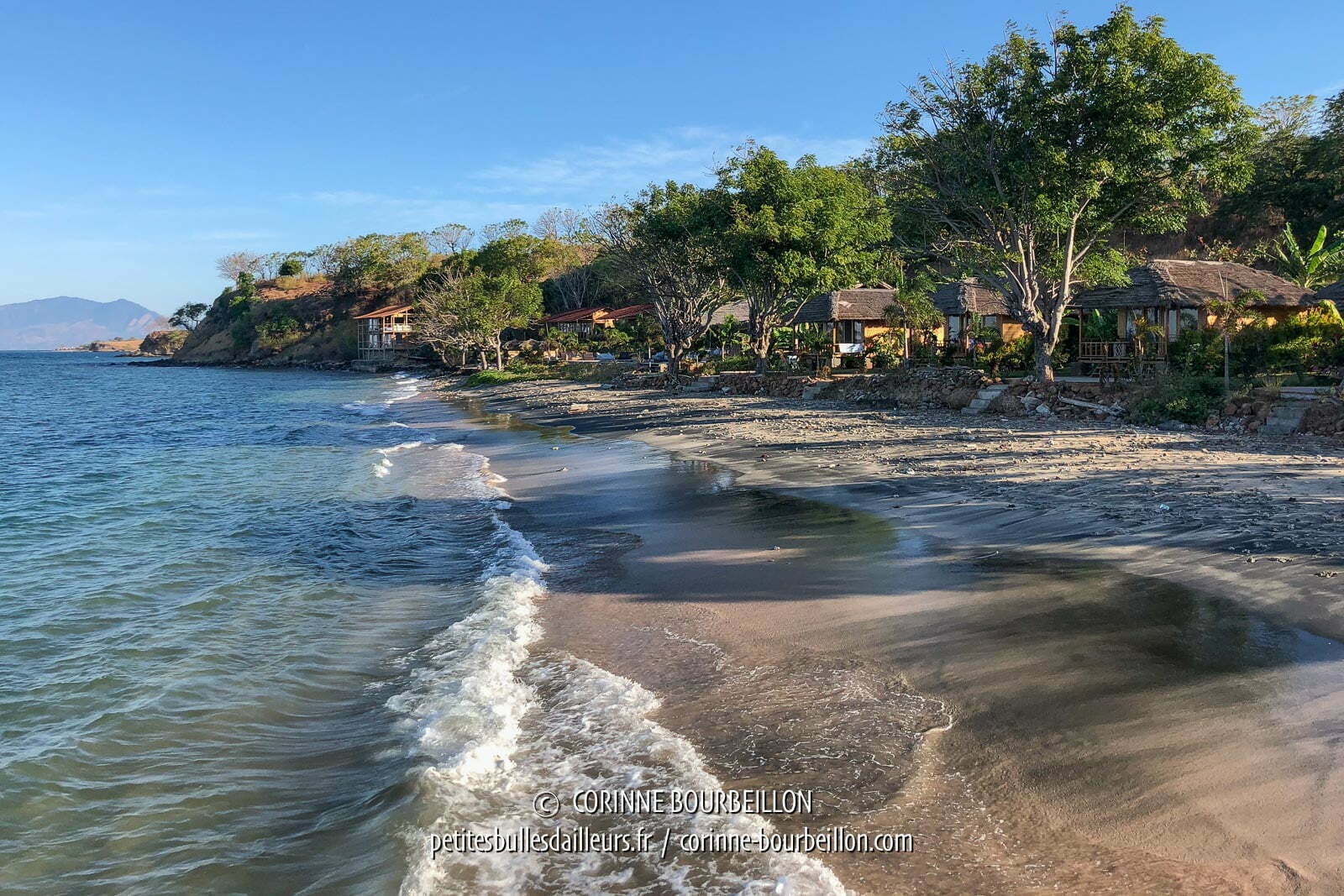
My friend and I are installed like princesses at Kalimaya, in one of the rooms located in the long wooden buildings in the extension of the restaurant and the bungalows. Below, there are also comfortable gazebos, small beach huts high above the sand, for siestas or reading sheltered from the wind and the sun... A real treat. And then I discover with delight, in the building of the diving center, a gigantic Camera Room for my photographic clutter... 😍 👌
Everything is really well thought out and tastefully arranged in this resort. Meals are taken in common around big tables which allows to quickly sympathize with the other divers. We hasten to test the superb swimming pool, in front of the restaurant facing the sea. It will be our favorite spot for the desalination after the dives. We get used to watch from the corner of the eye the plumes of smoke which sometimes escape from the Sangeang, from which we can see the top.
I made some inquiries afterwards about this volcano island. The last major eruption of the Sangeang was in 2014, according to Wikipediaand even disrupted air traffic in Australia! 🌋 😱
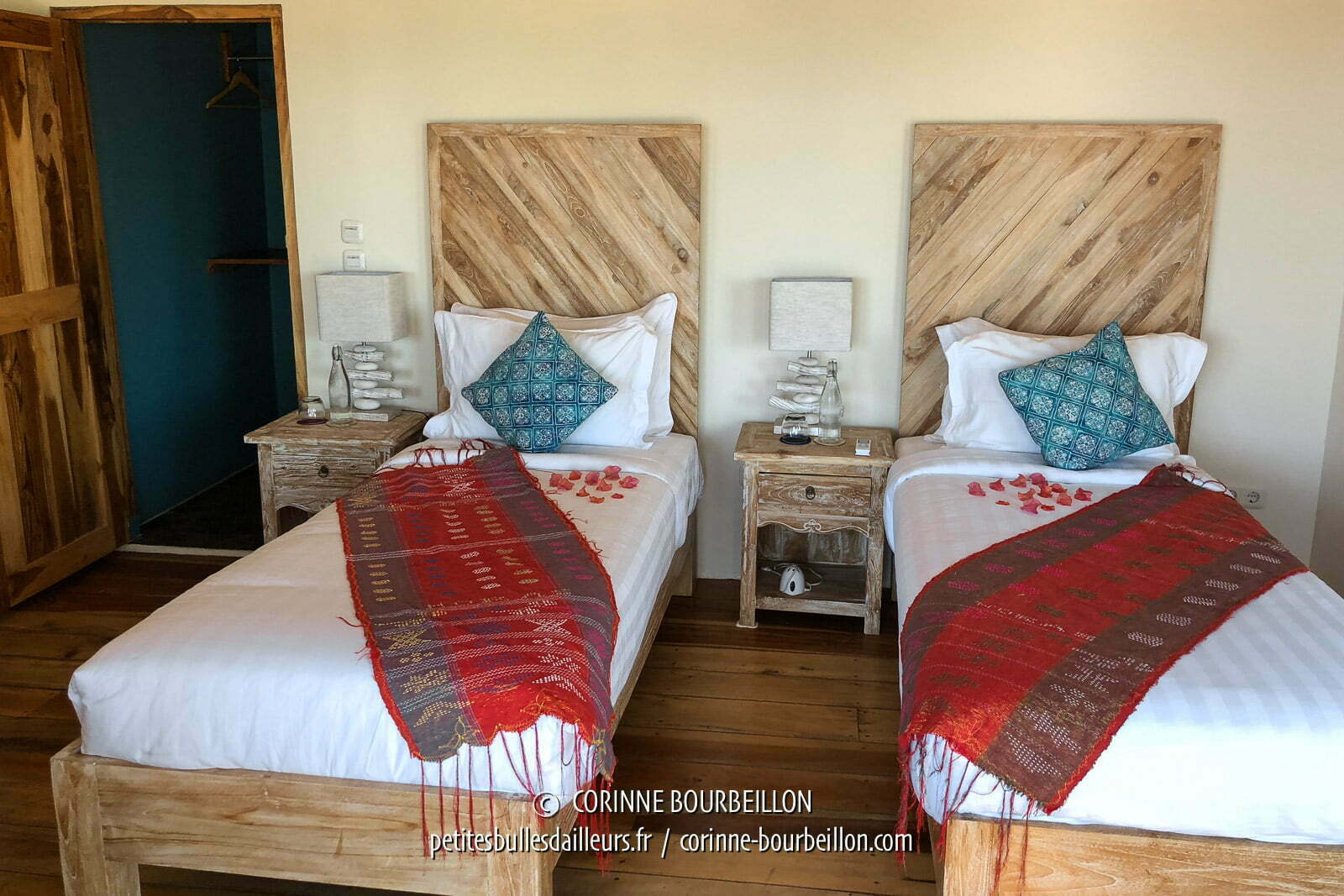
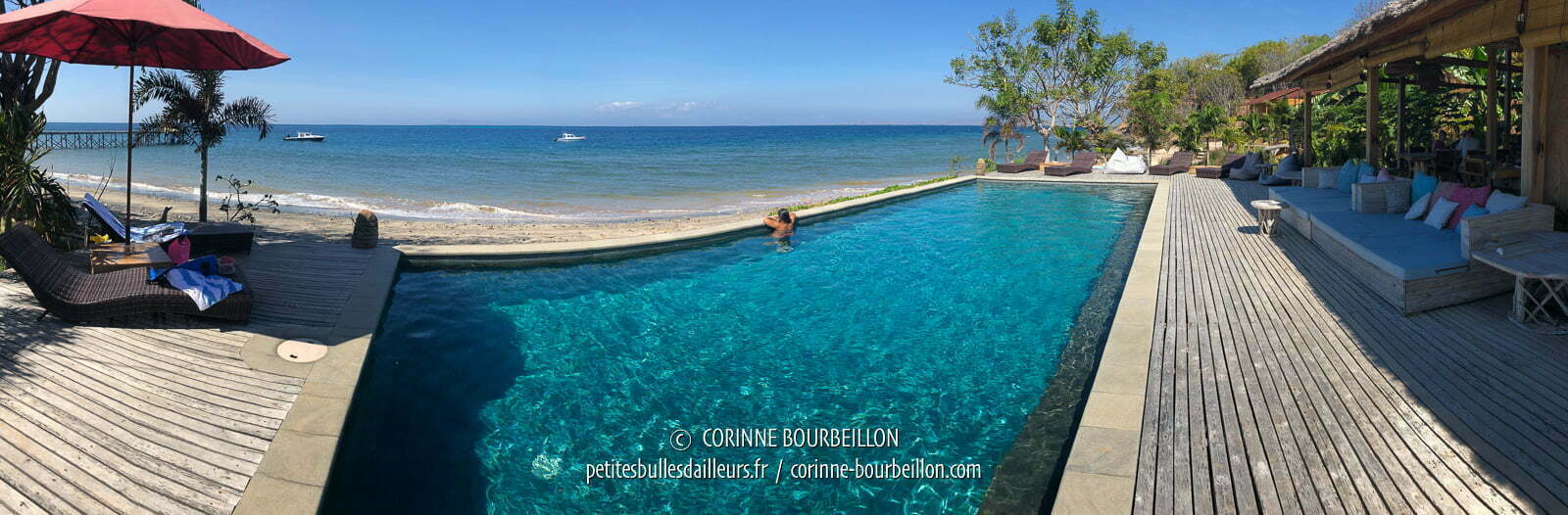
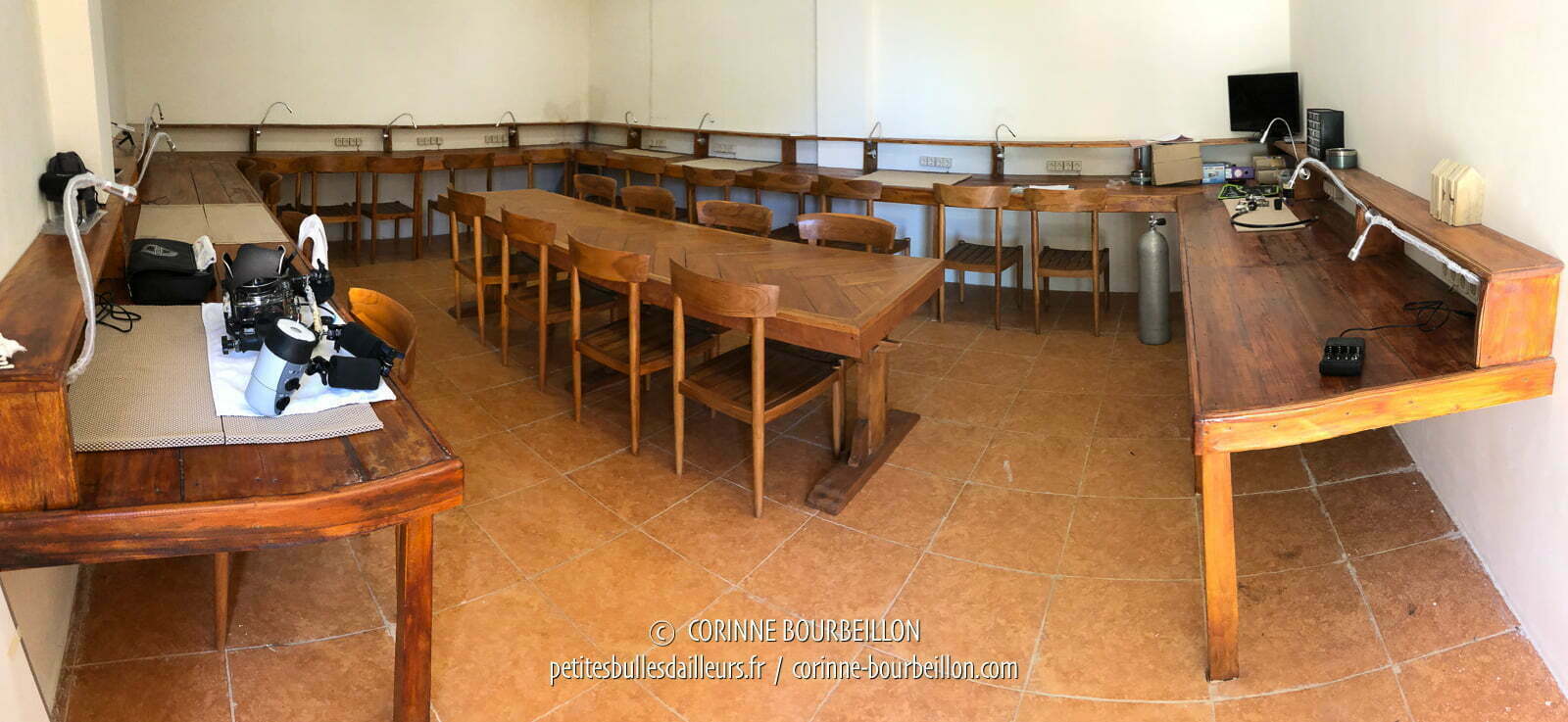
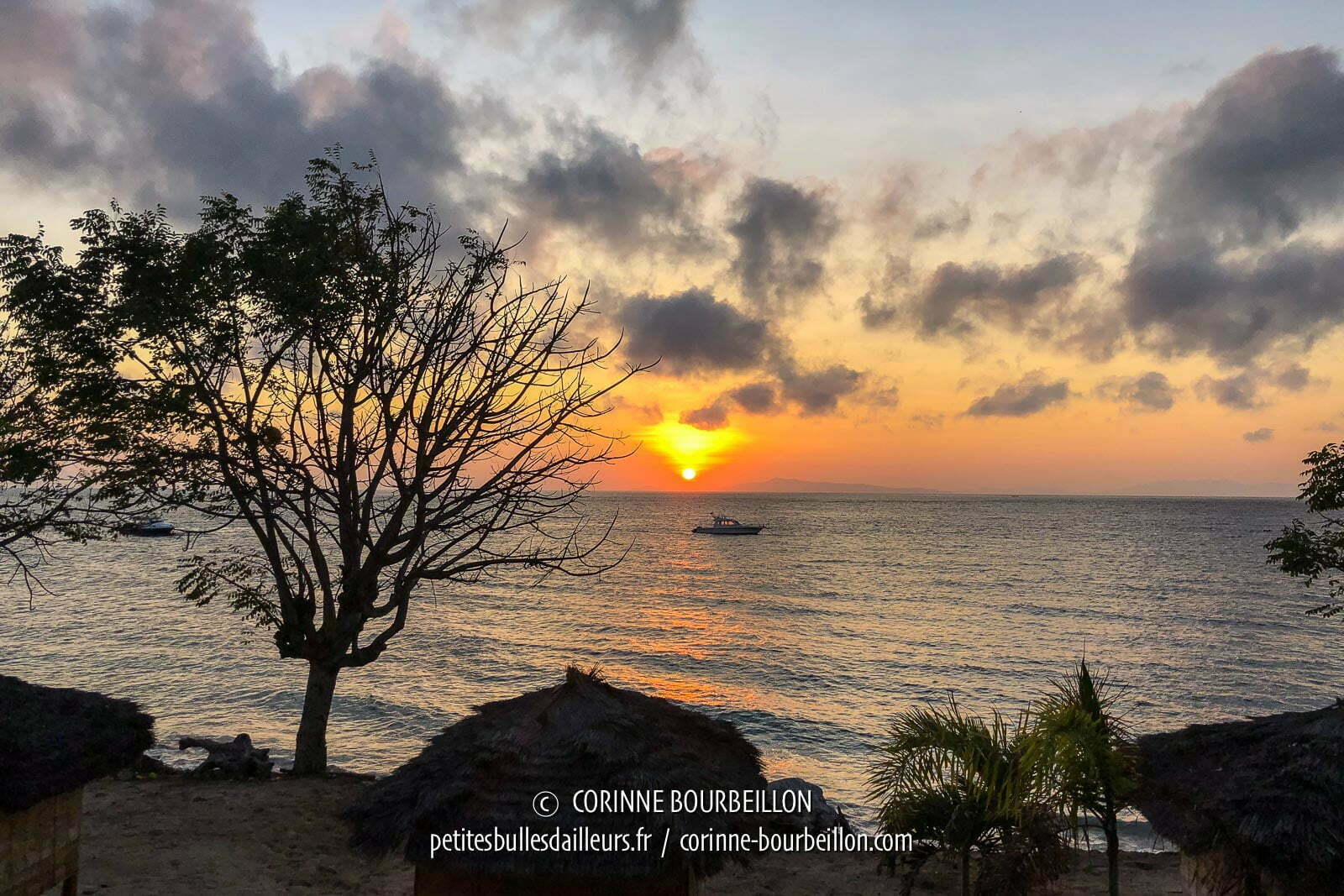
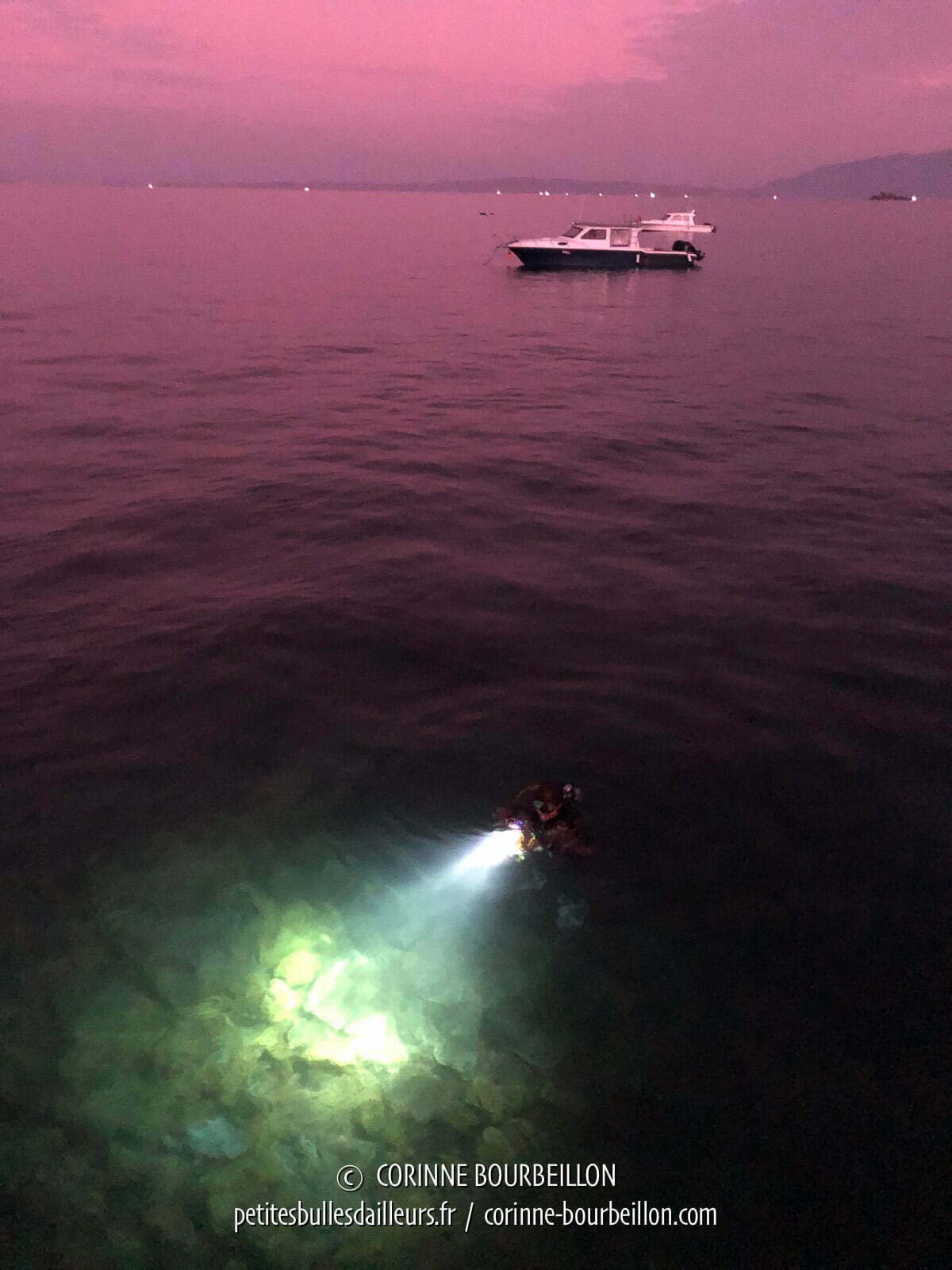
Gili Banta and Komodo West: manta rays and current
Our first dives are awesome. We go straight to Gili Banta, this island which is, in fact, an ancient volcano, a semi-sunken caldera, on the western edge of Komodo National Park.
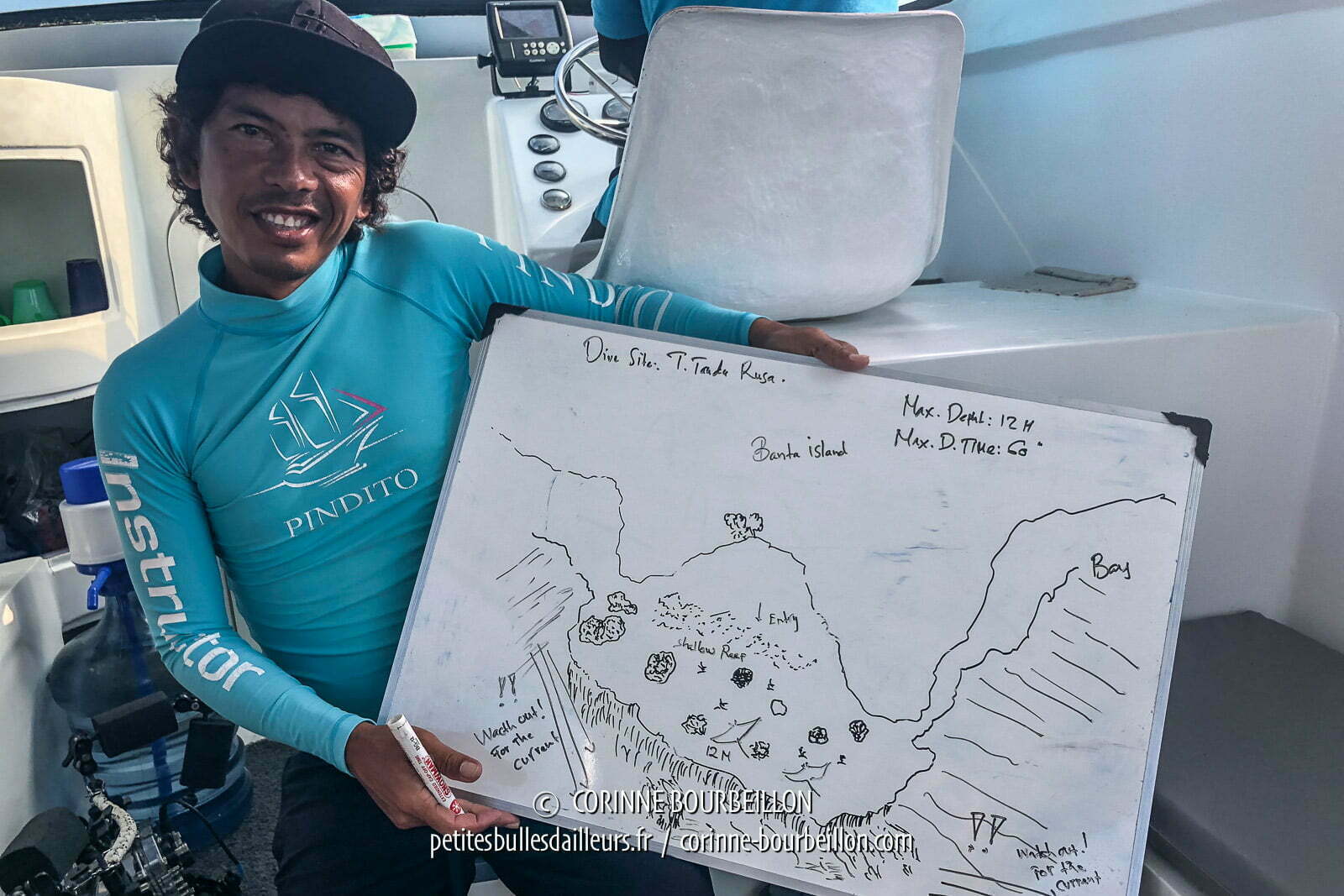
We start with the site of Tanduk Rusa, where we stay on a small shallow underwater promontory, at about 12 meters under the surface, protected from the furious currents around. This spot is a "cleaning station", where the beautiful and harmless manta rays come to "hover" above the coral spuds, in order to get rid of their parasites and dead skin by small fish, the cleaner wrasses.
I'm thrilled for my buddy: the graceful giants won't be long in coming, as promised (or almost) at the briefing!!!! 😲 For her first dives in Indonesia, this sets the tone...
I let you discover this on video:
As the days go by, we discover, in the waters of Gili Banta and West Komodo, some magnificent sites. But often the program of the day is modified during the trip, according to the evolution of the conditions and the currents. Here too, the overpowering Indonesian Throughflow or ITF (this gigantic marine flow between the Pacific and the Indian Ocean that I mentioned in the previous post) makes the law.
When the site initially chosen is impractical, we then fall back on a neighbor spot more protected. Our guides are extremely vigilant to our safety. We are here to have fun, not to be afraid!
I have already done two dive cruises in Komodo (in 2016 and in 2011), I am delighted to explore new sites, by going diving from Sumbawa. This western part of the marine park is not always on the classical cruises' itineraries, which, for most of them, go through the waters on the eastern side, between Komodo and Rinca, where many famous spots are concentrated.
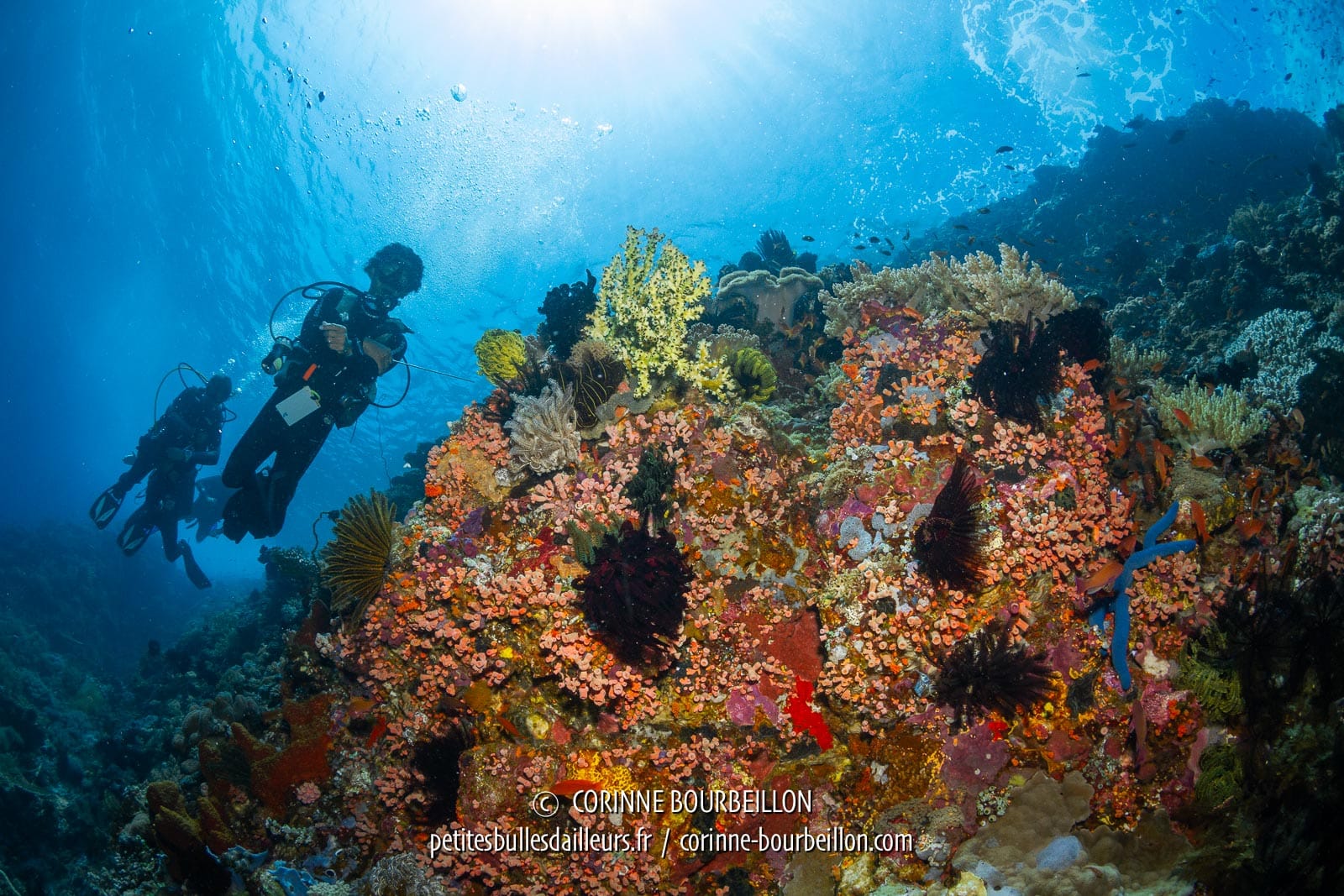
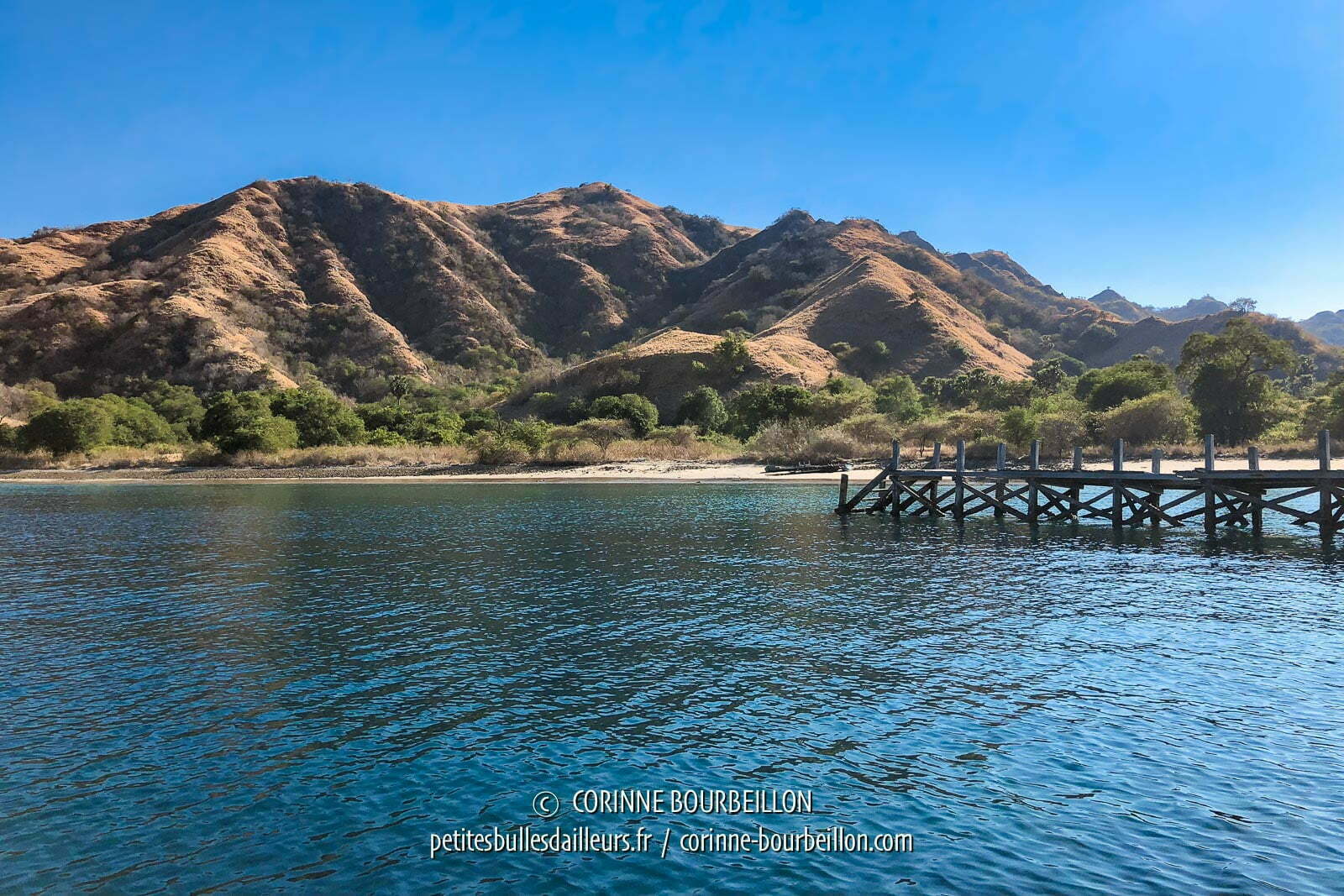
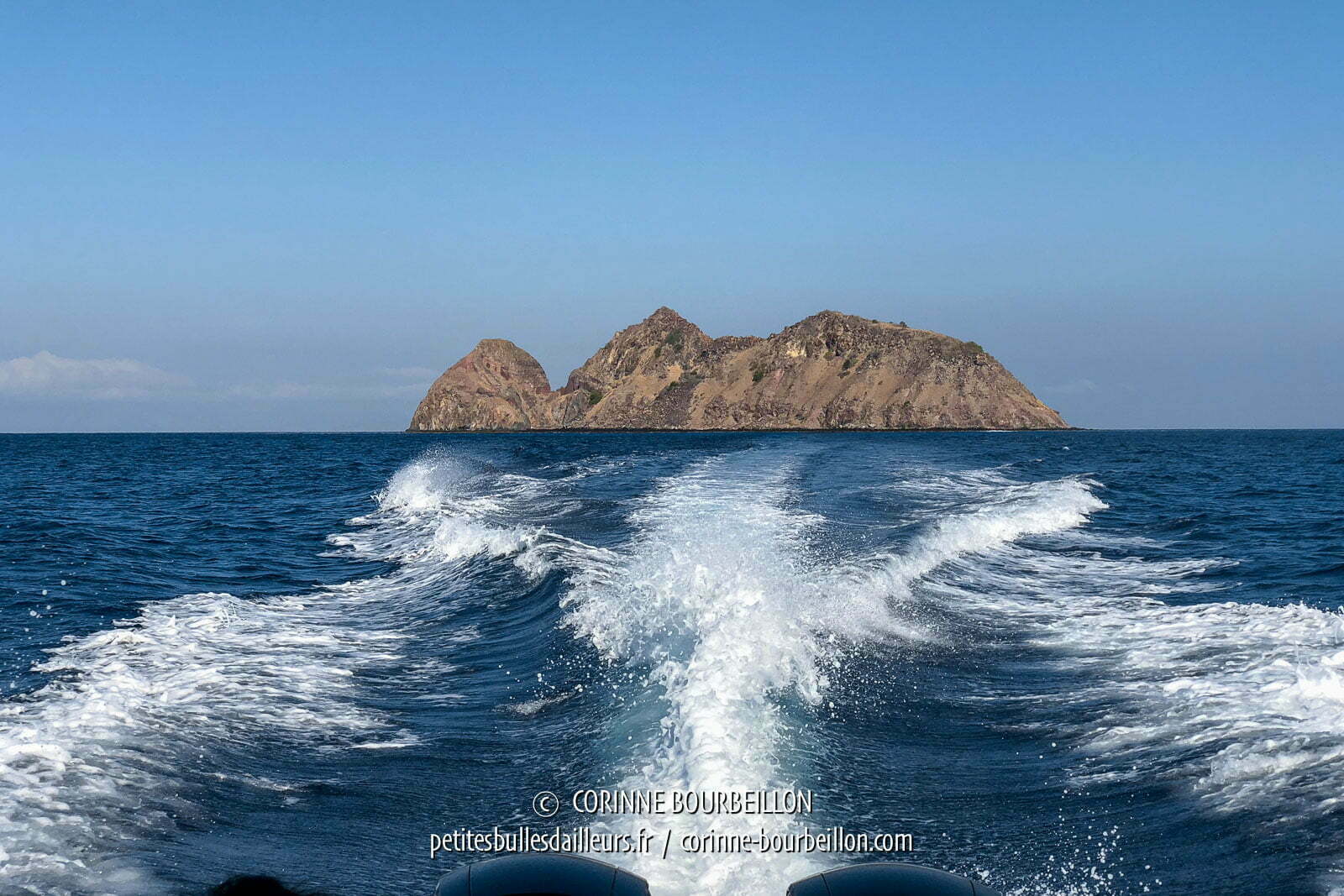
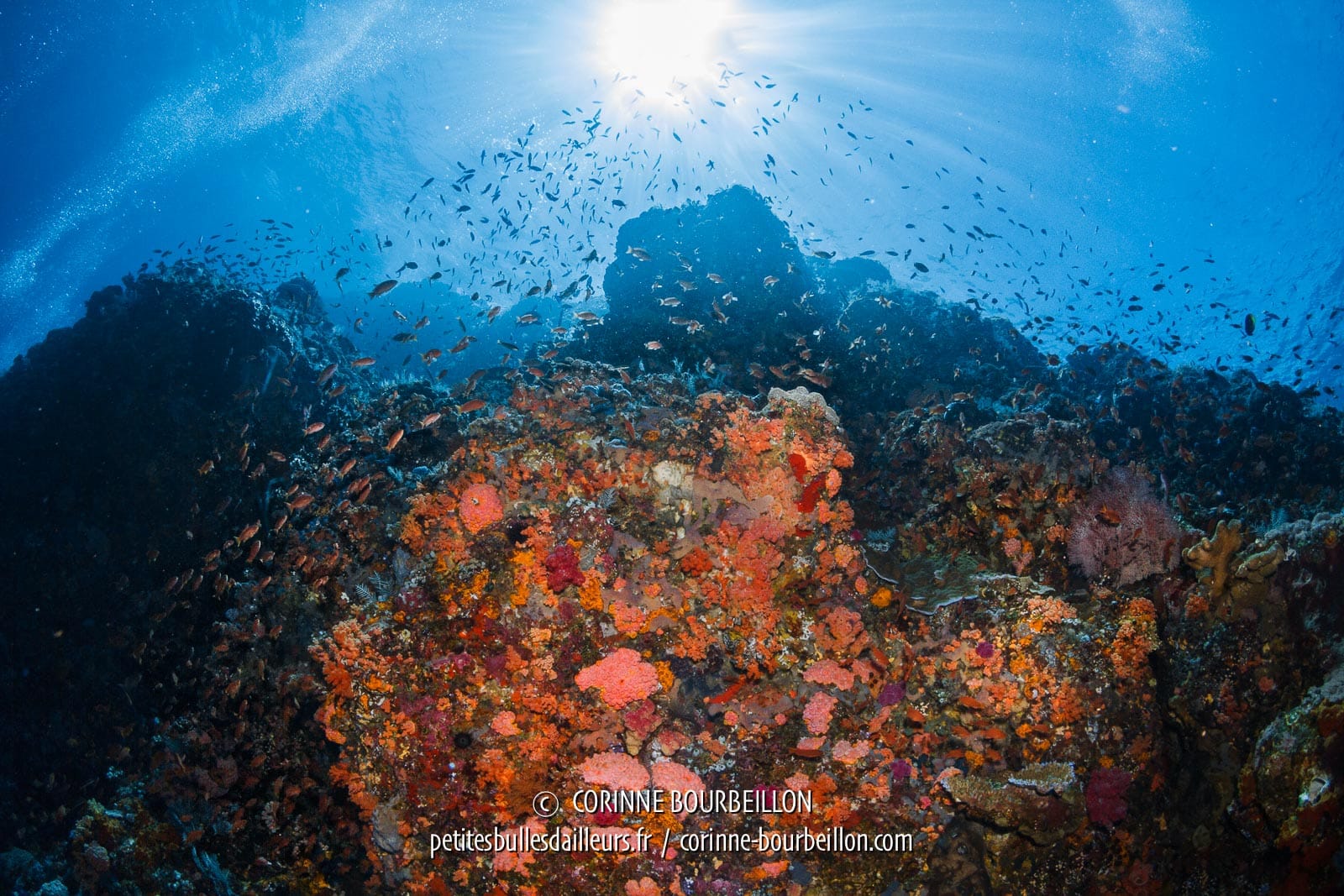
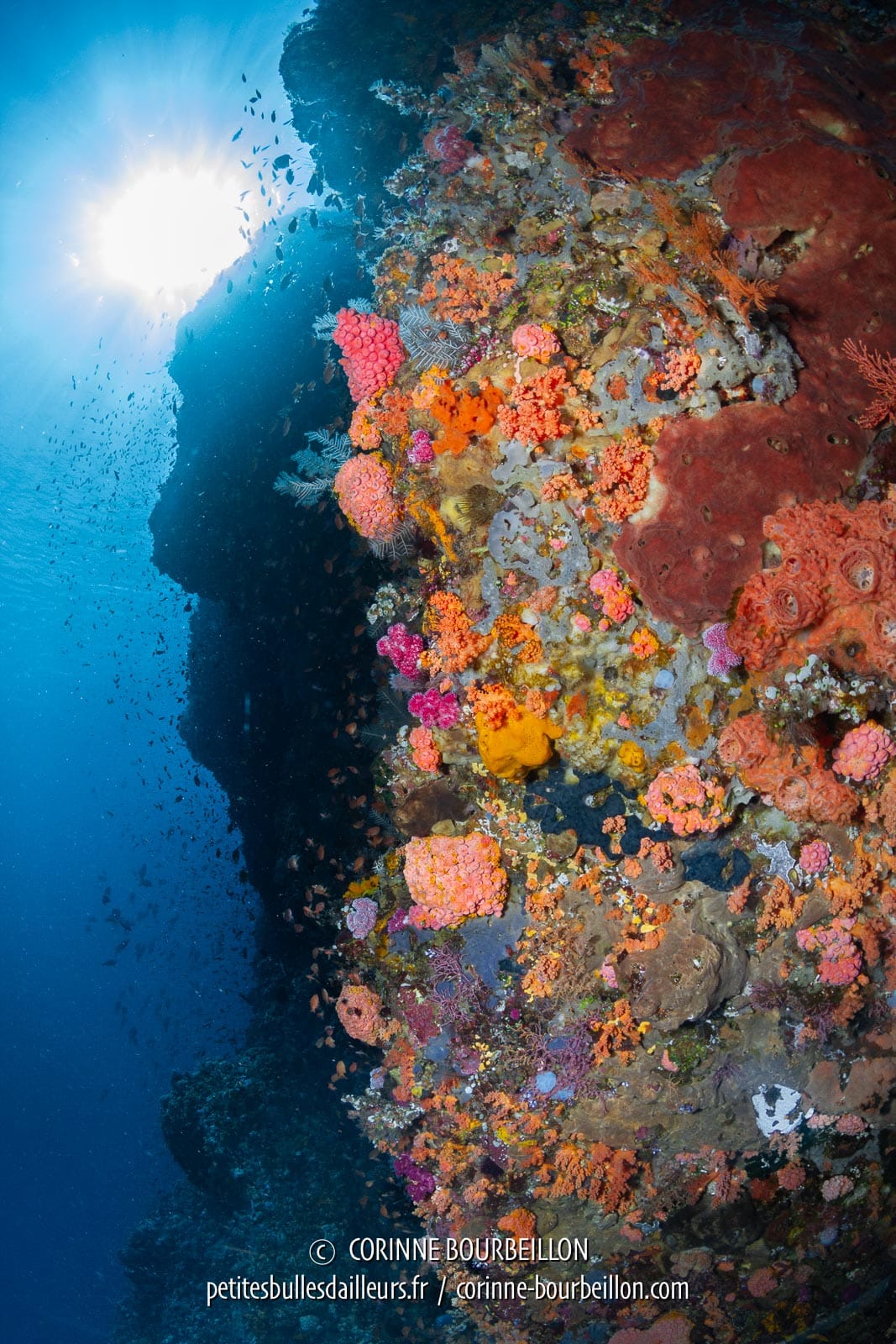
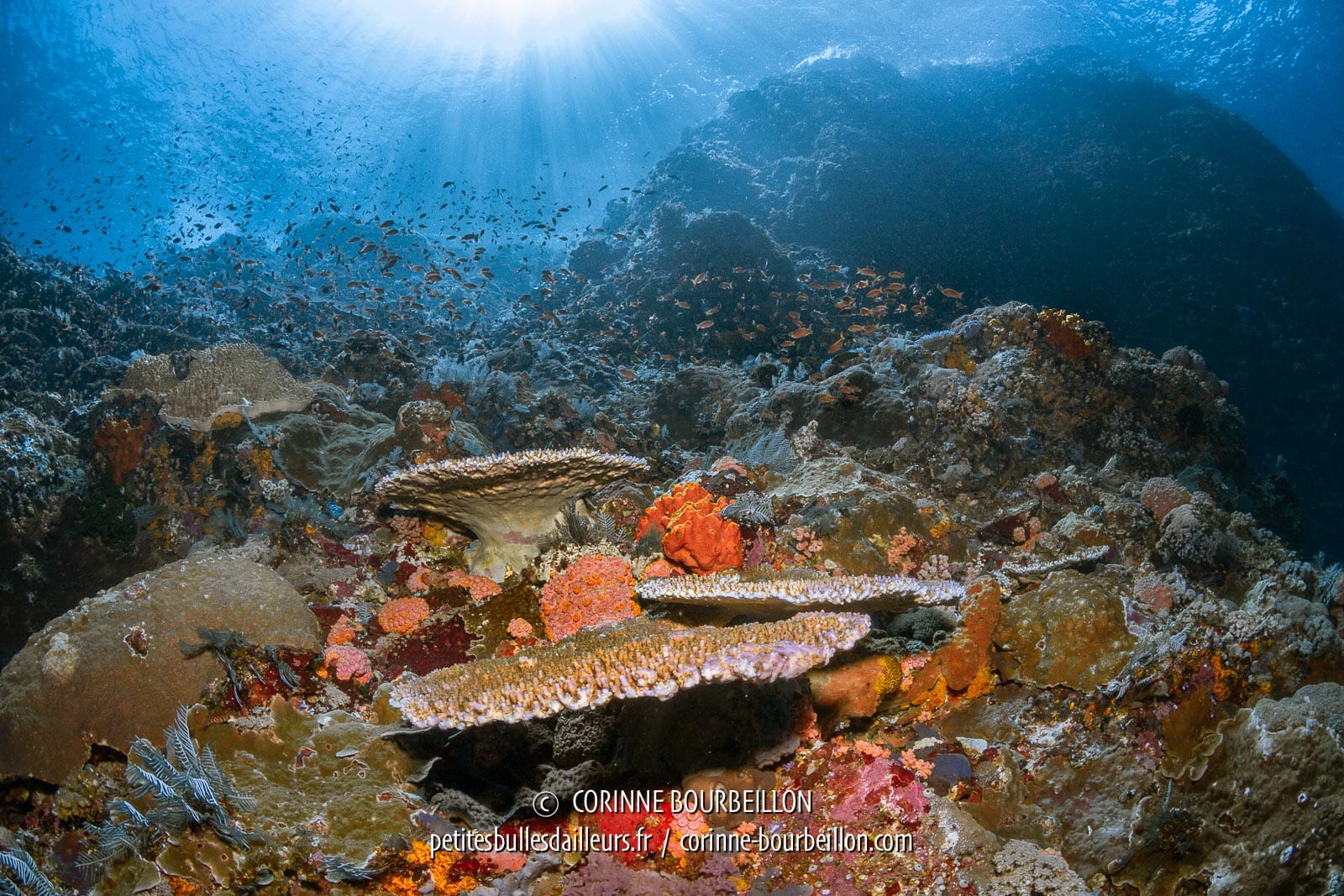
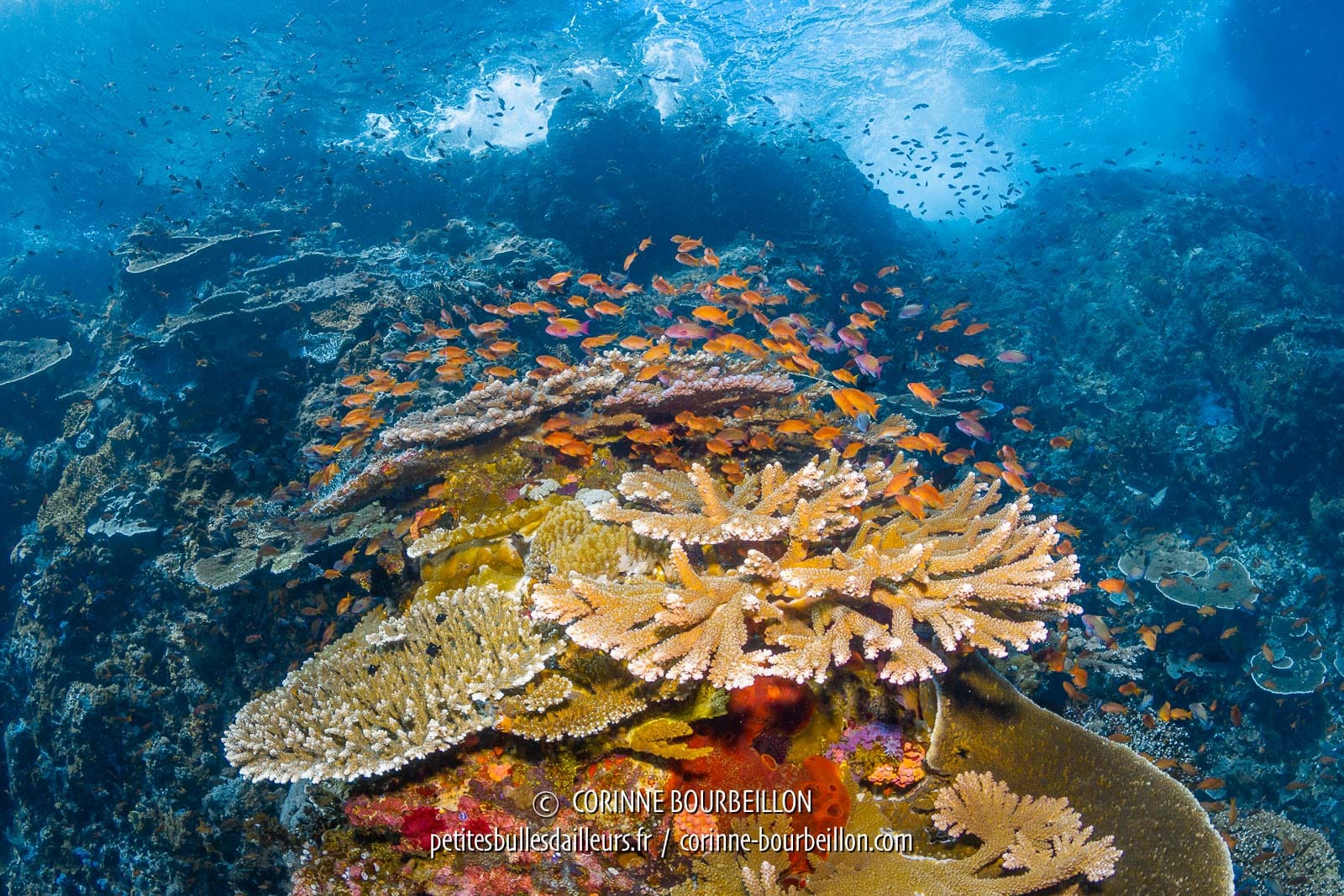
In addition to Gili Banta, where we saw the mantas, and which offers many other sites, one of those that impressed me the most was Buffalo Wall (Dinding Kerbau)This is a small island off the coast of Komodo, south of Gili Banta, at the foot of an isolated rocky islet in the middle of the sea.
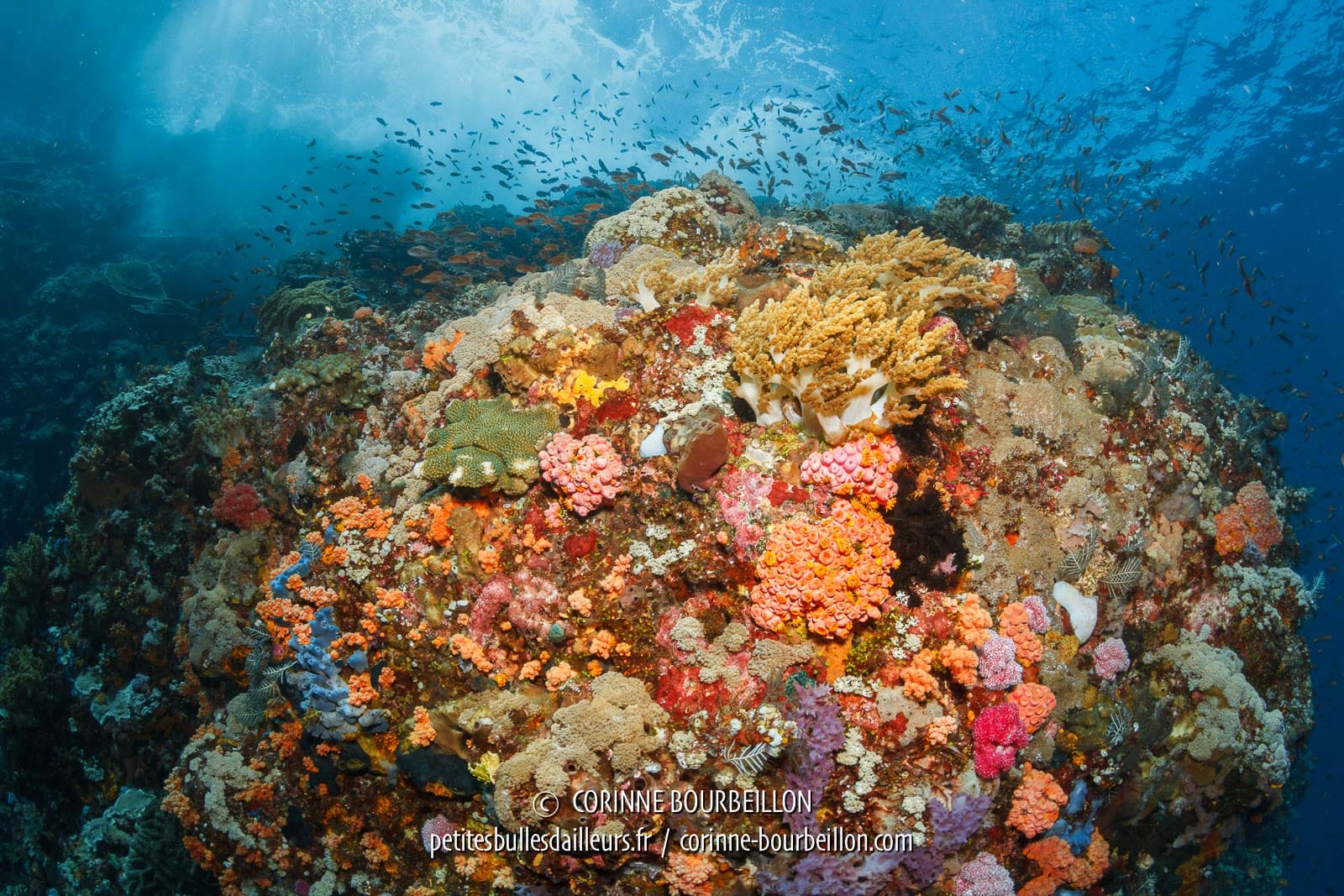
Underwater, magnificent walls covered with brightly colored corals, with a mixture of ascending and descending currents that are a bit surprising. It is only once you are there that you can evaluate if it is possible to dive there or not, even if it means postponing the dive to another day, depending on the conditions...
Sangeang: small treasures on volcanic black sand
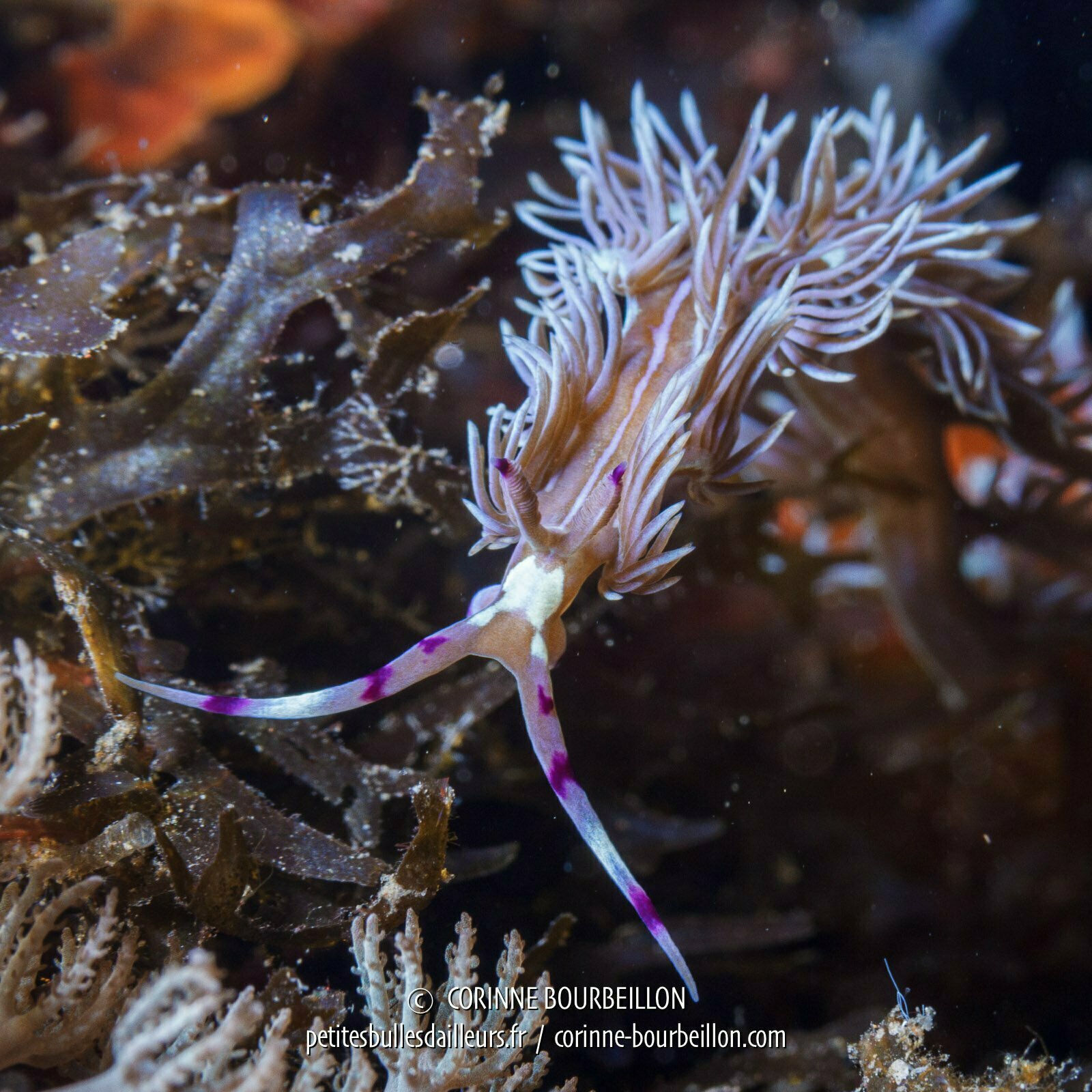
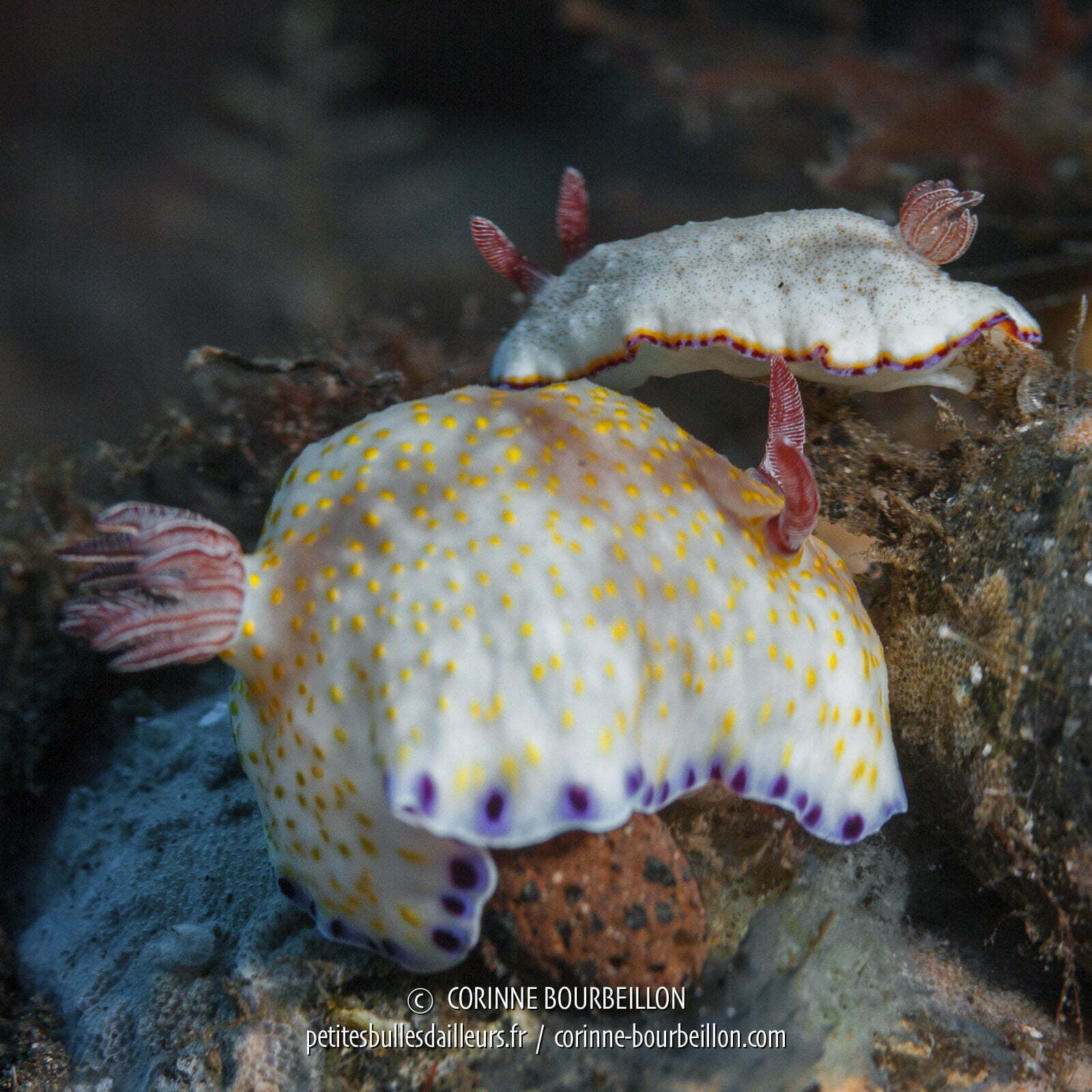
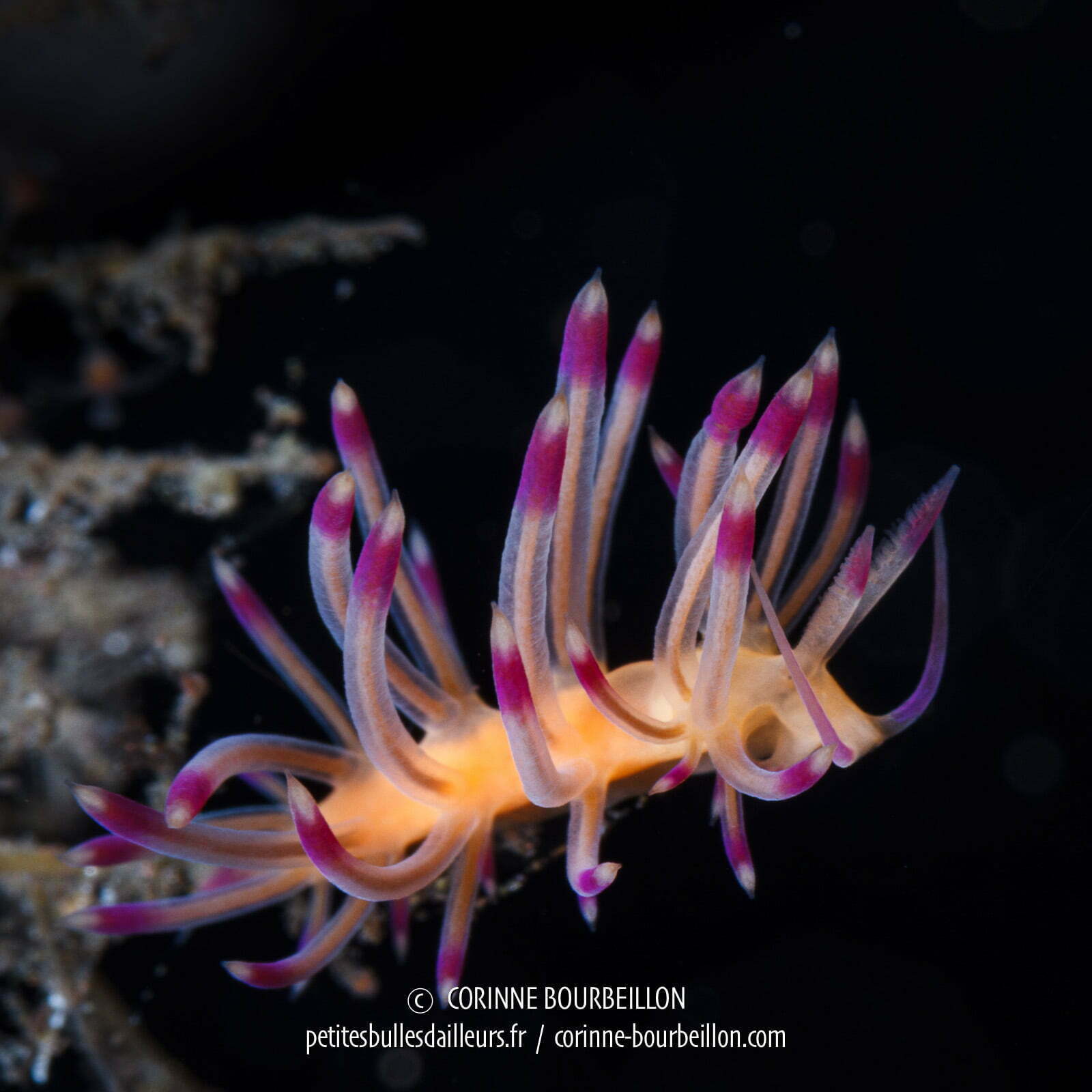
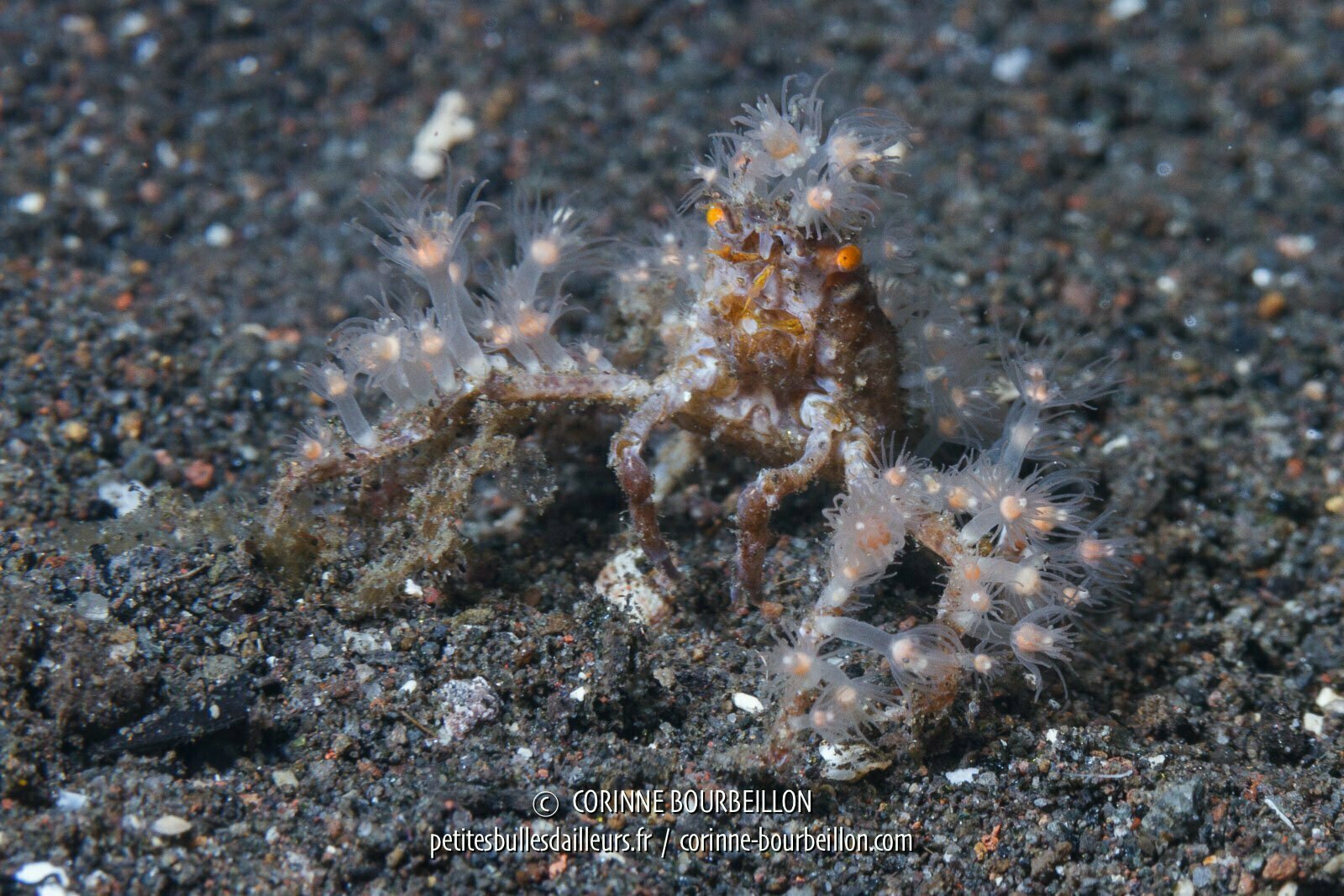
Who says volcano, says black sand. Like a Bali or Lembeh, most sites around Sangeang are a paradise for underwater photographers "muck-dive" (observation dive of small fauna, close to the substrate) and "macro" subjects. This dark background offers a perfect setting for the living jewels that are the nudibranchs (sea slugs) and other fascinating bugs, such as the wonderful little photogenic octopus.
You need to have a good eye to spot them. It is advisable to swim slowly and to take your time, with the help of a guide used to tracking the little creatures that inhabit these volcanic bottoms. Perfect buoyancy is required, in order not to lift sand with one stroke of the fins and ruin the scene...
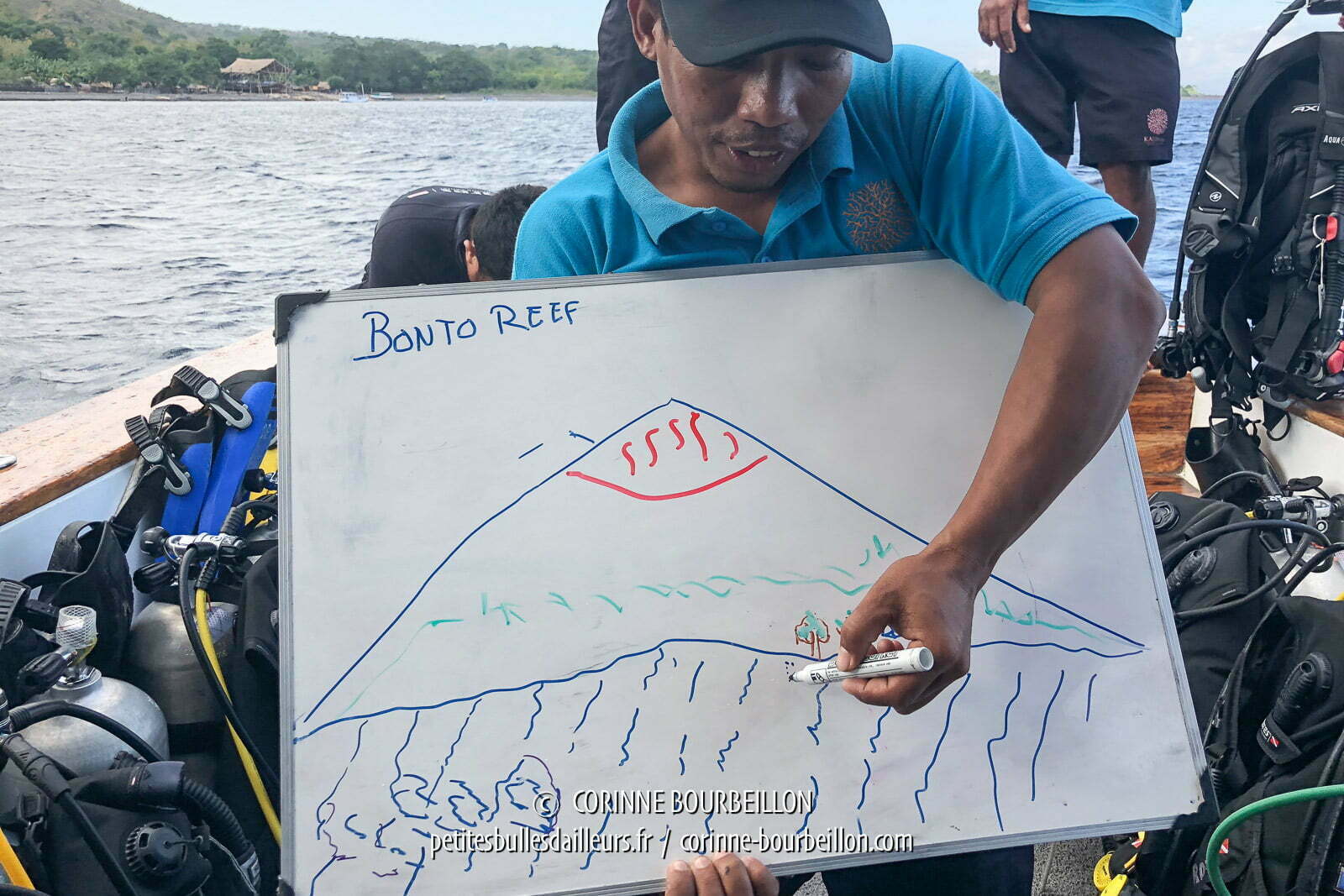
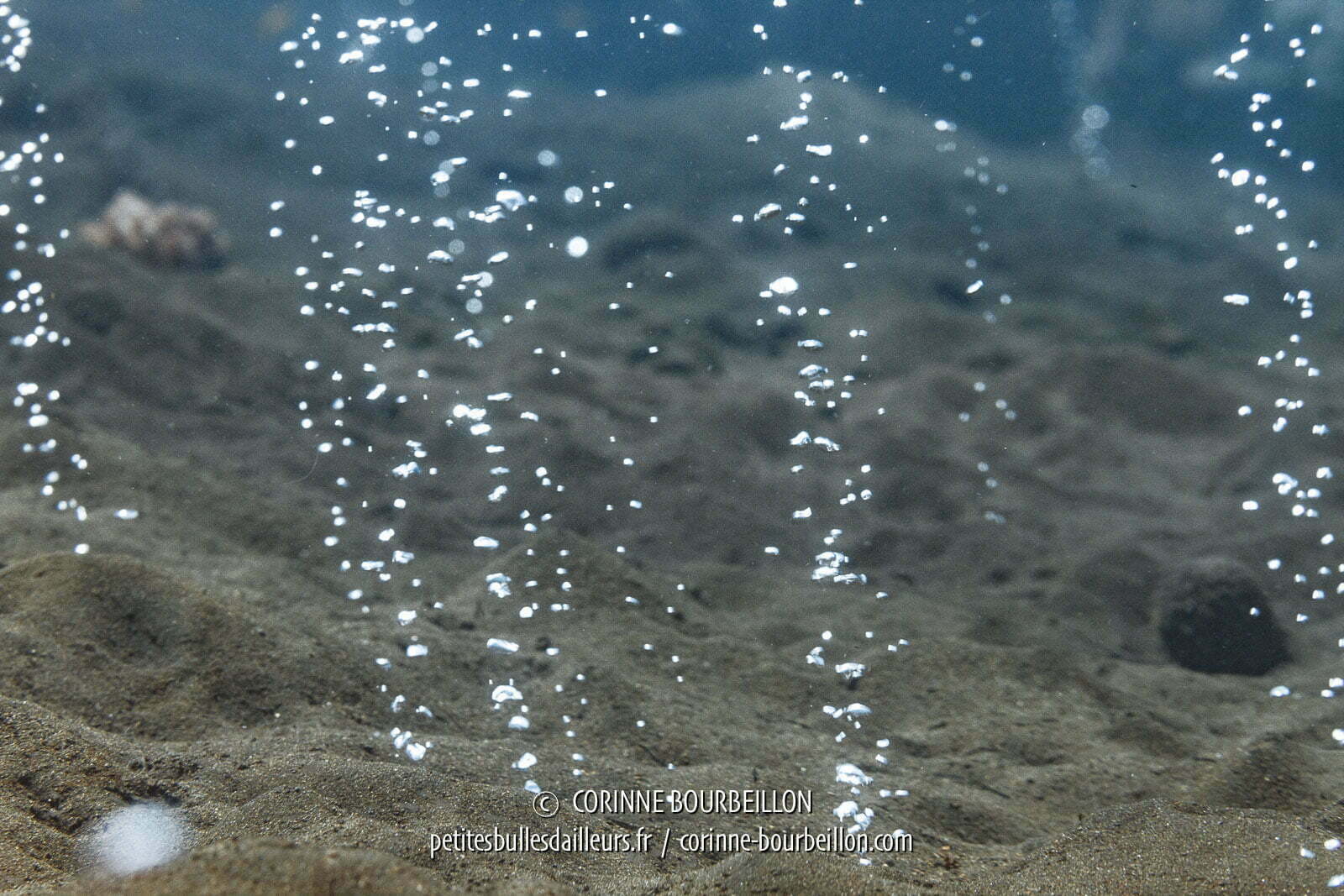
Like a Alor or Pulau WehIn some places, we can also see strings of bubbles emerging from the sand. Underwater "fumaroles", gas emissions that remind us we're diving at the foot of a volcano... 😲
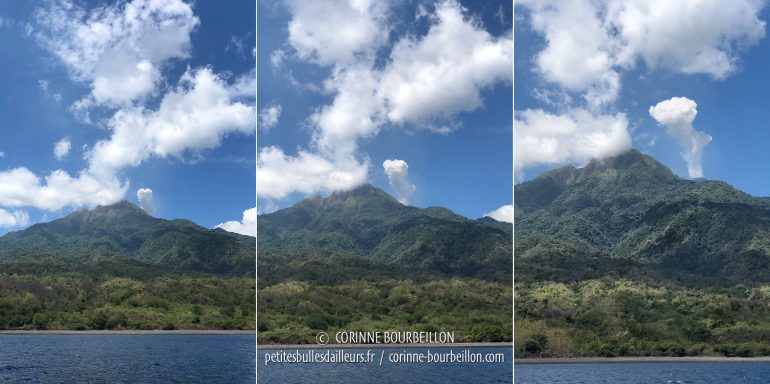
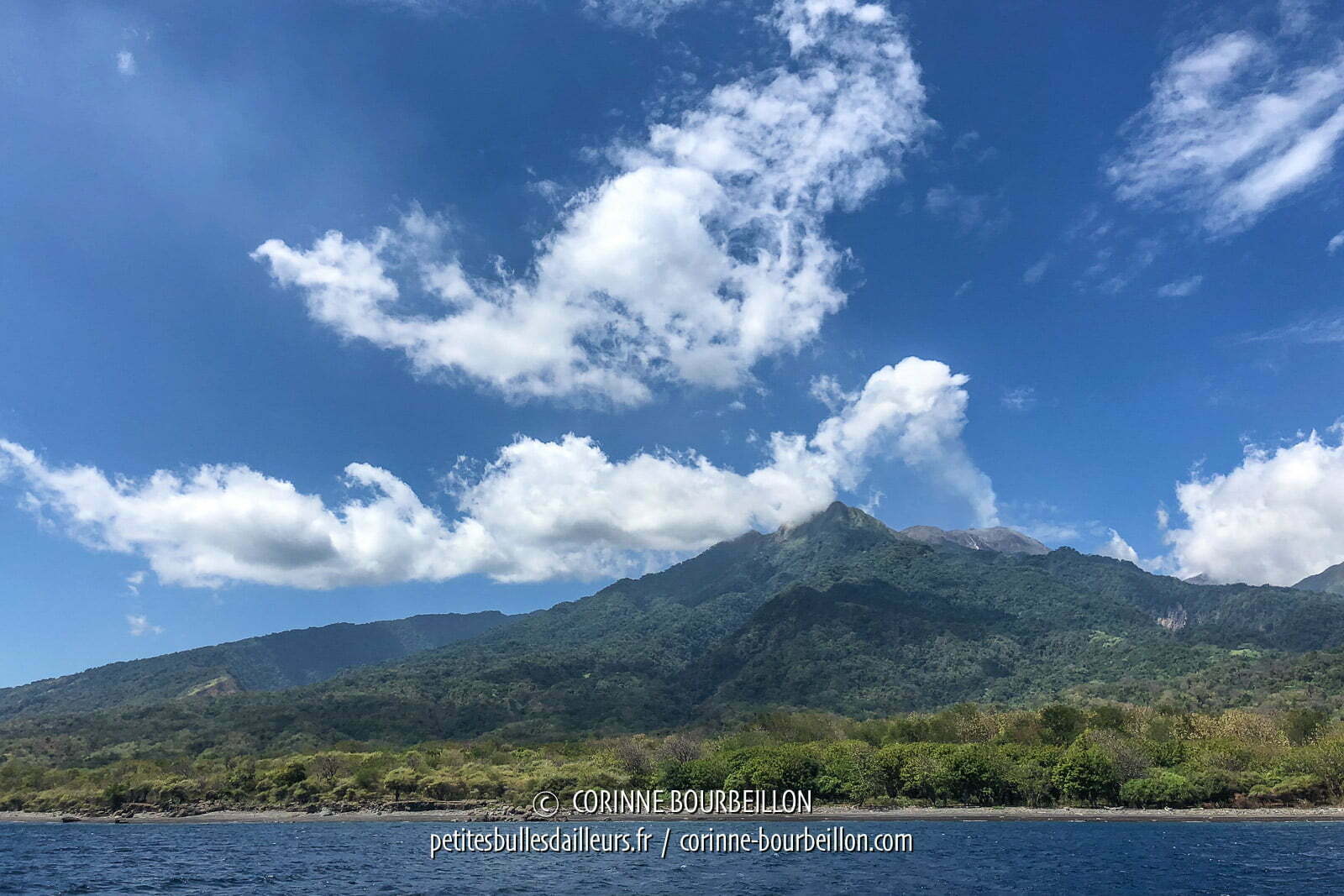
There are in fact two volcanoes, two craters, in Sangeang. On the surface, during the boat trip between two sites, we even see one of them clearly spitting out regular plumes of smoke. But we can't decide if the cloud that hangs on the other summit is just a cloud or if it also comes from the volcano...
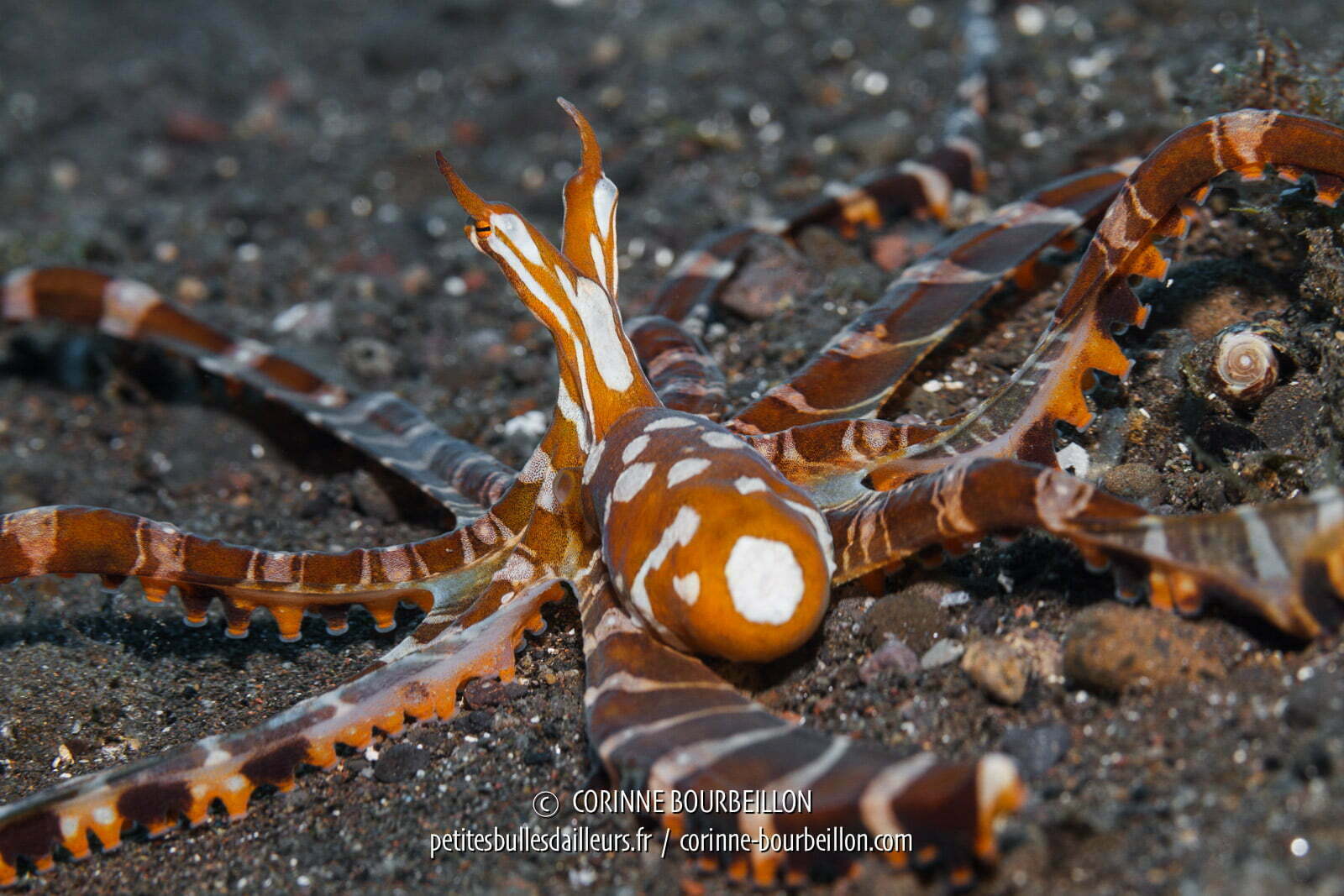
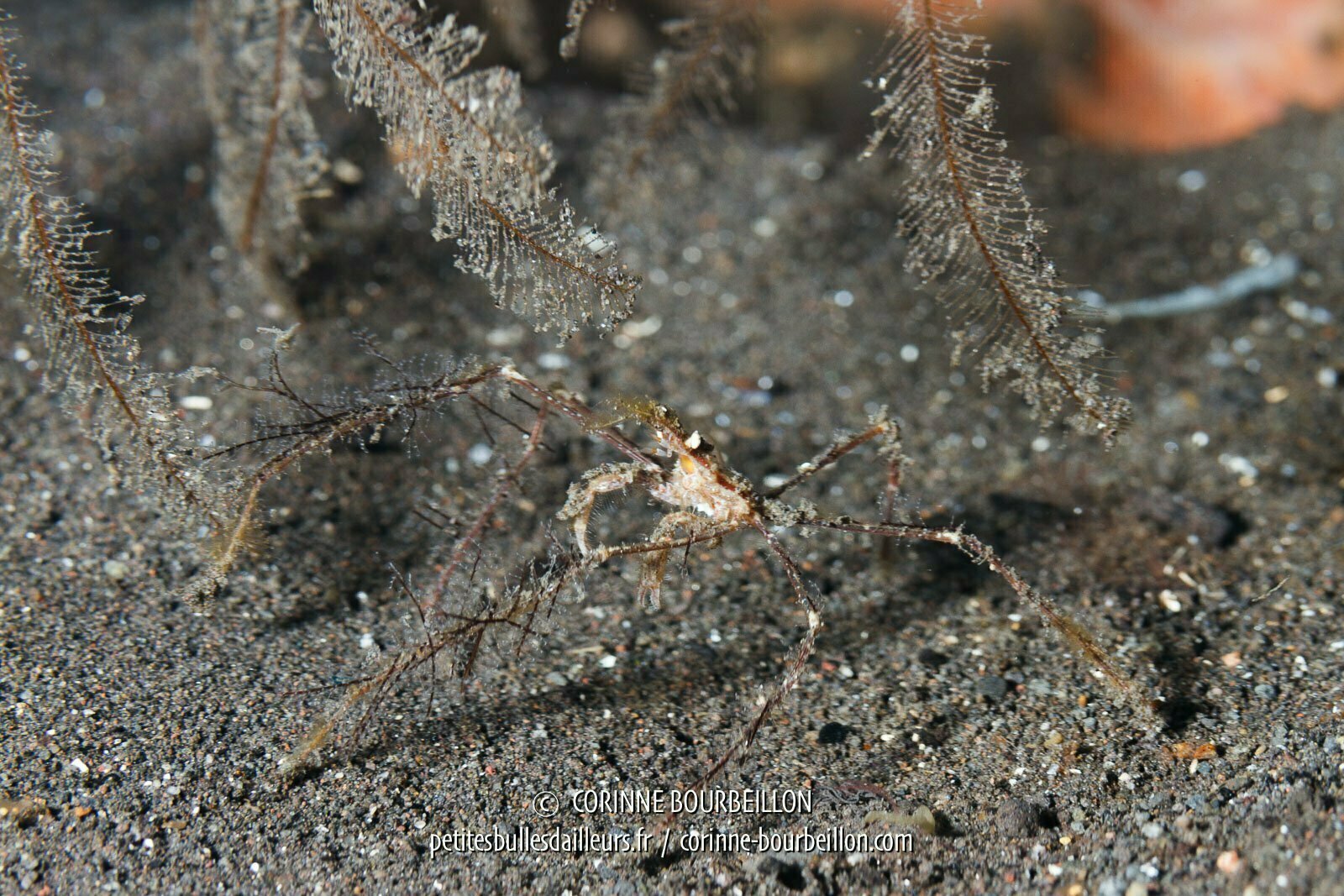
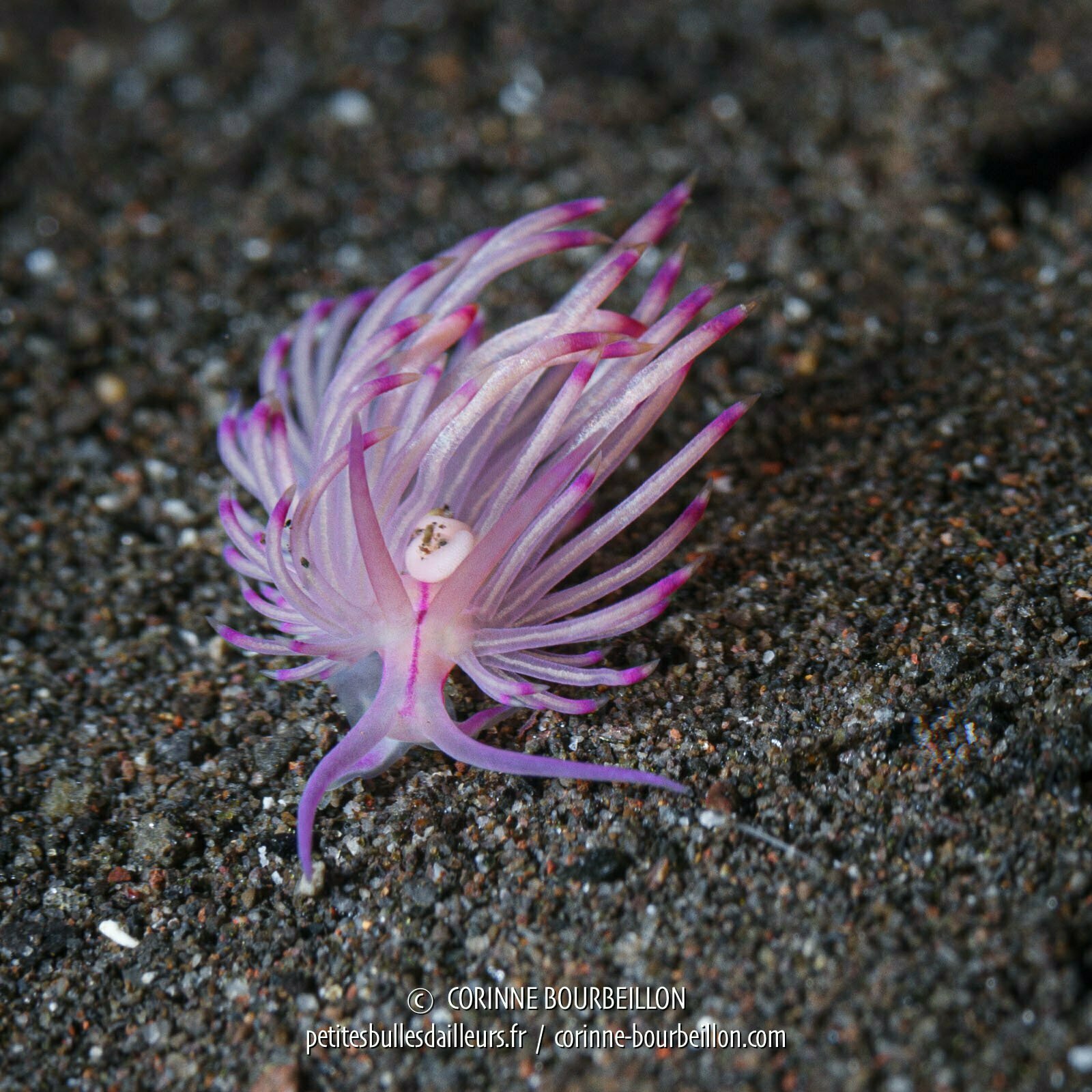
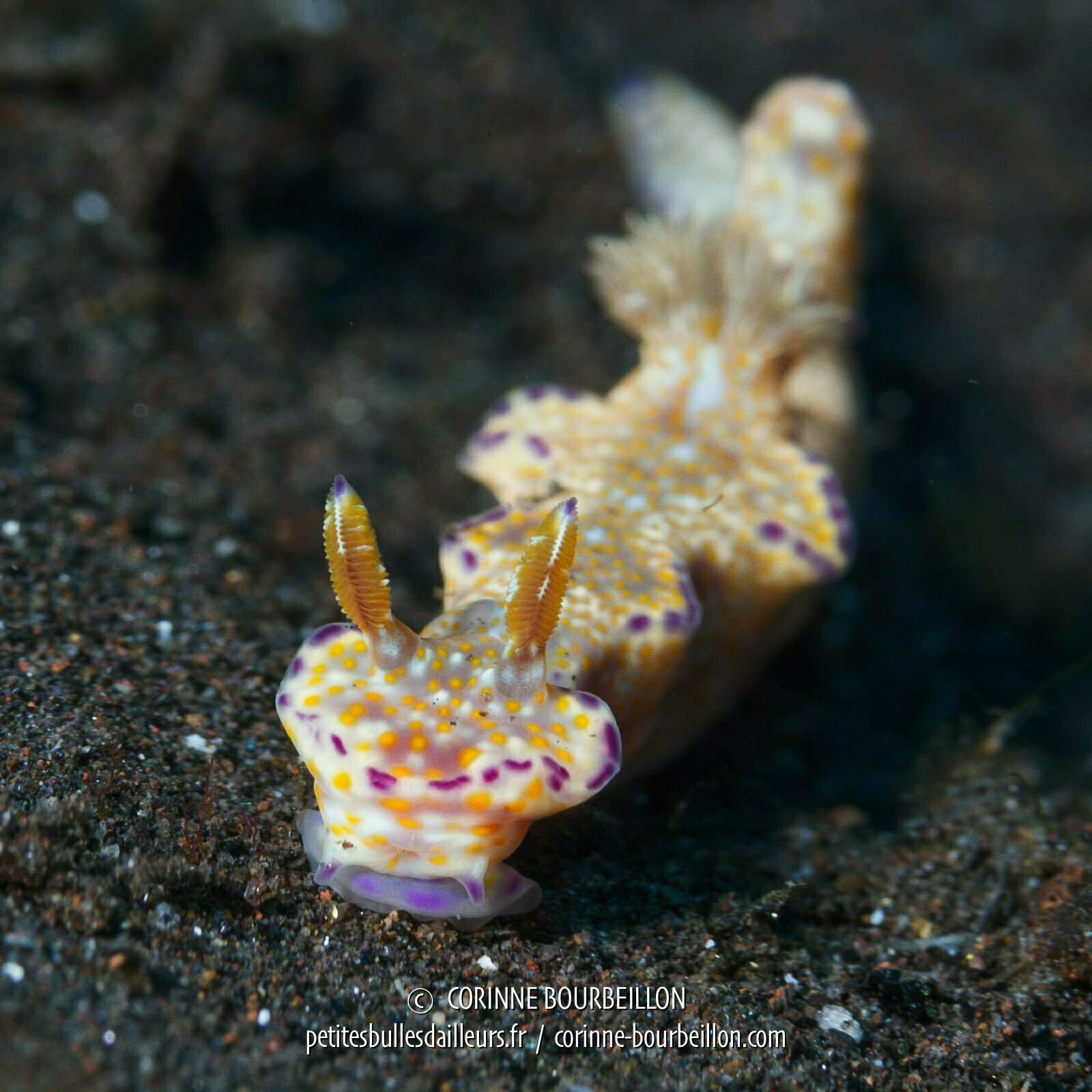
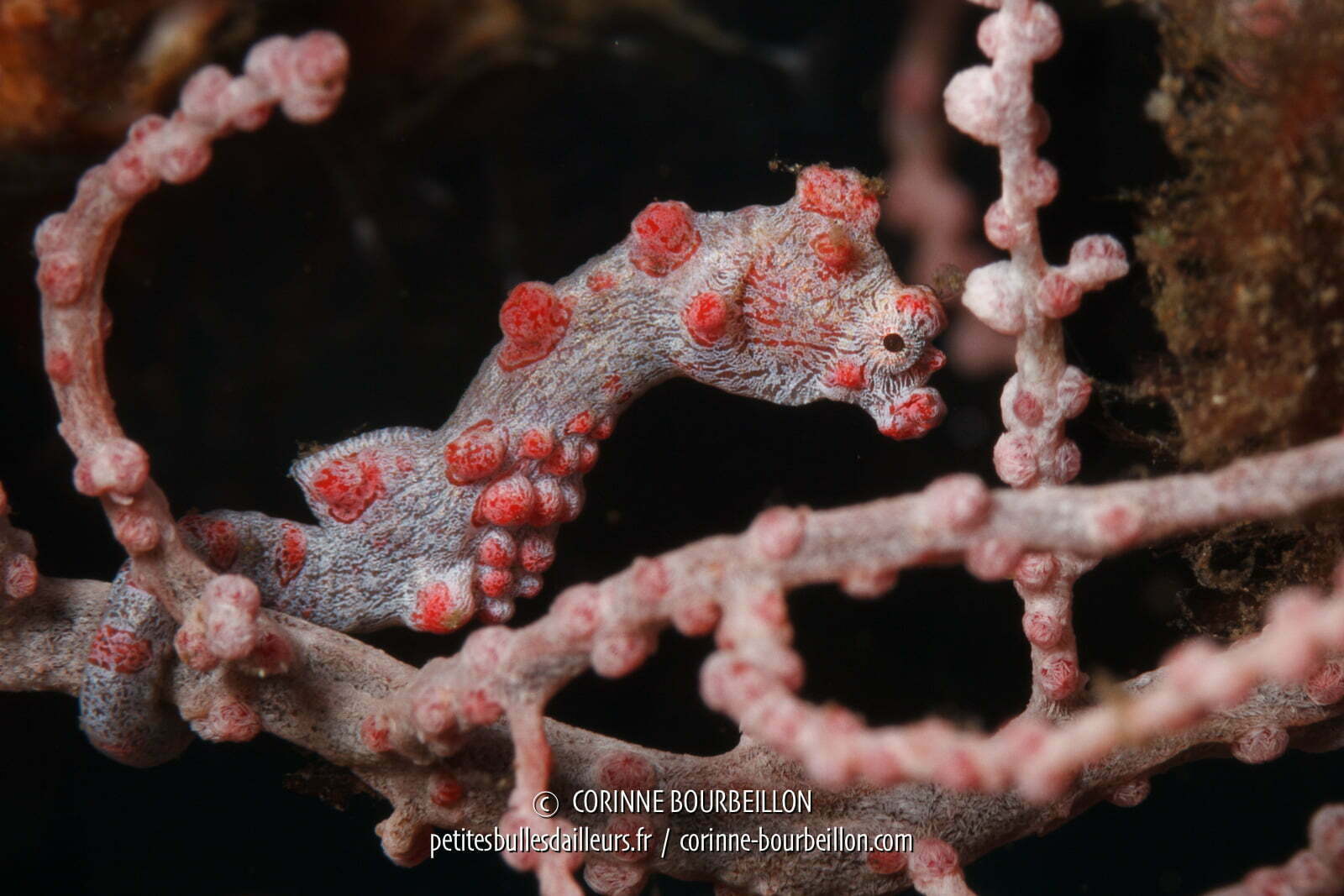
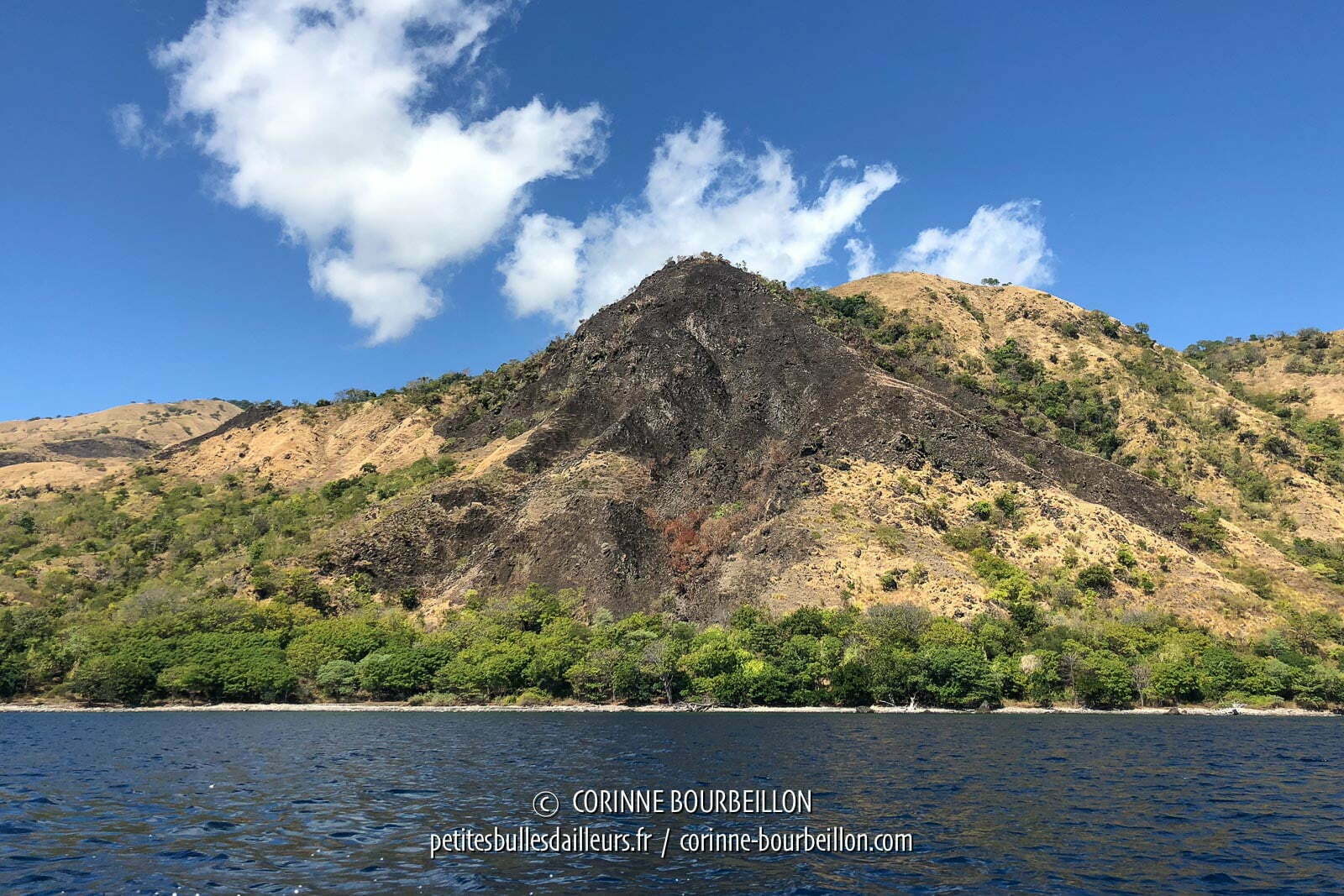
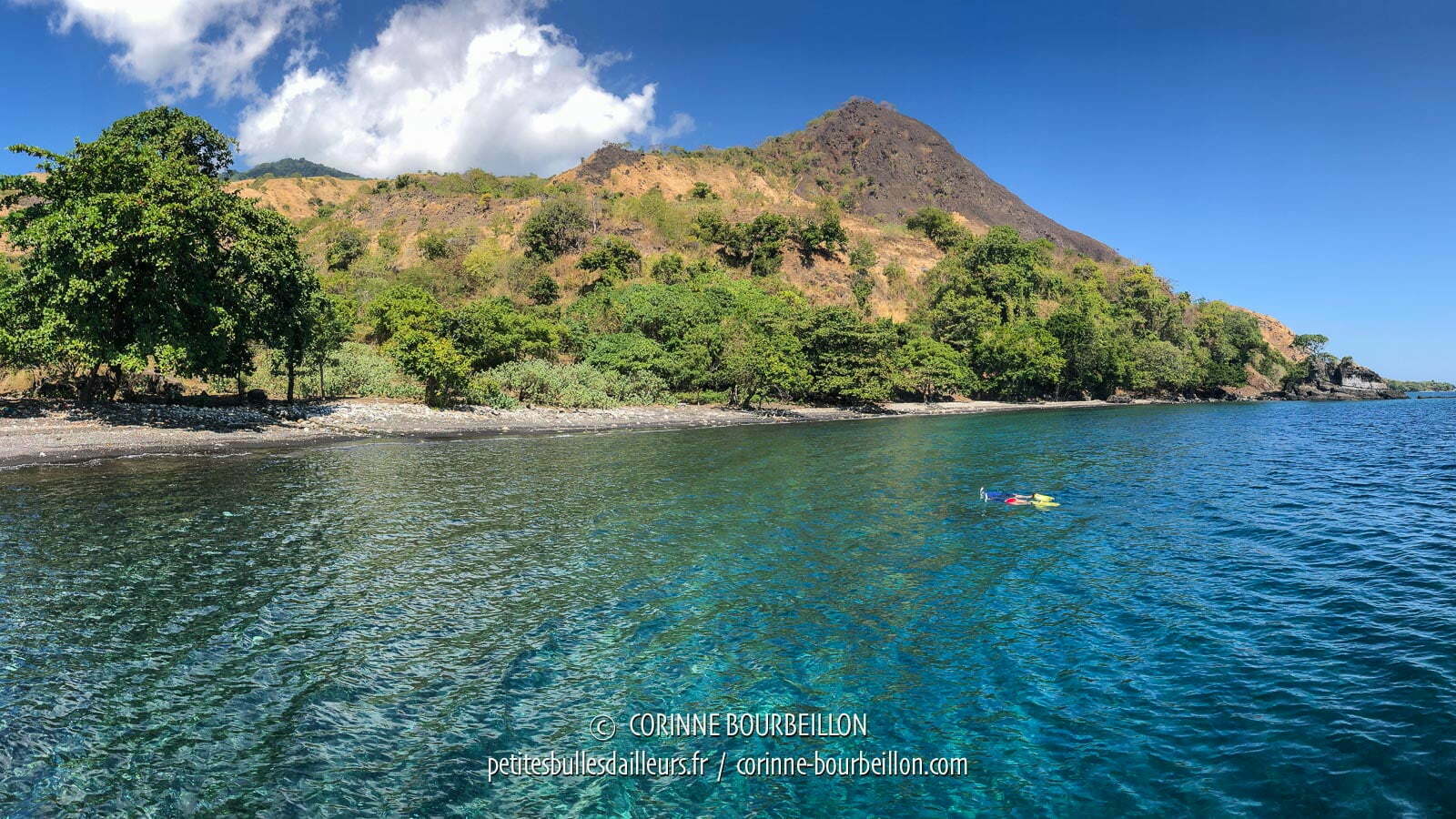
Sumbawa: nudibranchs and frogfish
Along the east coast of Sumbawa, from north to south, there is a lot to do as well, with a lot of coves, beaches and islets, offering particularly rich diving sites, where you can find all the usual small fauna of the tropical waters of the Indo-Pacific.
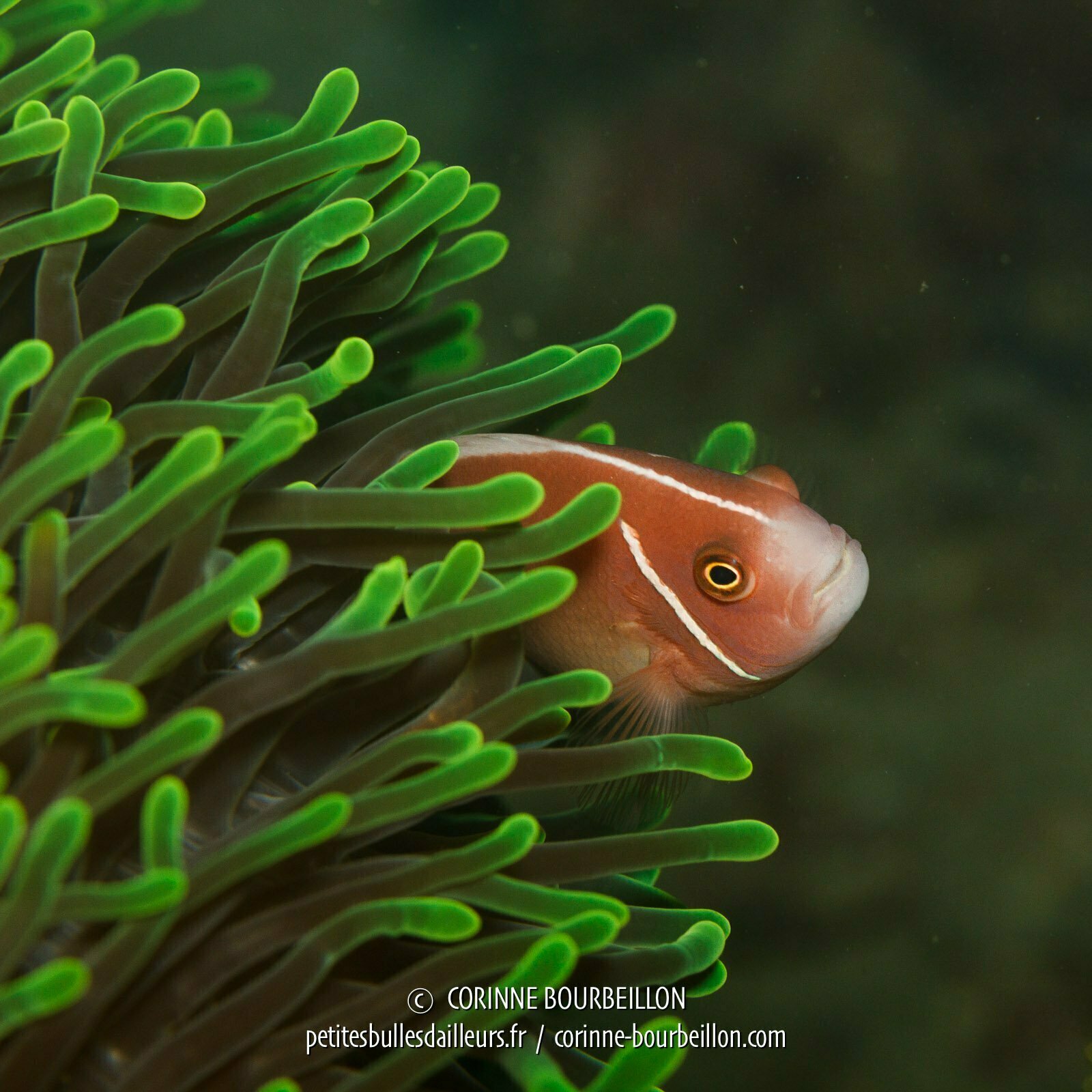
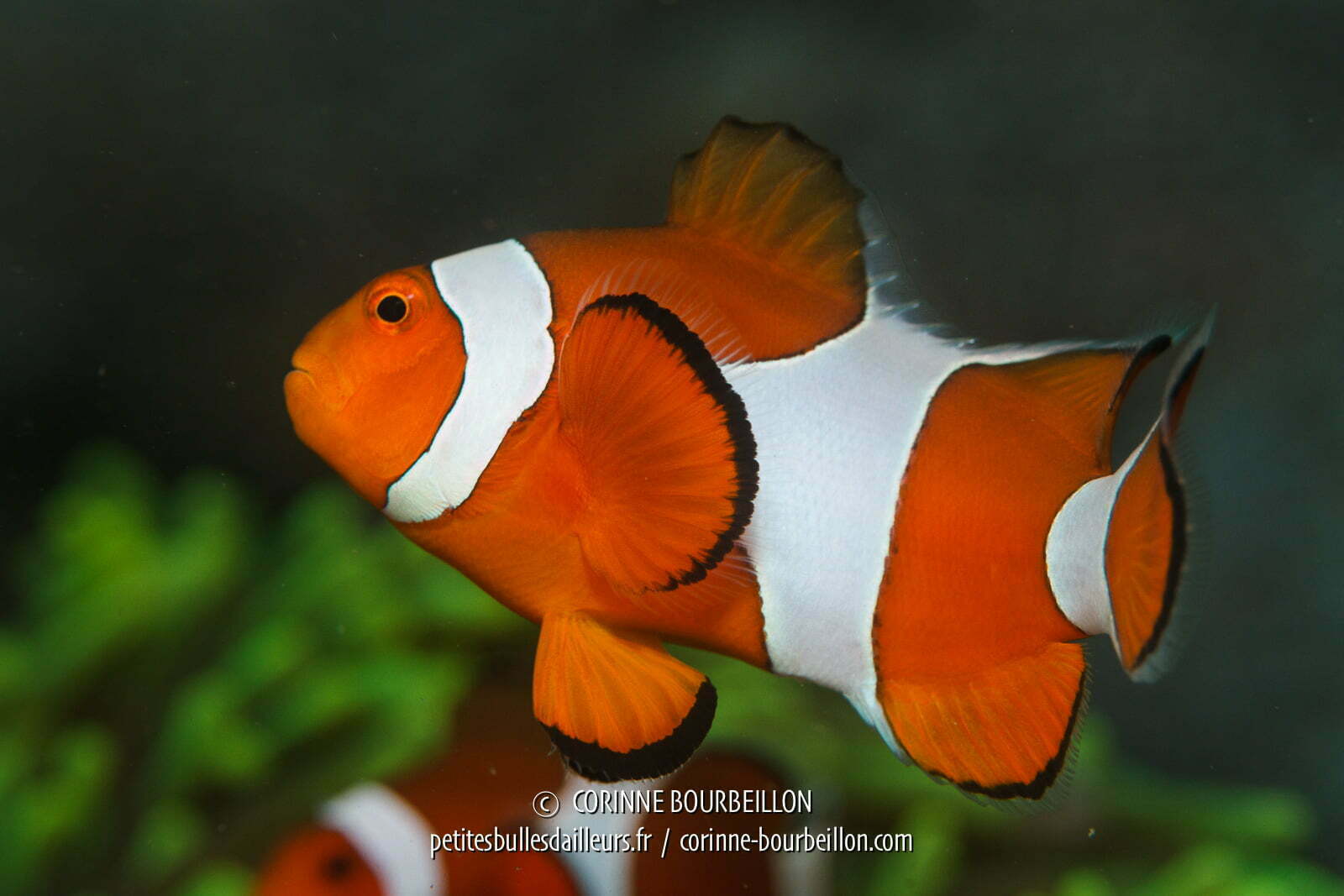
Most of the time, I will be in macro mode, in "nudibranch safari"...
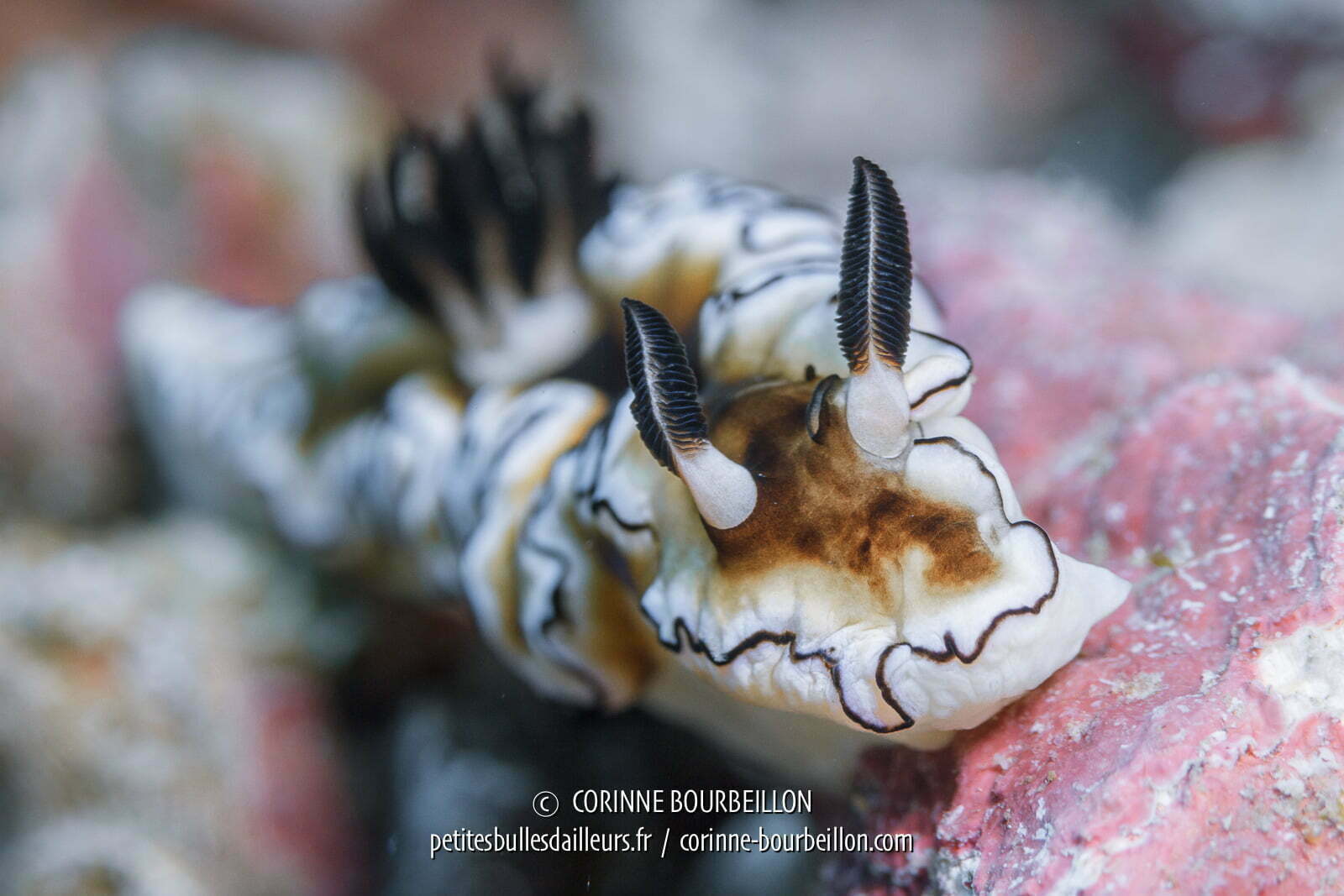
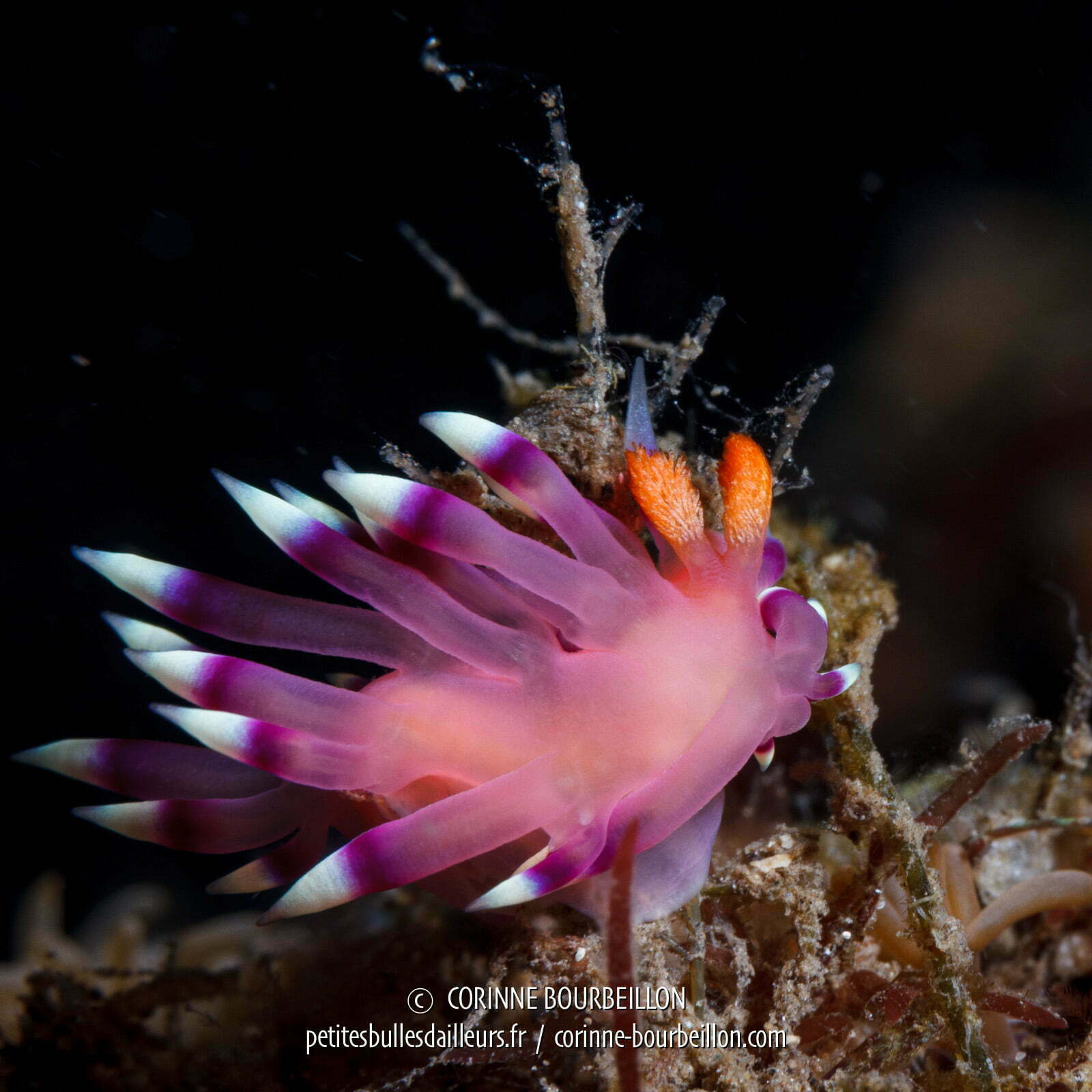
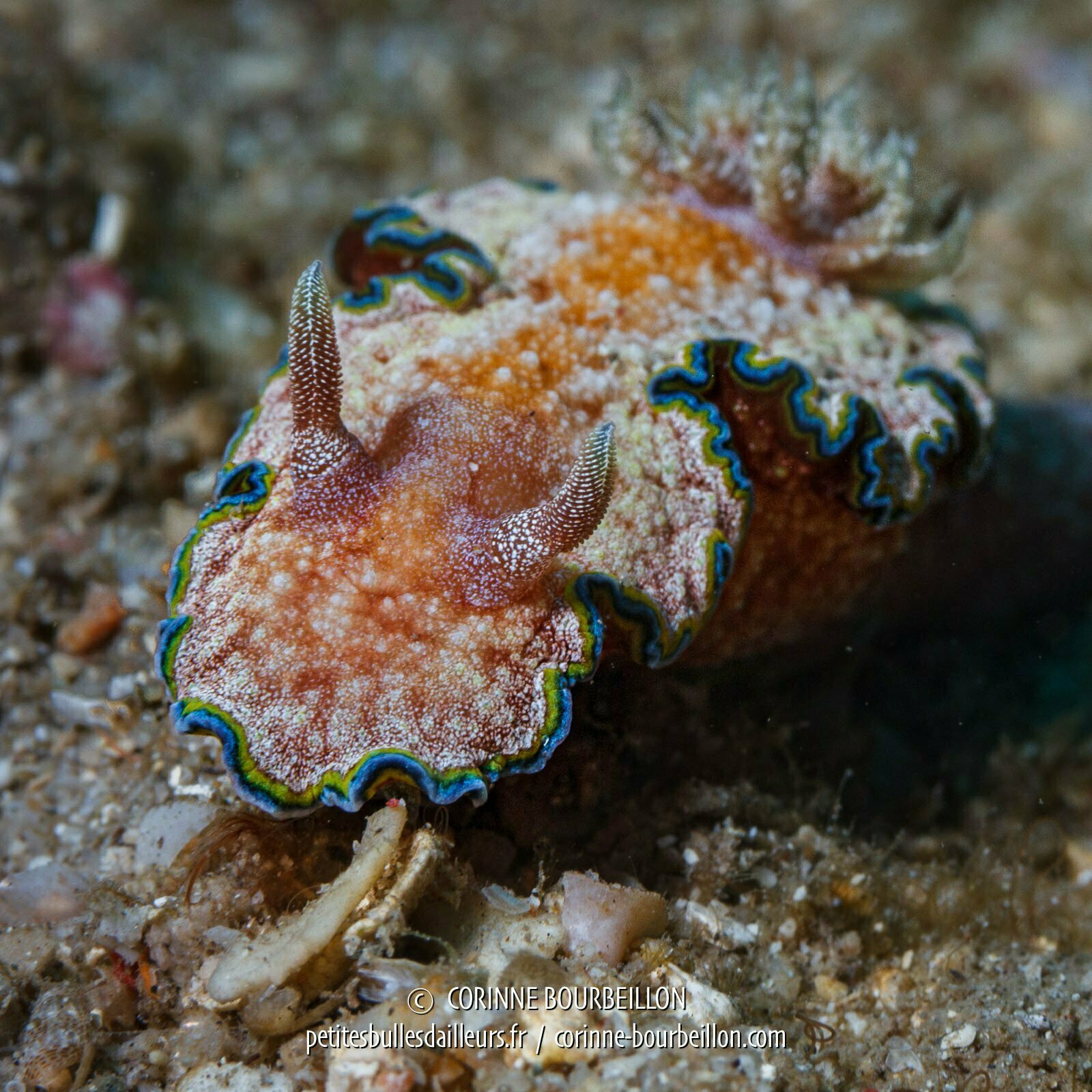
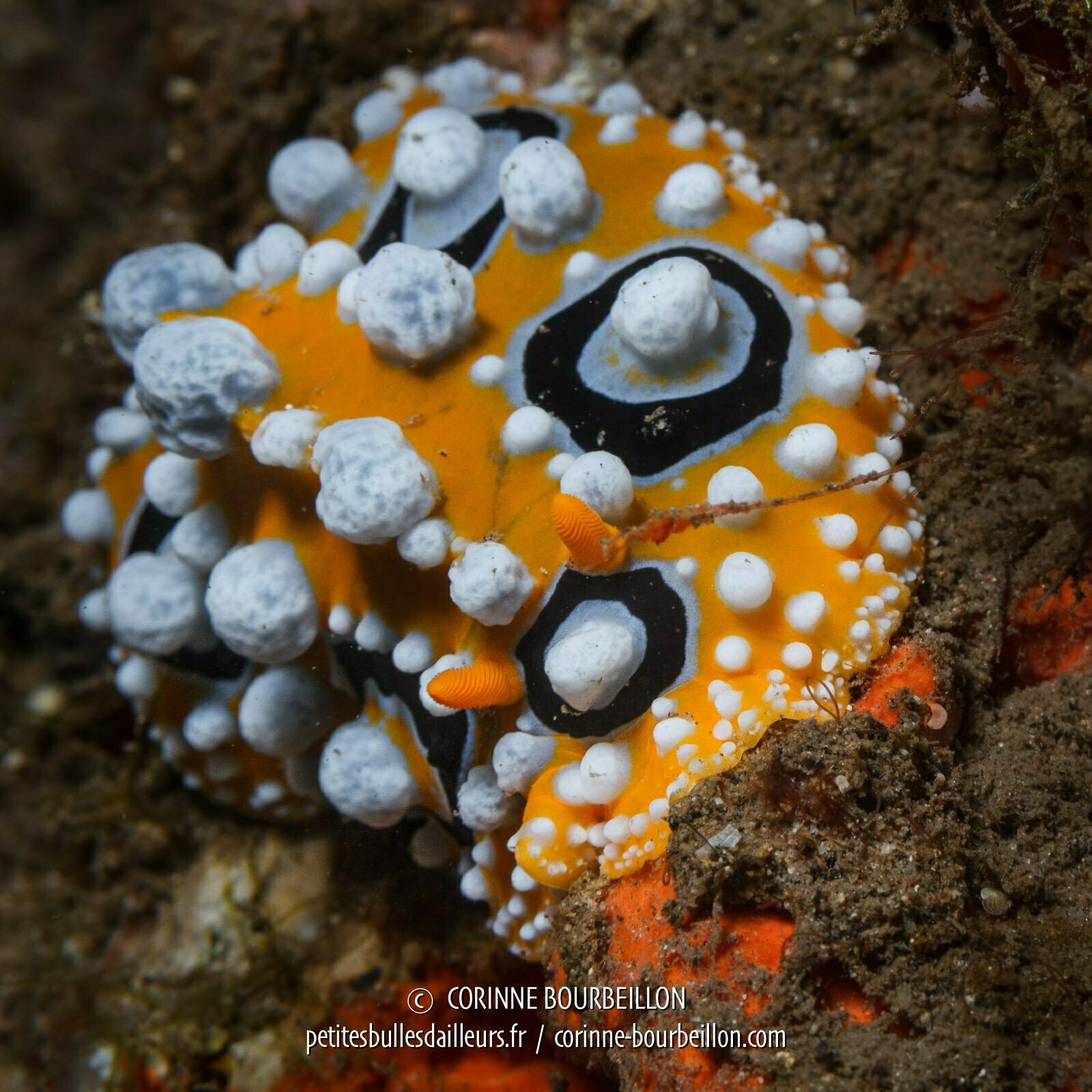
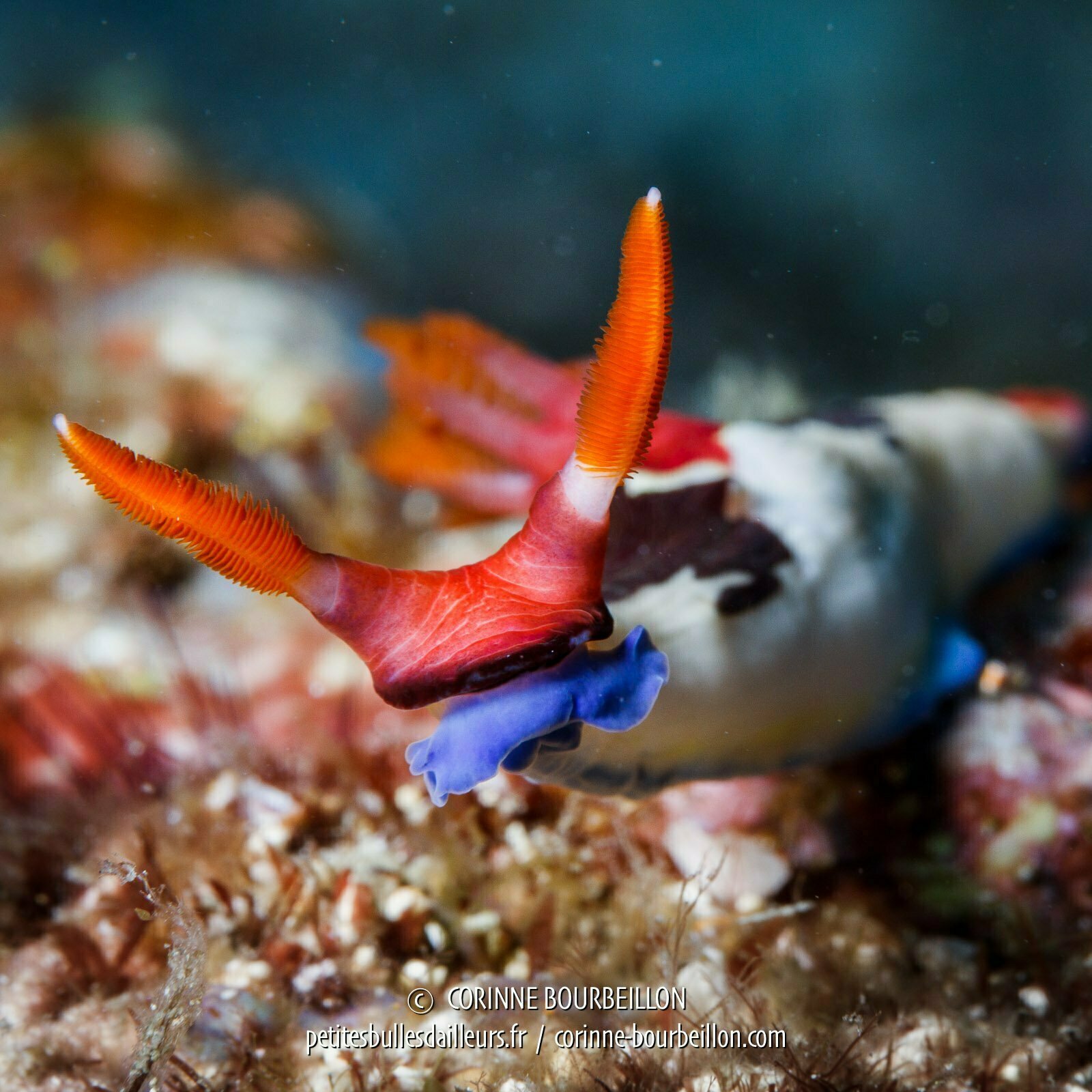
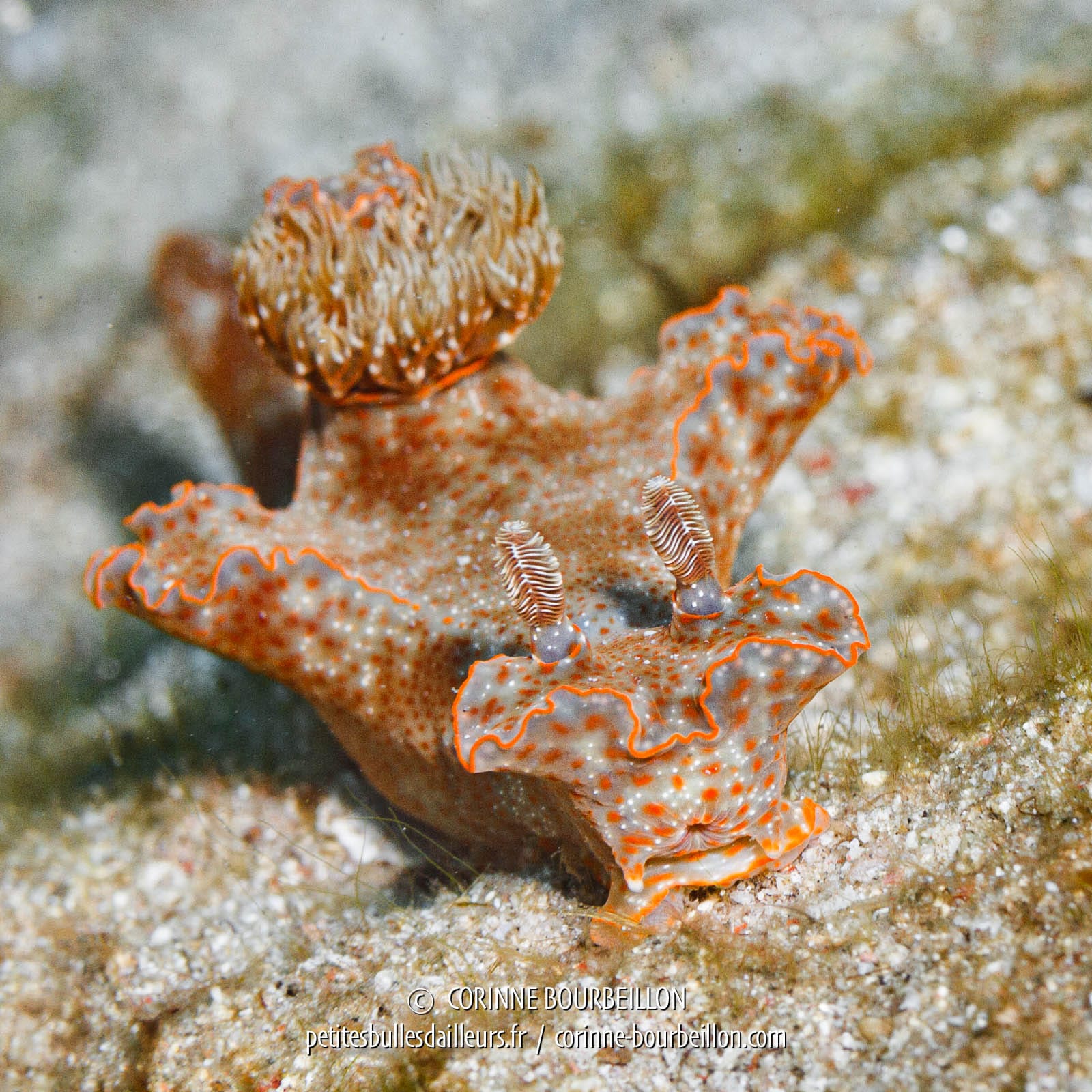
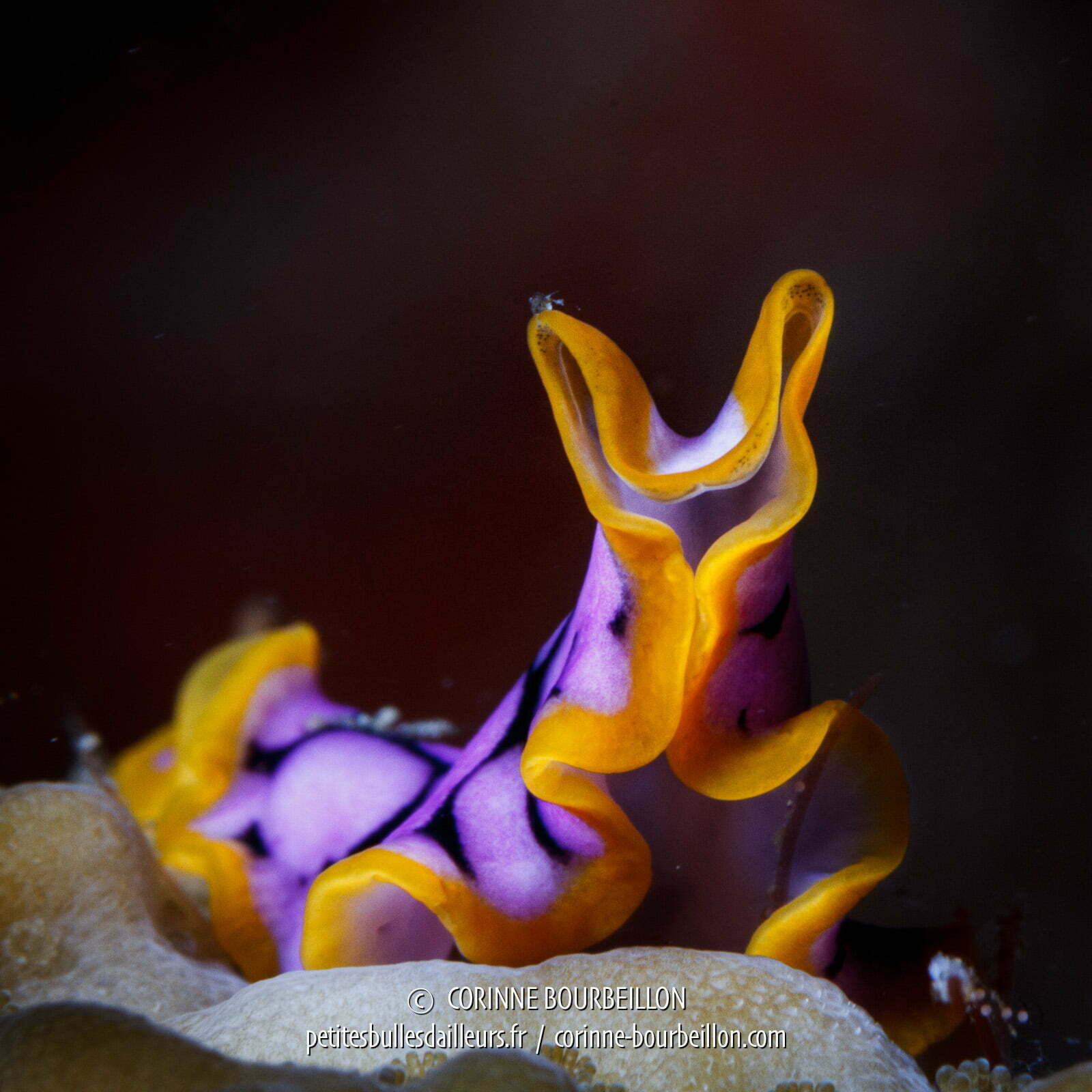
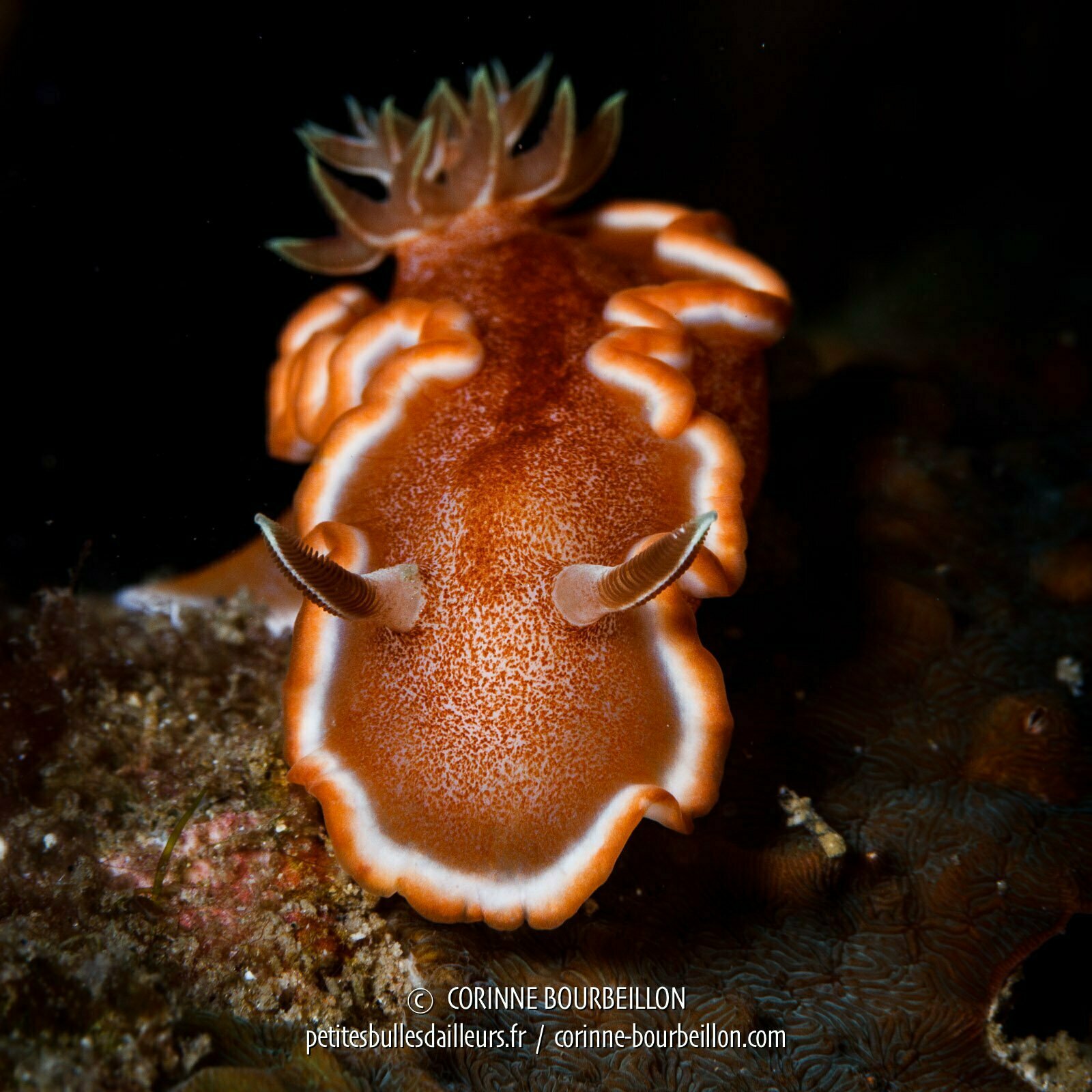
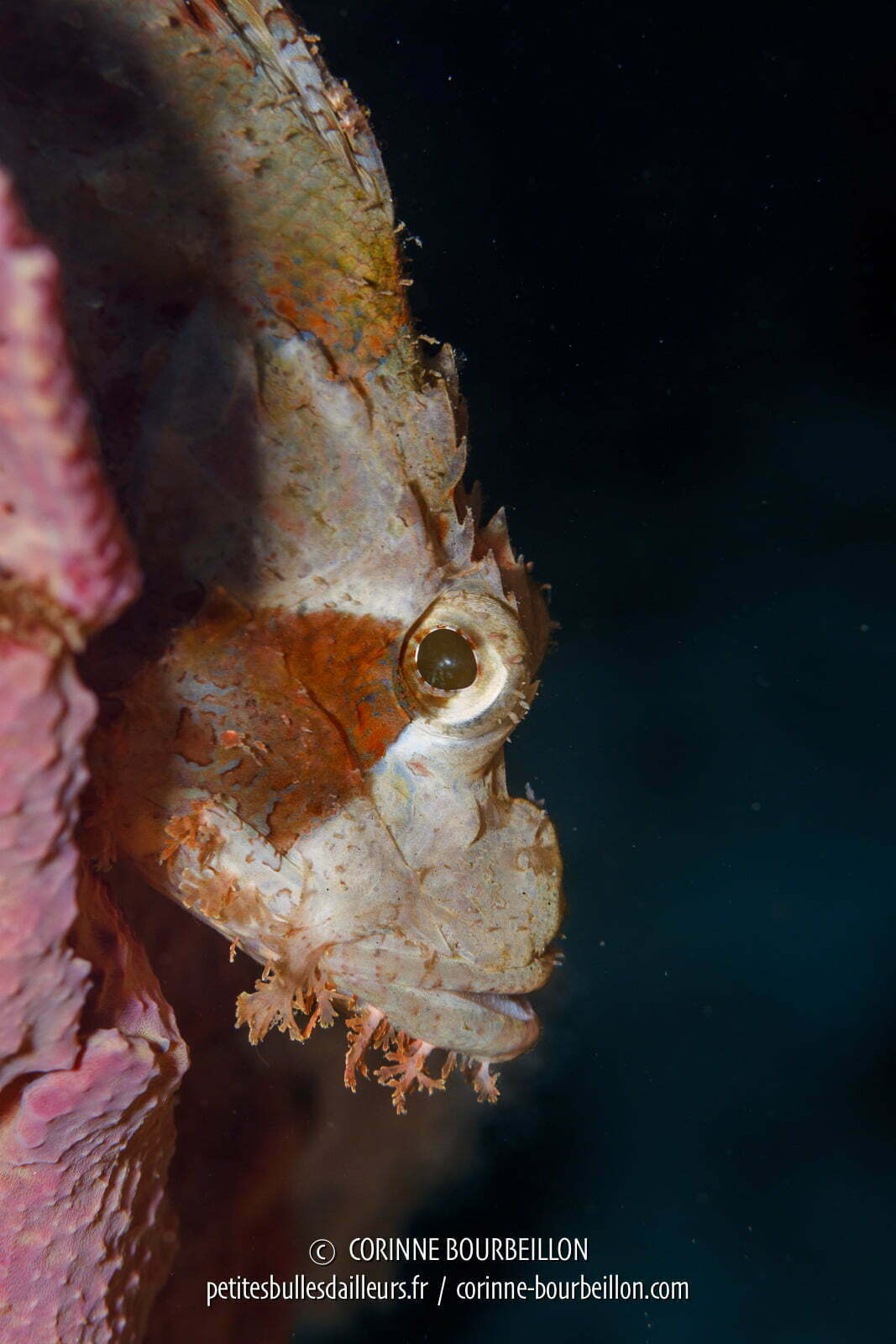
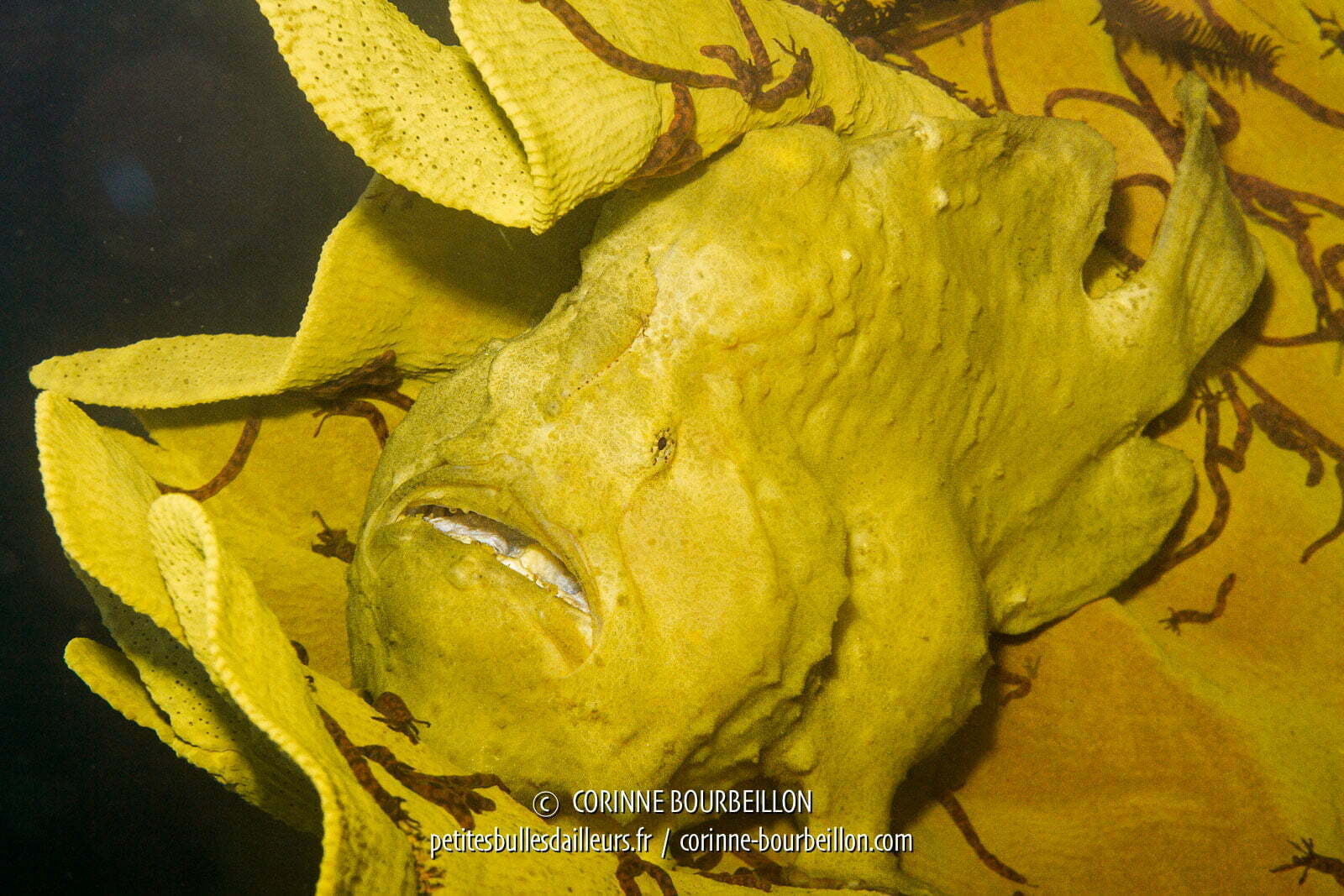
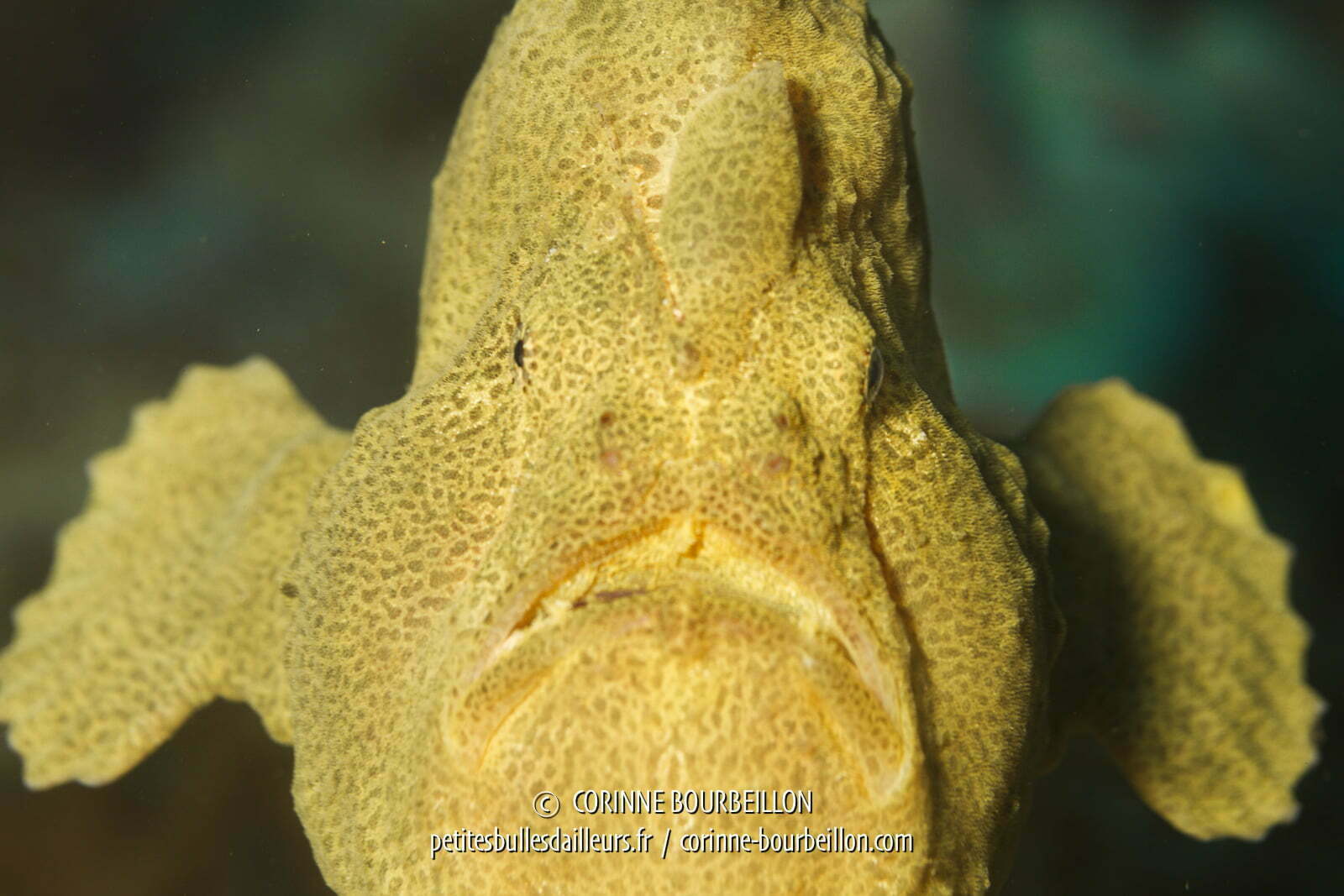
Finally, on the house-reef of Kalimaya, stretches a huge field of yellow elephant ears, these sponges similar to large fleshy leaves.
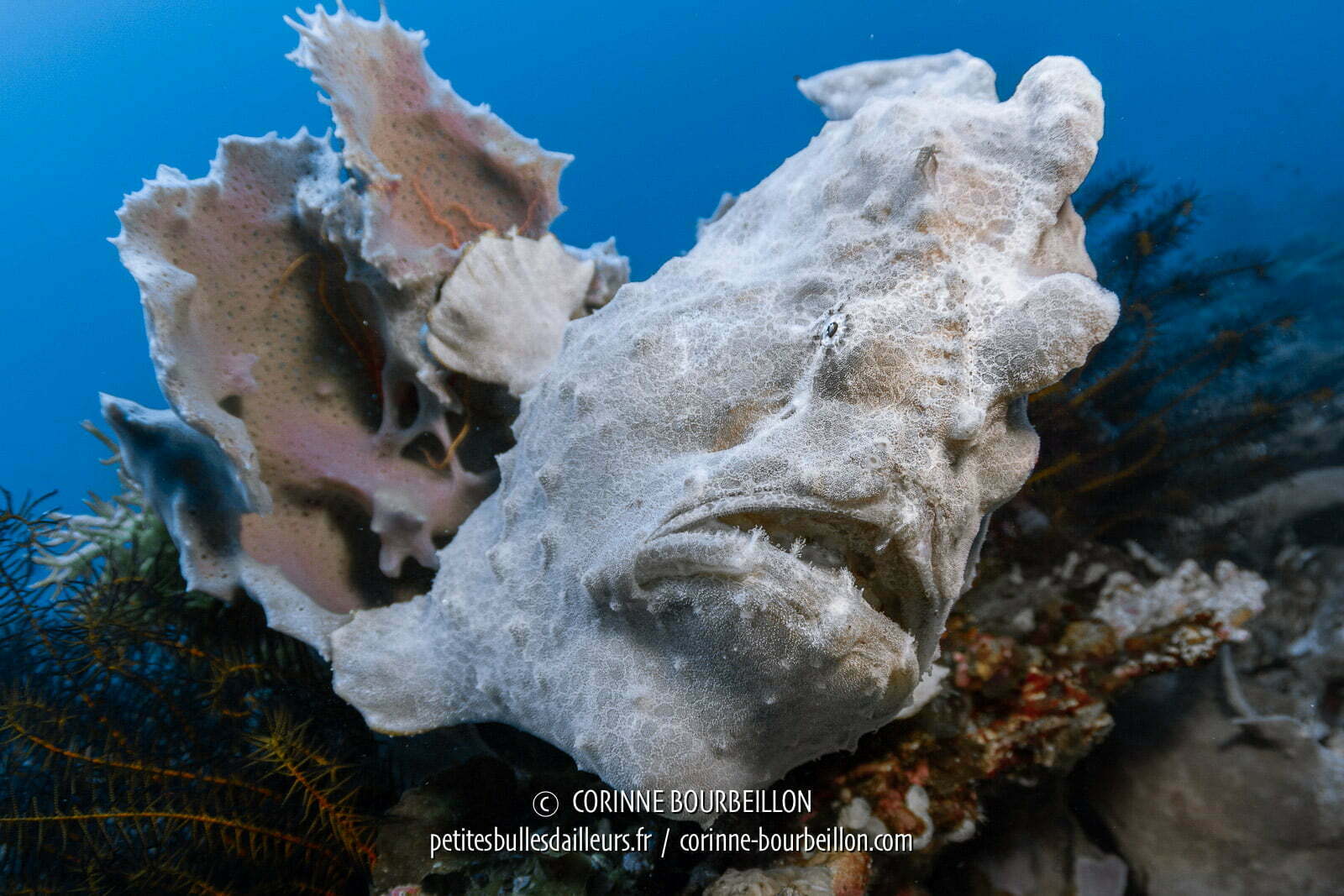
Big toad fish or frogs (antennal) of the same color have taken up residence there. An absolutely fascinating animal to observe. Its fins are almost like legs, it is able to open its huge mouth without warning to swallow in a split second an unfortunate fish that did not see it coming...
You really can't get enough of Indonesian waters. I left Sumbawa and its volcanoes with regret. But I'll be back... 😎


Another destination that makes you want to add to my list. Beautiful pictures
@ Régis: thank you ! Yes, a really "off the beaten track" destination, still little dived...
Thank you Corinne for this beautiful report. Brings back very good memories from a few years ago in 2014, during a cruise from Bali to Komodo (dives in Sangeang on the sites of Bonto Reef, Black River, Bubble Maker). And makes you want to go to Kalimaya Dive Resort!
@MarcoT: Yes, the resort is ideally located... After, we could not go to Sangeang every day, again it depended on the wind, the swell, etc.. Really a spot apart.
A little wink, Corinne, my terrace often looks like Komodo, in less terrifying, much less, but a little air anyway!
Beautiful report, as always.
@Lydie: I propose that we rename the terrace "Little Komodo"... 😀
Thank you, Corinne for these beautiful images that discover to the non-divers so many small animals with extraordinary colors.
I have, for my part, visited Sumbawa in solo, a long time ago, without tourists indeed, in an atmosphere a little "reserved" but with beautiful weavings in a very rich and ancient style, with gold and
of money if I remember well... It makes me want to "dive back in".
in there to check ...
Bravo for this site always so pleasant to look at and so well documented which can only trigger desires for travel, islands, sea and much more ...
@Sarah: thanks for your message and your impressions... I think there are plenty of corners that haven't changed too much yet in Sumbawa... 🙂
Still beautiful !
thank you for sharing these rare places on the planet!
@Laurence: always a pleasure to share... 🙂
Bravo for the photos, more and more mastered in addition to being beautiful! And thank you for diving for those who don't get into the water!
@ Gaëlle: thanks for the compliment... Diving, for me, is always a pleasure!!! 🙂
Another exciting report and beautiful photos, in a still preserved corner of Indonesia that is full of life!
Greetings from Bali!
@Guillaume : thank you very much 🙂 Greetings from Brittany!
Whow!
Your underwater photos are absolutely crazy! It's a crazy thing! Thank you very much for sharing. We have been to Indonesia but never on the diving side. Anyway, we have neither one nor the other diving skills. And I'm not even equipped (yet) to take pictures underwater =) I'm going to check out your dedicated section. And the rest of your pictures =)
Ah well I already looked at it, it's not bad the idea of the small compact with a small waterproof case =) It's also to be studied to take a look easily under my southern waters =). Knowing that I already "killed" one of my smartphones with their famous "waterproof bags" ....
See you soon !
Great blog.
You should also go to Moyo! I just went there for only 3 dives, and I was really amazed! For me it was as good or even better than the dives of North & Central Komodo, and Raja Ampat. The visibility was also incredible (40 meters). What an abundance! And several species of morays and sharks on each dive.
There is also the spot of Saleh Bay to visit from Labuan Jambu which I think you would like very much. It is for whale sharks. It's not a random encounter of course, in the past the Bugis fishermen used to kill them when they were trapped in their nets on their "Bagan" platforms. Today, they protect them and receive income from tourism. It is not Oslob for all that.