

Ambon, Home to a Strange Little Underwater World

 EN
ENOctober 2025. I’m back in Indonesia. First stop: the island of Ambon in the Moluccas archipelago. My companions: about ten passionate underwater photographers, brought together by marine biologist Steven Weinberg. Our subjects: odd little creatures hiding in the grey sand on the ocean floor.
A Muck Diving Destination
Like Lembeh Strait in North Sulawesi, Ambon Bay is a renowned muck diving destination. It’s a specific style of diving that involves swimming slowly just above the seabed to scrutinize every square centimeter.
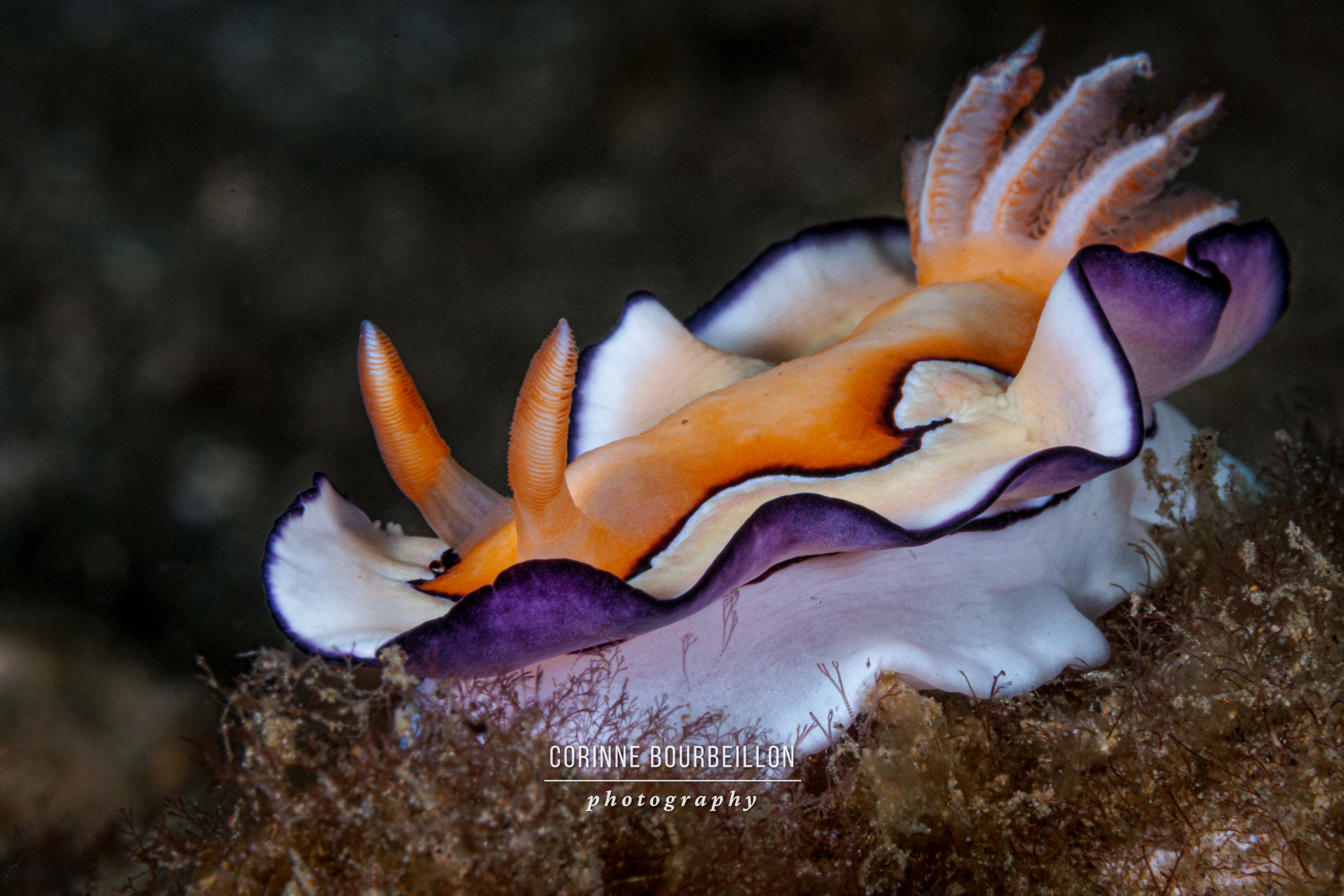
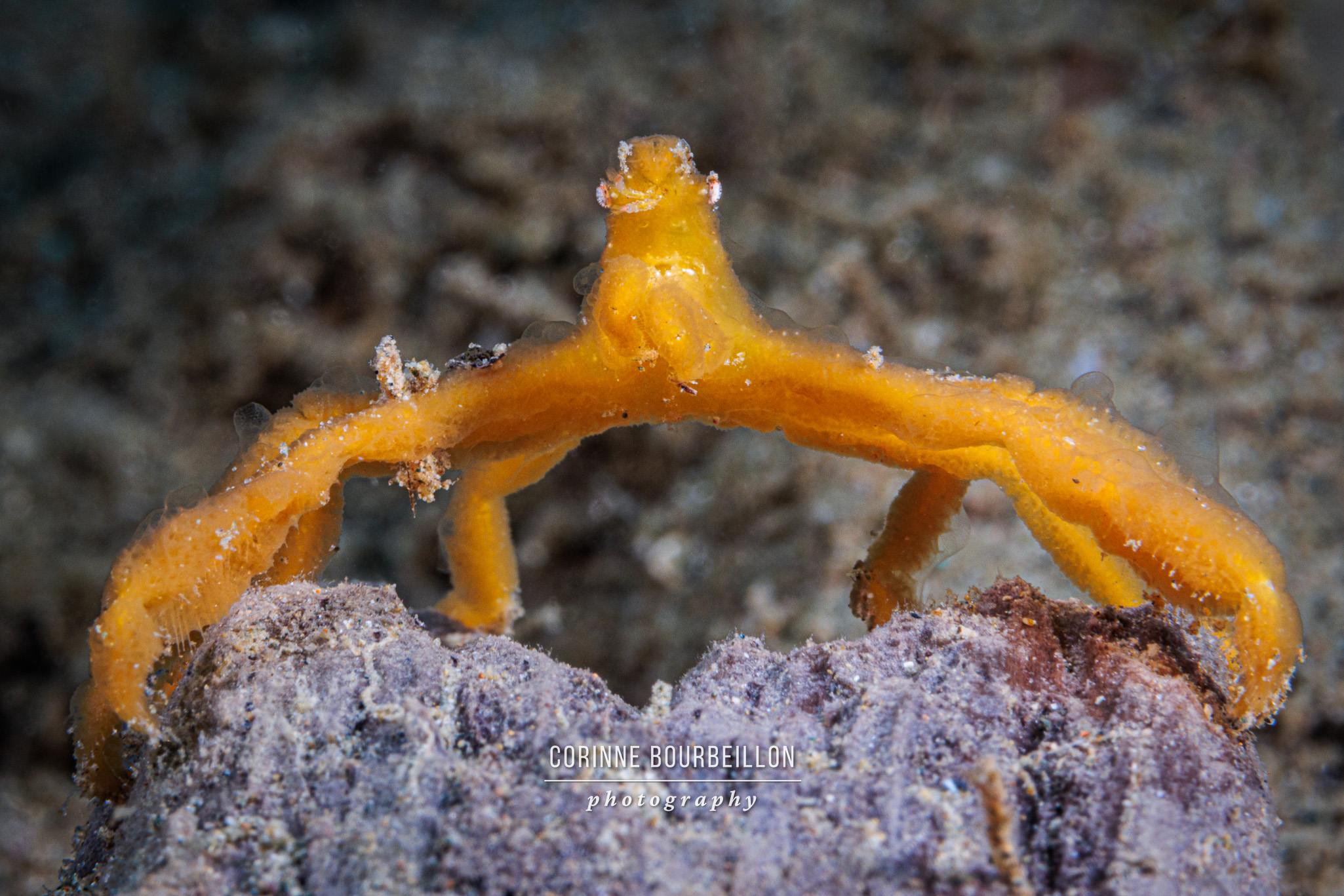
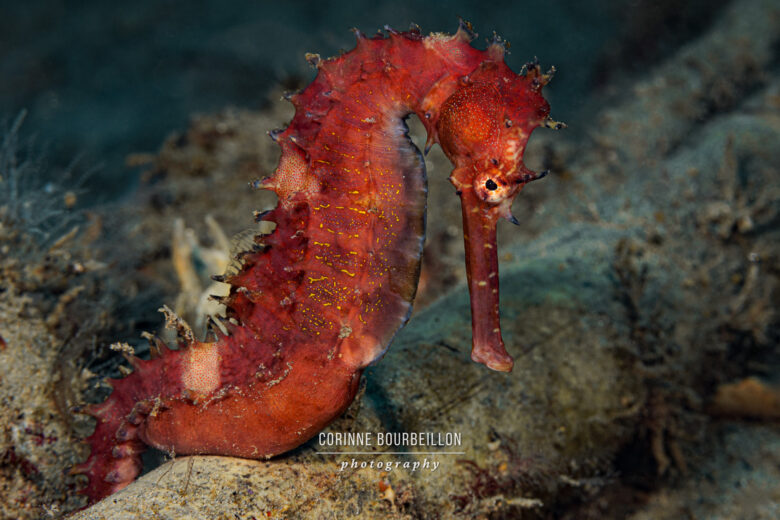
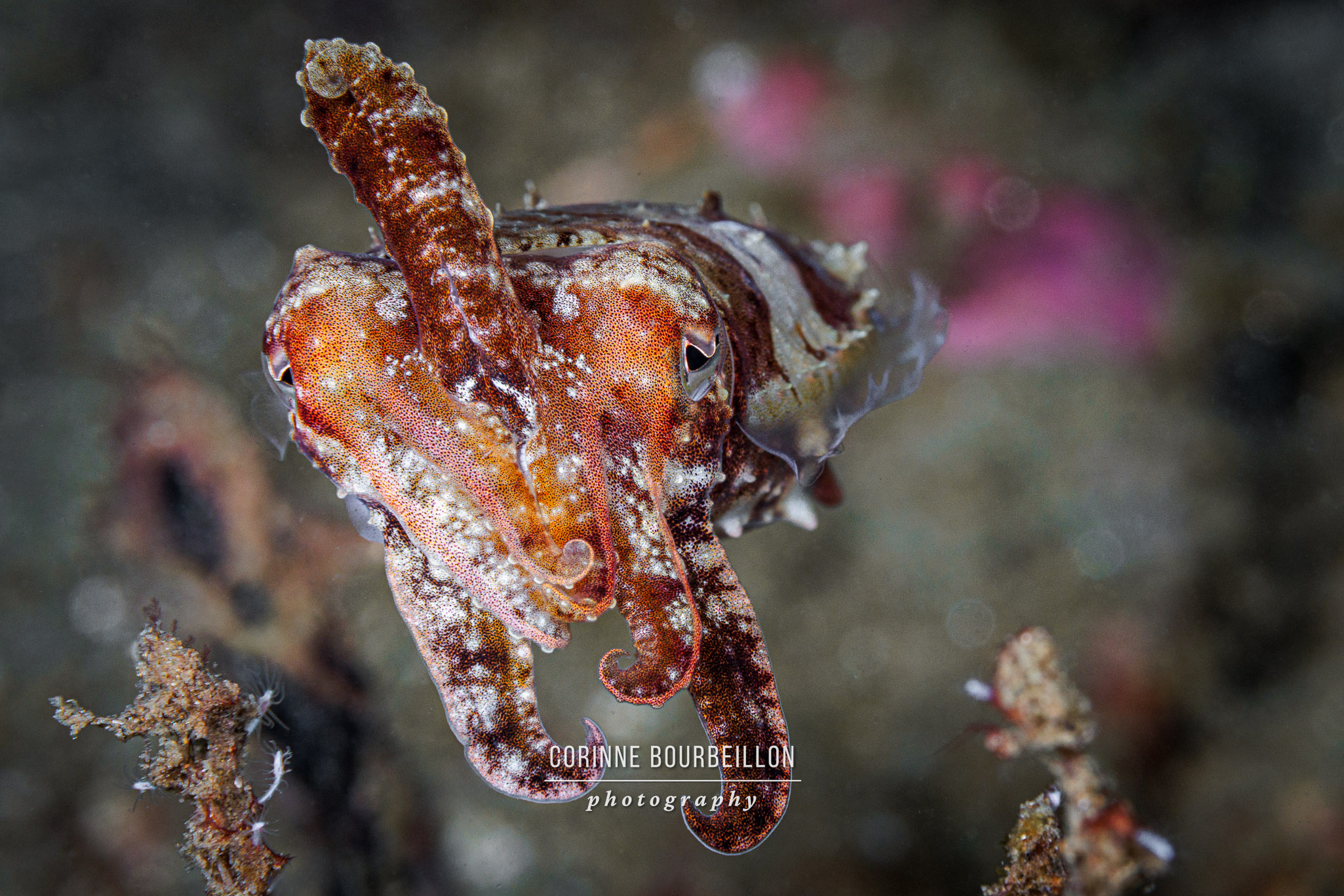
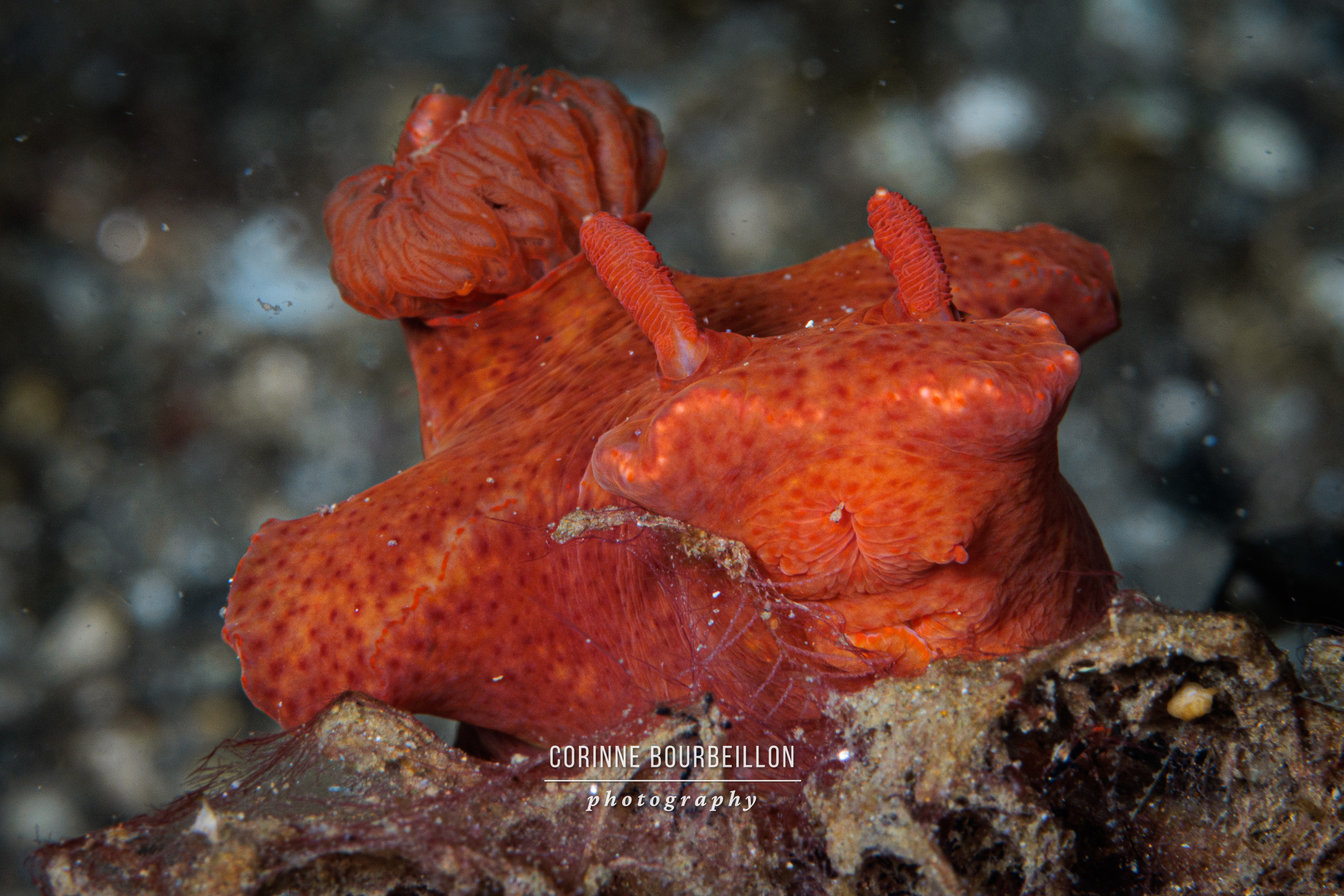
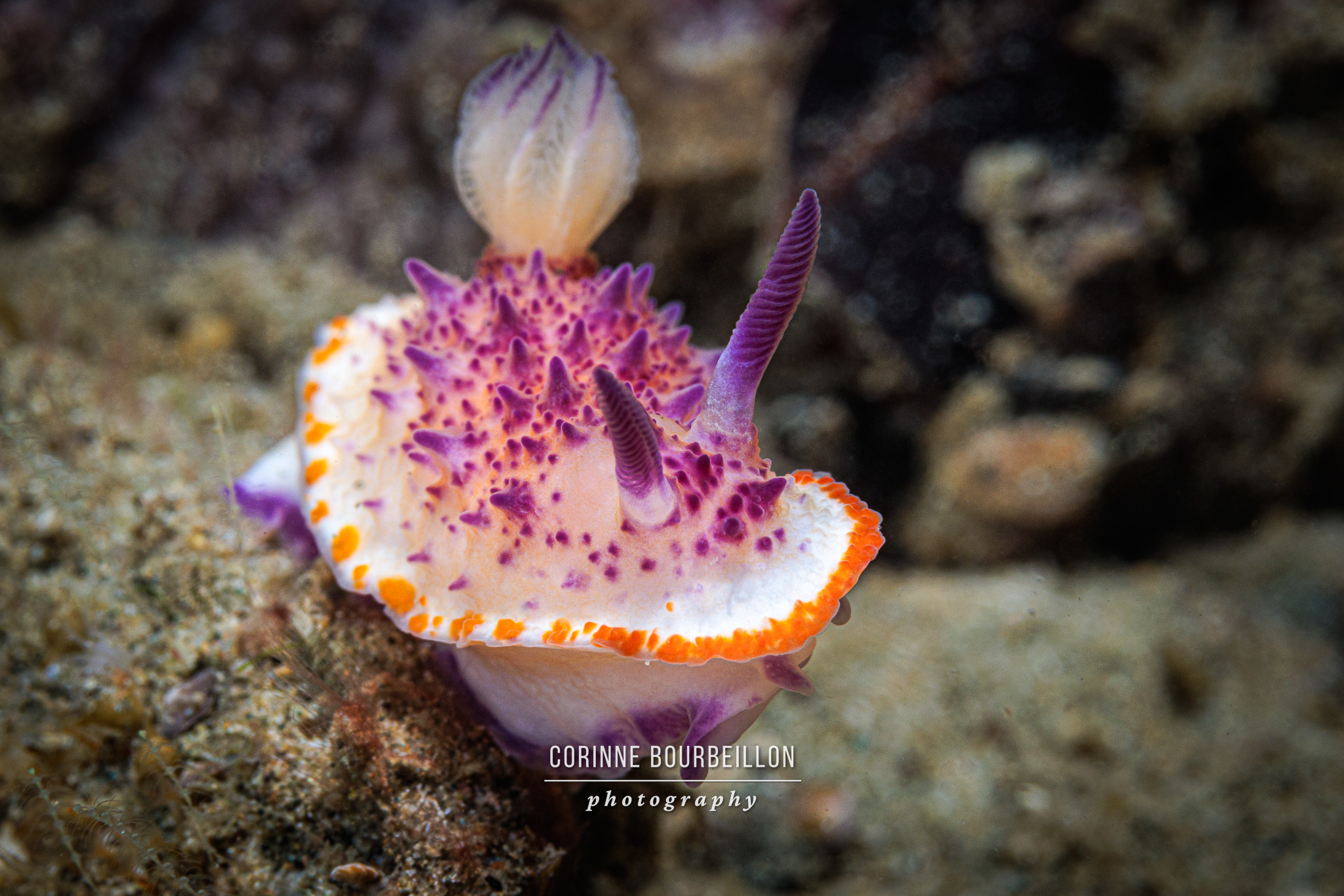
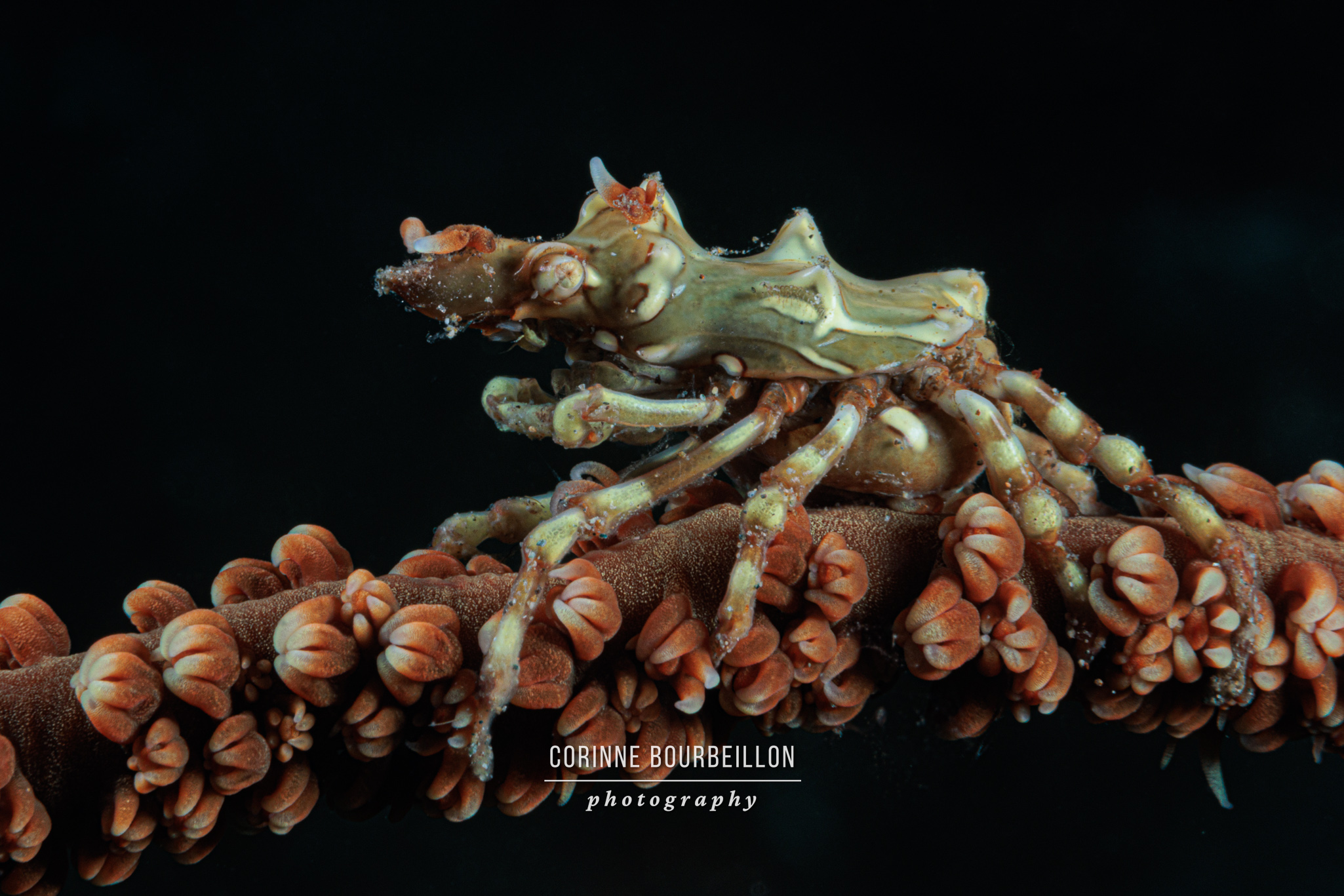
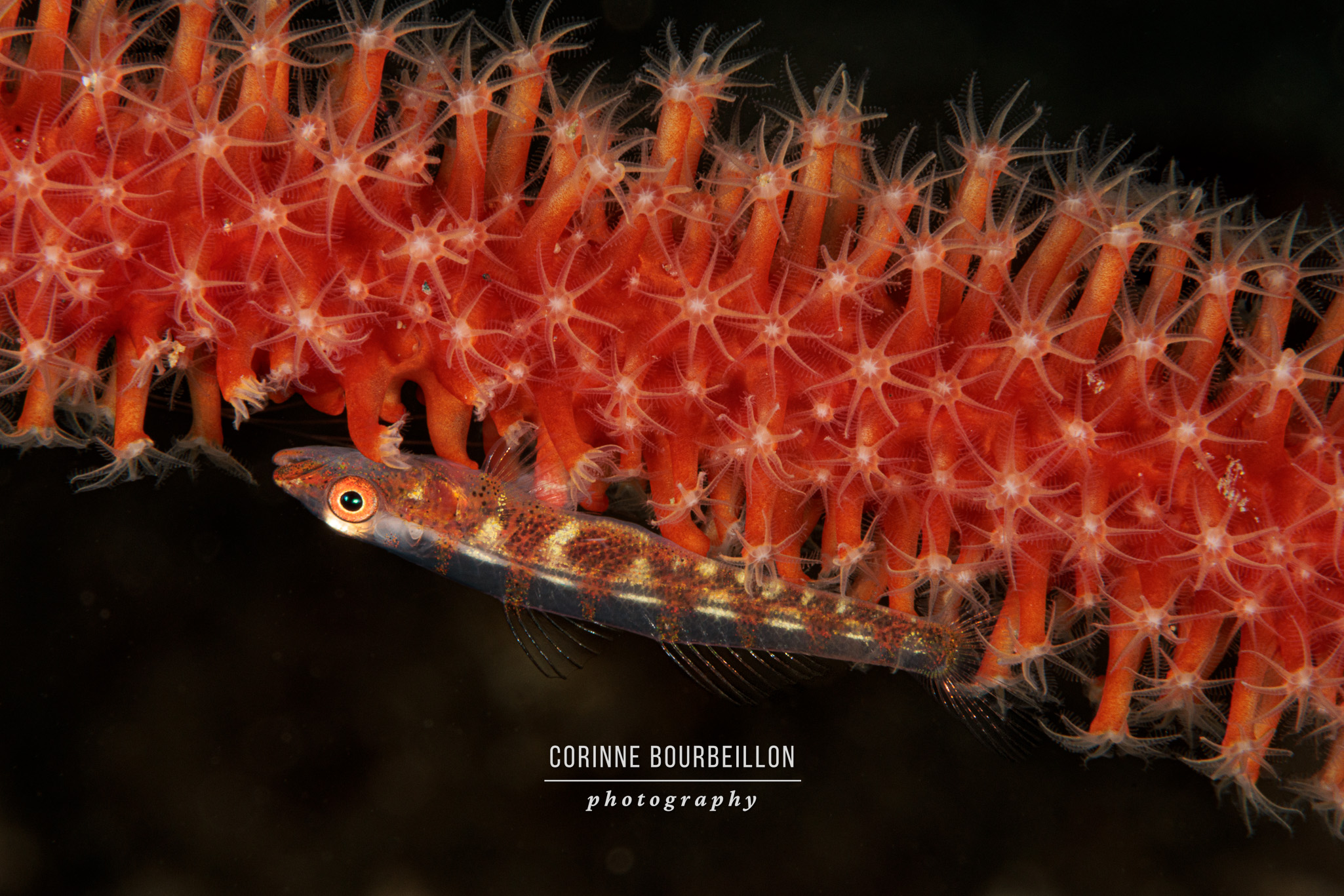
The goal? To uncover a strange array of small mollusks, fish and crustaceans — sometimes tiny and often masters of camouflage. Curiosities of nature that are endlessly fascinating for divers passionate about marine biology and macro photography.
Read more ➜ Dive into another world in the Philippines: Anilao and Romblon
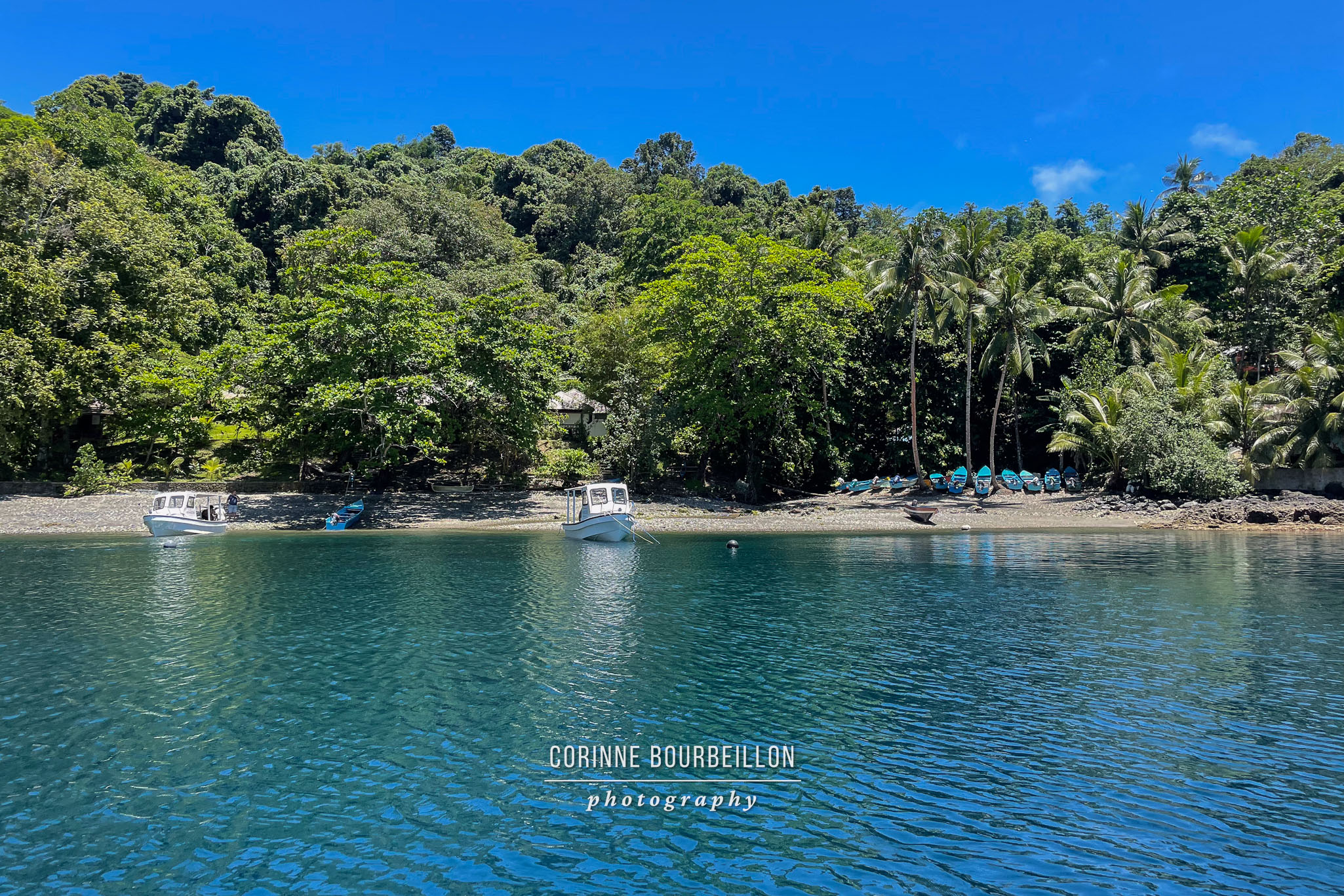
We are staying at Ambon Dive Resort, run by the lovely Mathieu and Sri, a French-Indonesian couple. It’s a charming, diver-oriented lodge, with a handful of hillside bungalows tucked away in the greenery. We’re away from the city of Ambon, near a small fishing village, close to the mouth of the bay. Every day, we head out to explore the dive sites, usually doing two dives, and sometimes three or even four, for the most dedicated among us.
Guides with lynx eyes
At first glance, the underwater landscape of Ambon Bay isn’t all that appealing: the bottom is a mix of grey sand, stones, seaweed and coral debris, with patches of rubbish here and there. Only a few scattered coral “clumps”. Often mediocre visibility.
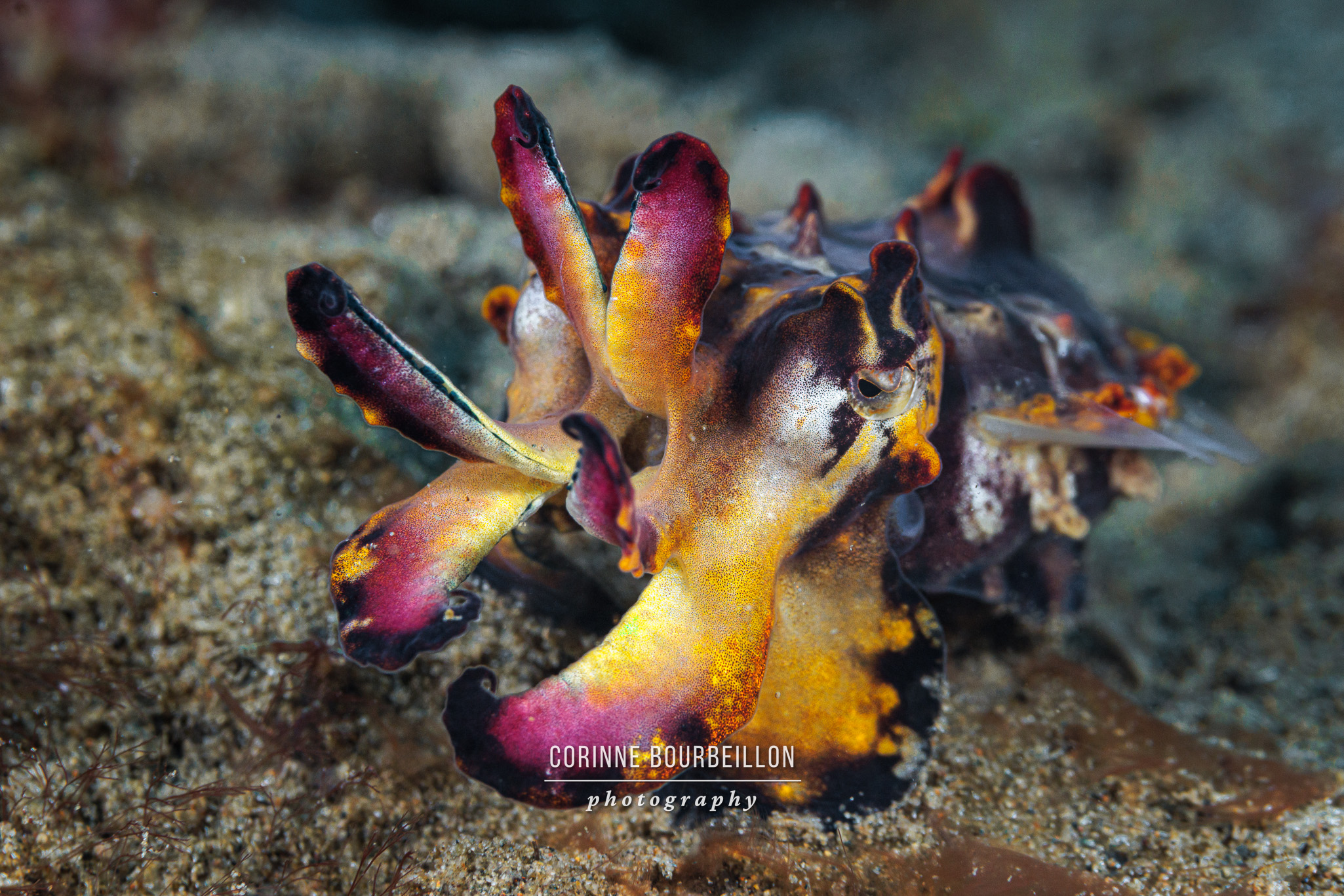
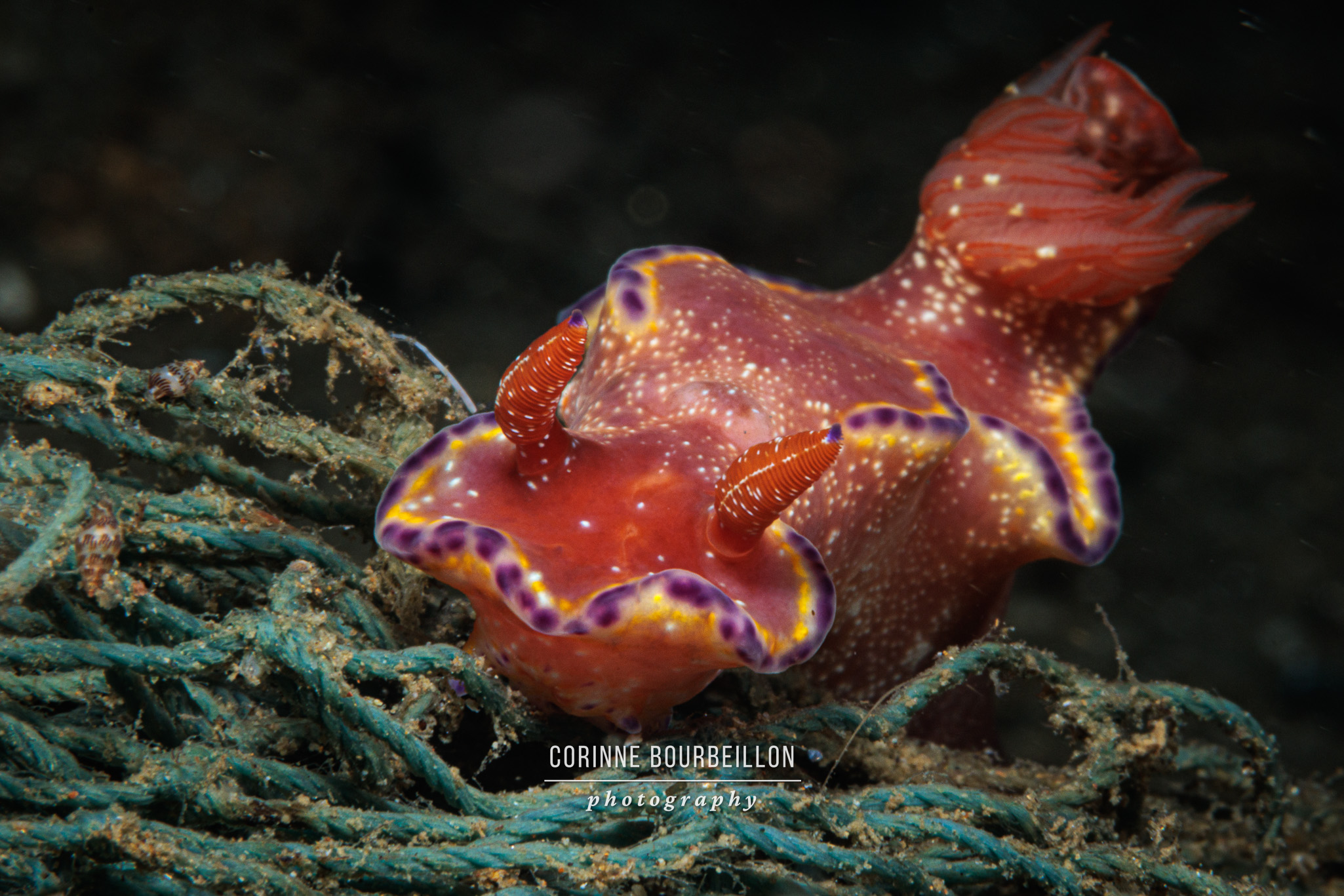
At the beginning, you wonder what you’re doing there. But it doesn’t take long to understand. The sites are teeming with life: nudibranchs, flamboyant cuttlefish, ghost pipefish, scorpionfish, frogfish, bizarre crabs, and unusual shrimp… Little critters measuring from a few millimeters to a few centimeters, often impossible to spot if you don’t know where to look.
Lucky for us, we can count on the lynx-like eyes of our Indonesian guides Iwan, Benito and Anga. Without them, we would have missed almost all these wonders! The success of a muck dive largely depends on the guide, their spotting talent, their knowledge of the site and the fauna, and their ability to communicate underwater to draw our attention to discoveries.
After that, to bring back images, you need lots of patience and passion. You must know how to swim near the bottom without kicking up clouds of sand with your fins; approach your subject without scaring it; frame and focus with millimeter precision despite the current; angle your strobes well; and press the shutter at precisely the right moment…

Plastic pollution
Day after day, we’re delighted by the richness of the bay, despite the sad sight of plastic pollution. A plague in Indonesia, particularly visible in Ambon.
It’s no surprise, I knew what to expect. The city of Ambon, capital of the Moluccas, has grown along the coastline around the bay, with a high population density (the urban area was estimated at over 600,000 inhabitants in 2025). Waste collection and processing are notoriously insufficient.
As a result, tons of trash are discarded into the environment, wash into rivers, and accumulate along the coastline. To this is added the debris carried by ocean currents, which washes ashore with each tide.

The problem is well known, and the solutions are complex to implement. Recent initiatives include the French scientific vessel Plastic Odyssey, which made a stopover in Ambon in June 2024, to raise public awareness. The local government, for its part, announced in November 2025 the deployment of a small fleet of boats dedicated to the daily cleaning of the bay, as well as a strengthened cooperation with the Swiss association The SeaCleaners. These measures at sea are intended to complement a vast waste management program on land. These efforts are a step in the right direction, but significant resources and time will likely be needed before the situation improves…
In short, for “normal” tourists and divers who do not practice muck diving, this side of Ambon might not seem very appealing. Yet this bay, still very rich in biodiversity, continues to attract marine biologists and naturalist photographers, for whom it remains a fabulous playground.
A psychedelic dream
Upon arrival, we had a somewhat naïve dream, a hope: “Do you think we will see the psychedelic frogfish?” An animal as strange as it is rare, spotted here in Ambon Bay in 2008 and, to date, never observed alive elsewhere.
Recognized in 2009 as a new species, this fish belongs to the Antennariidae family and has the scientific name of Histiophryne psychedelica. Since then, very few divers have had the chance to admire its funny flattened face and psychedelic welts.
Our repeated questions about the psychedelic frogfish make our Indonesian guides laugh. They don't want to discourage us, but it's been a long time, “several years”, since anyone has seen one in Ambon Bay. But “you never know”...
No need to drag out the suspense: none of us will see it! But there's plenty of other “psychedelic” critters to photograph.
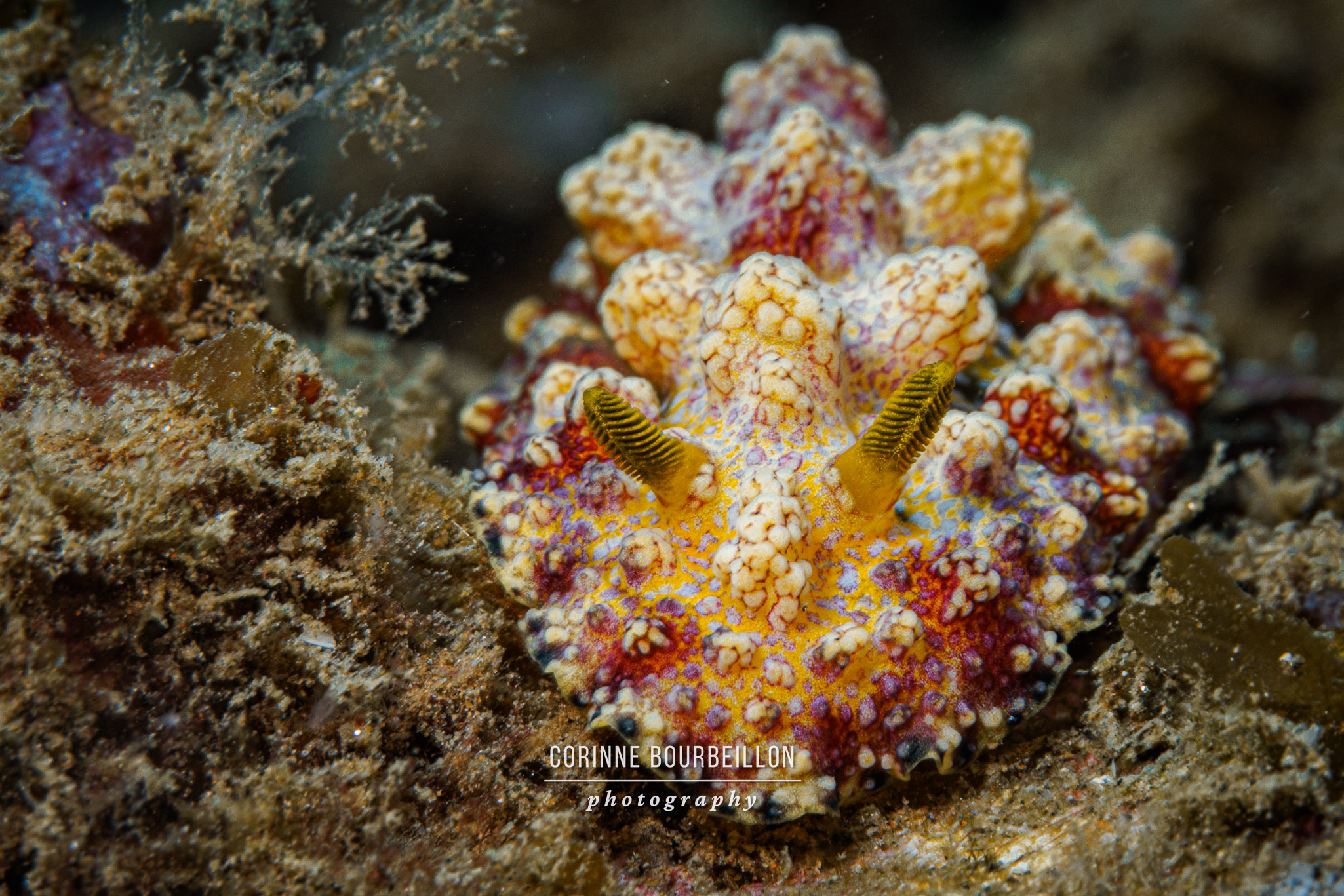
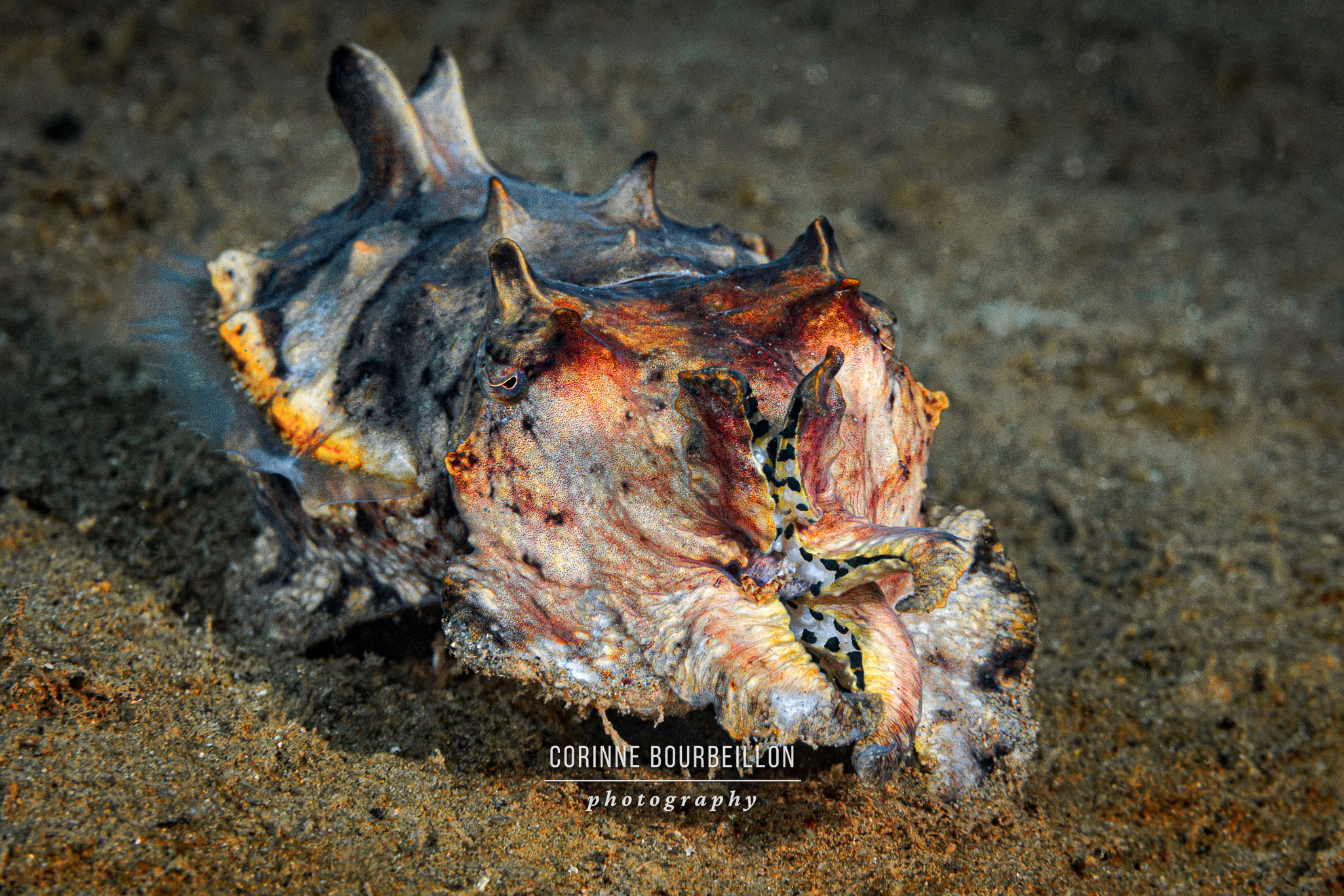
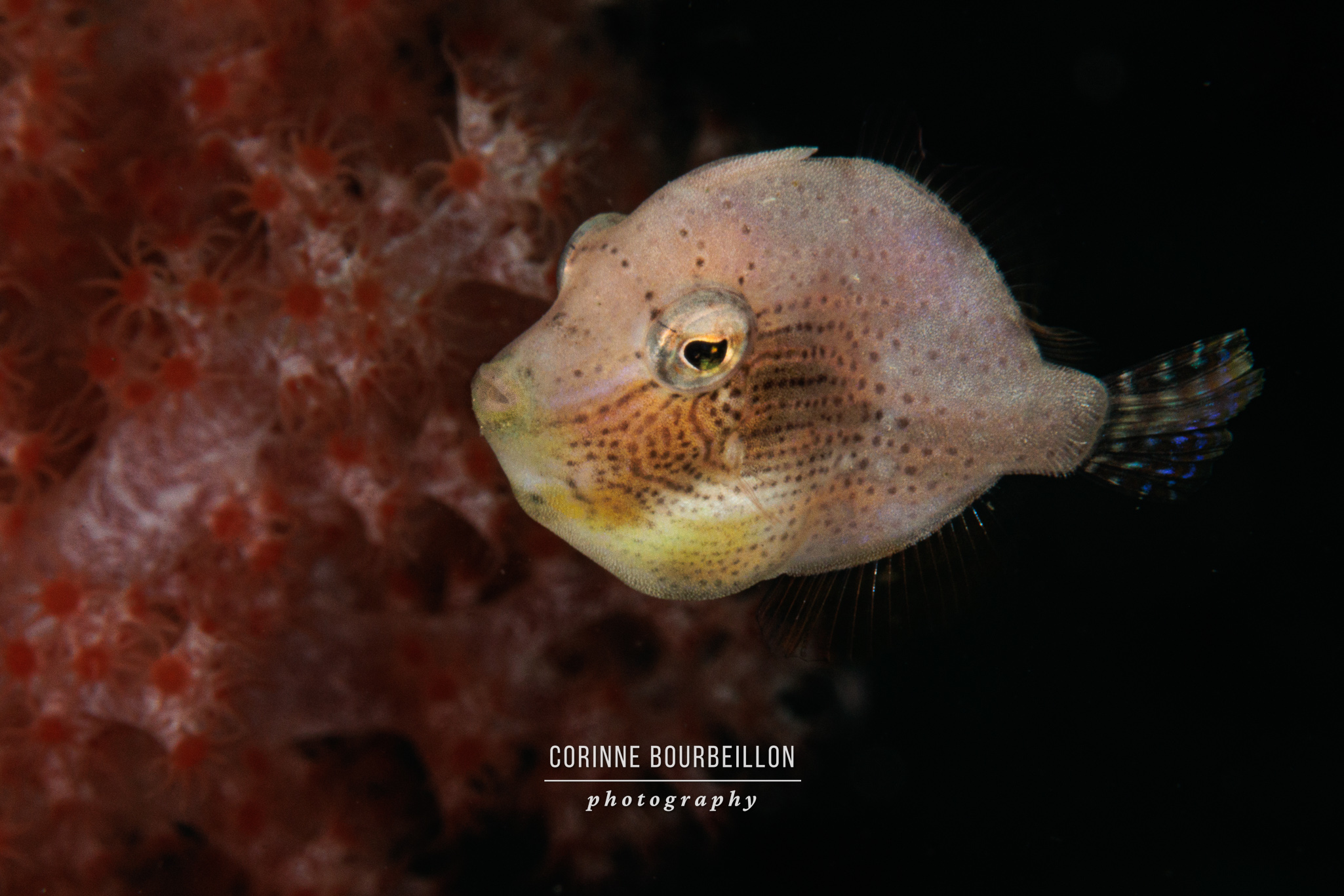

In the evenings, we extend the pleasure by screening a selection of our images under the expert yet friendly eye of Steven Weinberg, a marine biologist well known in the French-speaking diving community for his species identification guides, true reference works. What could be more convenient, when trying to put a name to a little critter, than having “the” Weinberg in person right there with us?
Coral reefs
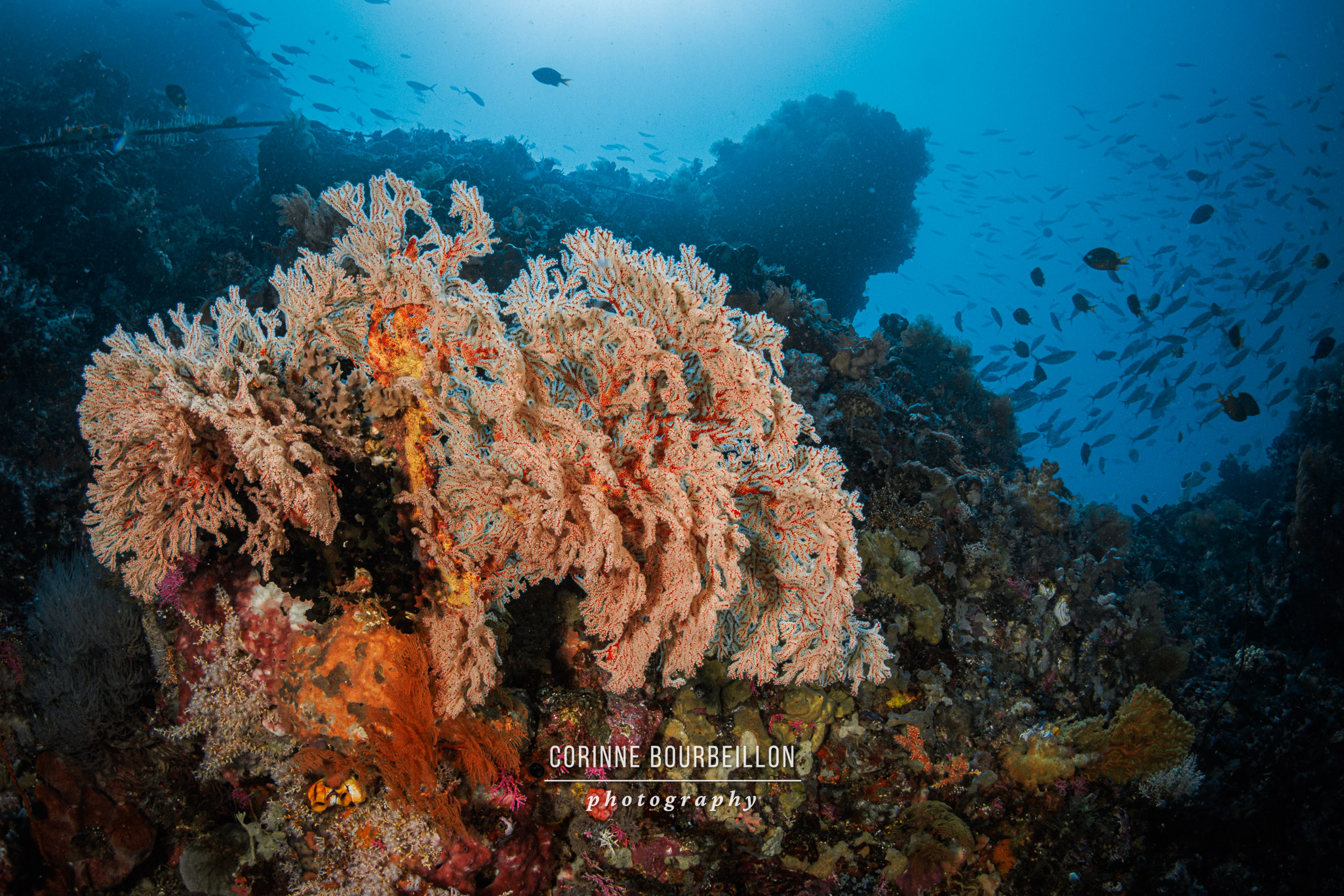
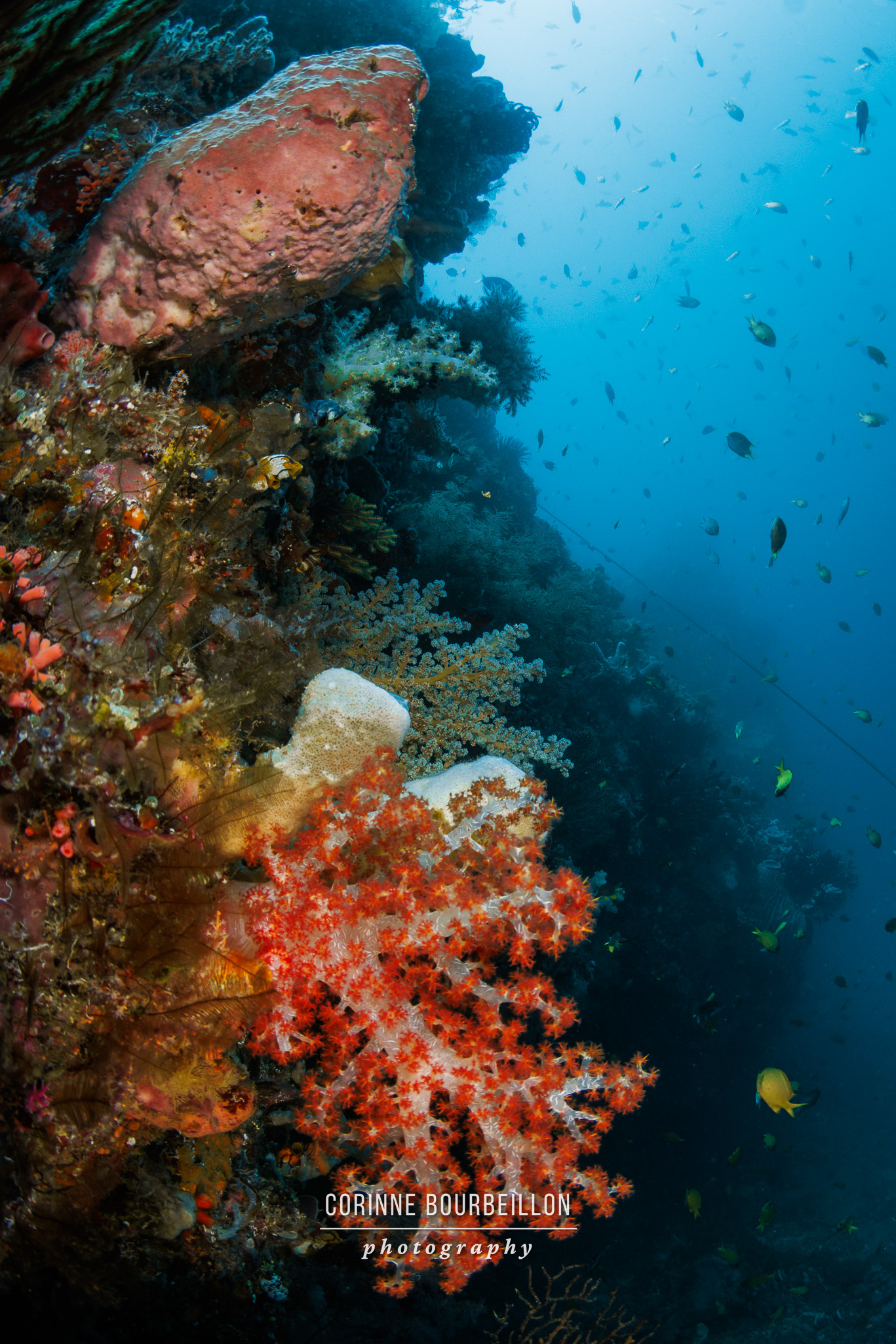
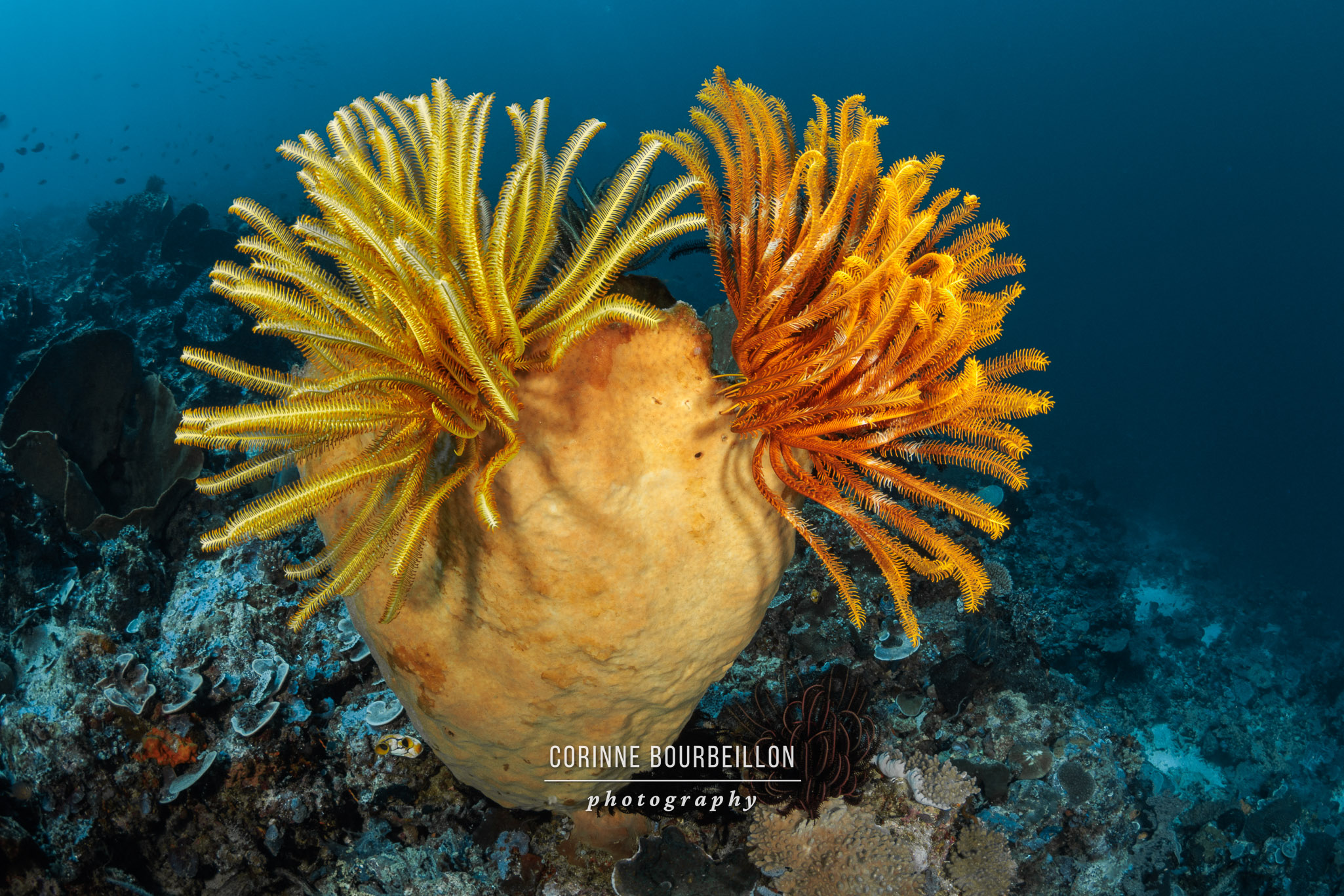
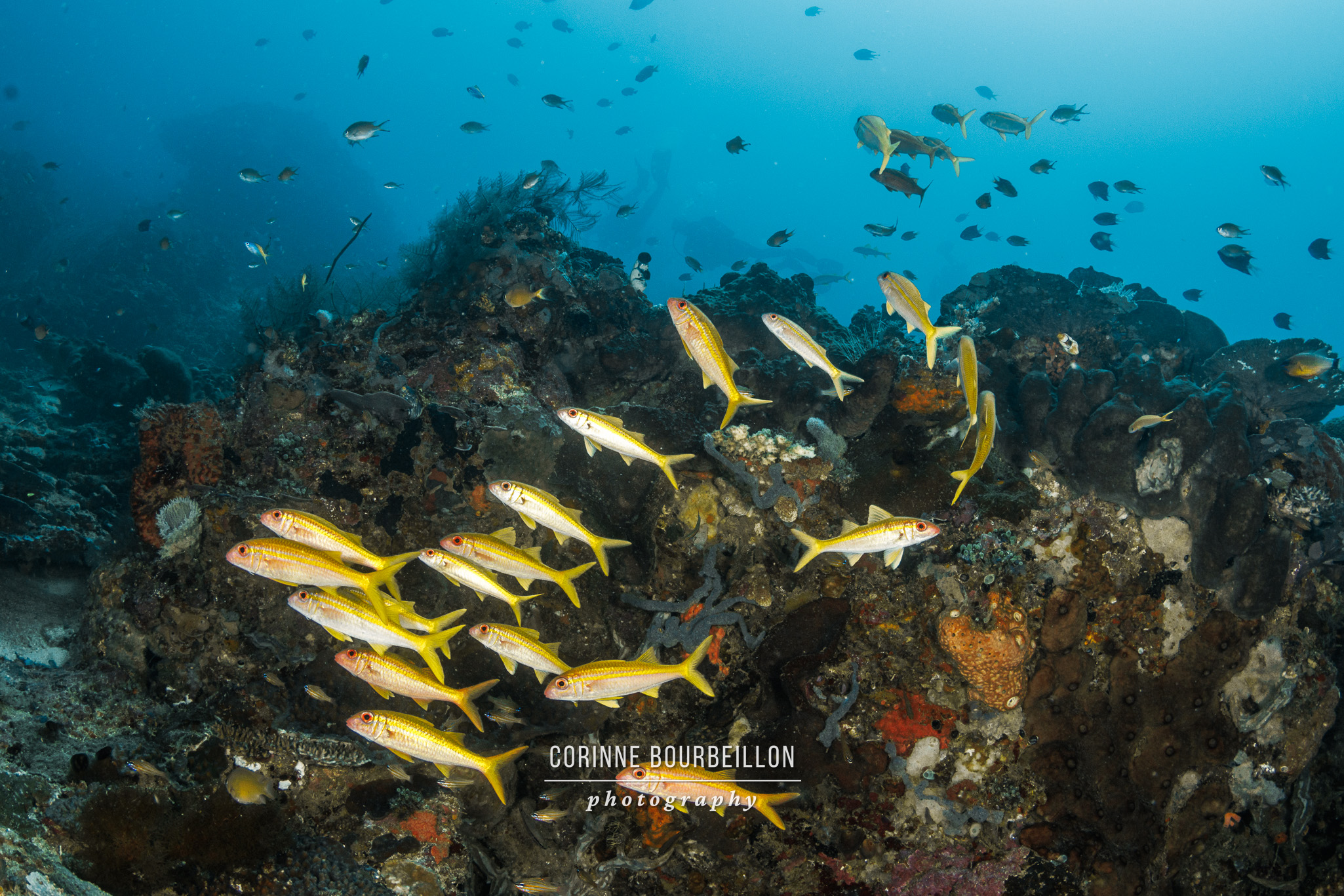
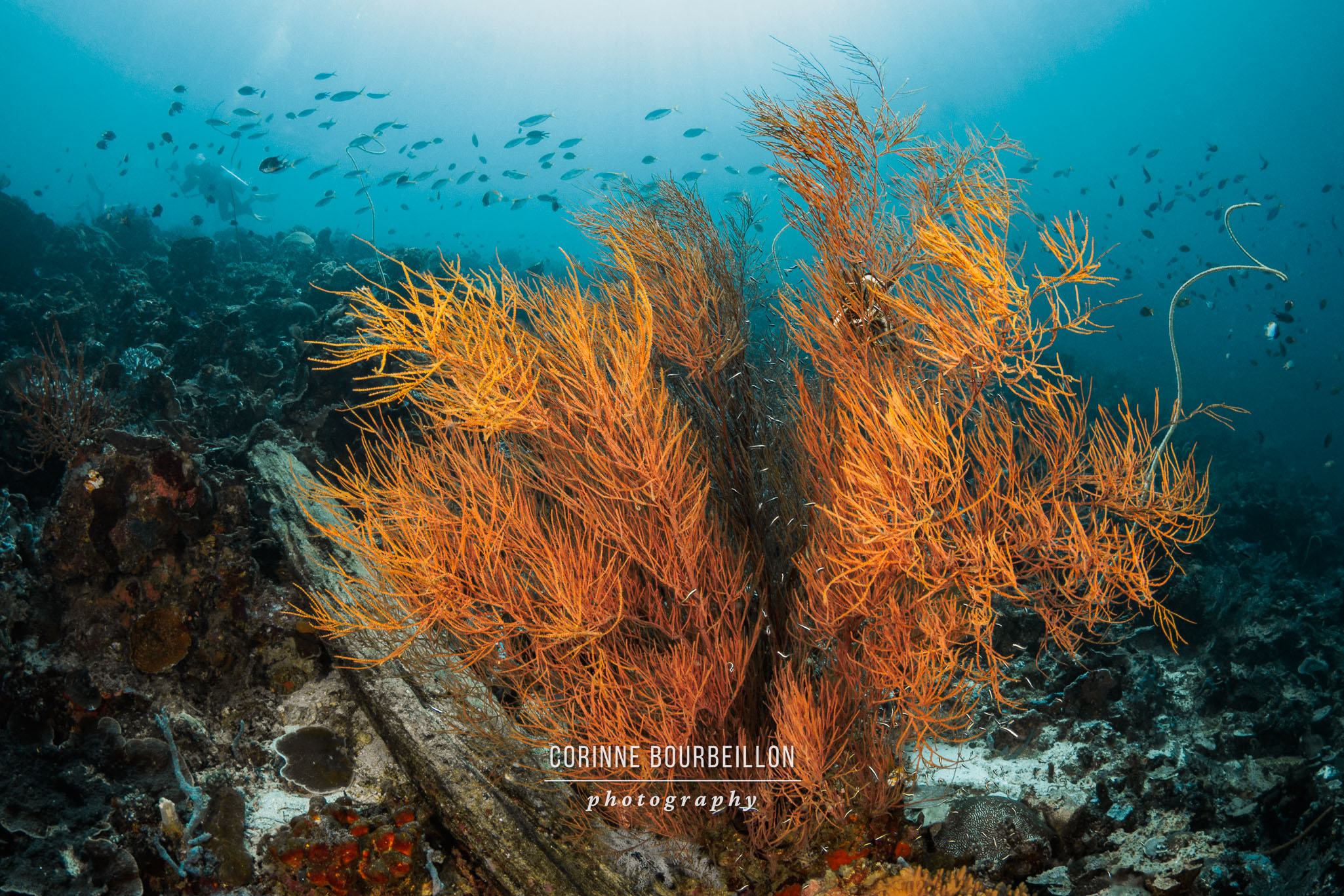
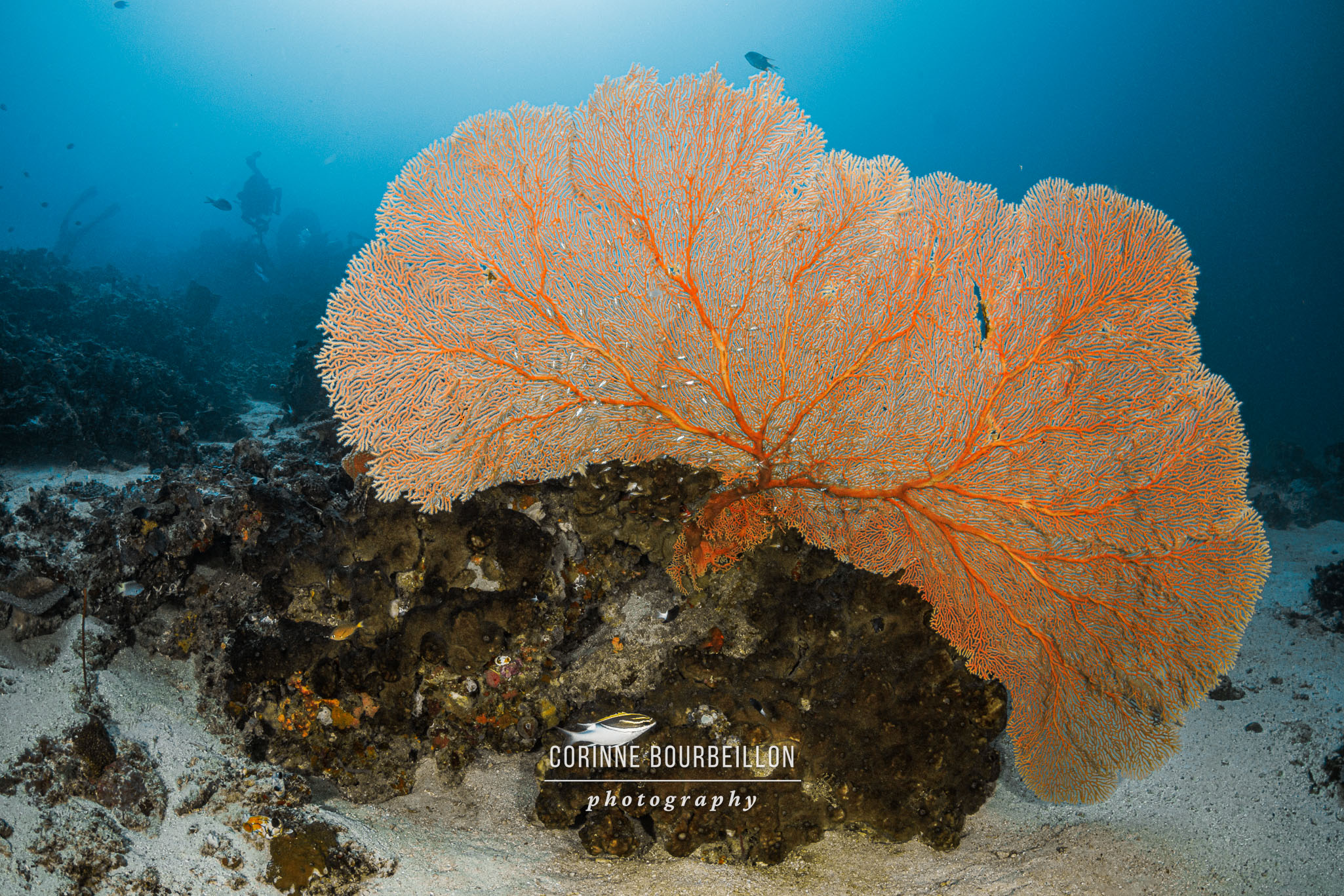
For “classic” tropical diving in Ambon – coral reefs and schools of fish – you need to venture outside the bay. But these trips are the exception rather than the rule, because of longer navigation time and the need for favorable swell and weather conditions.
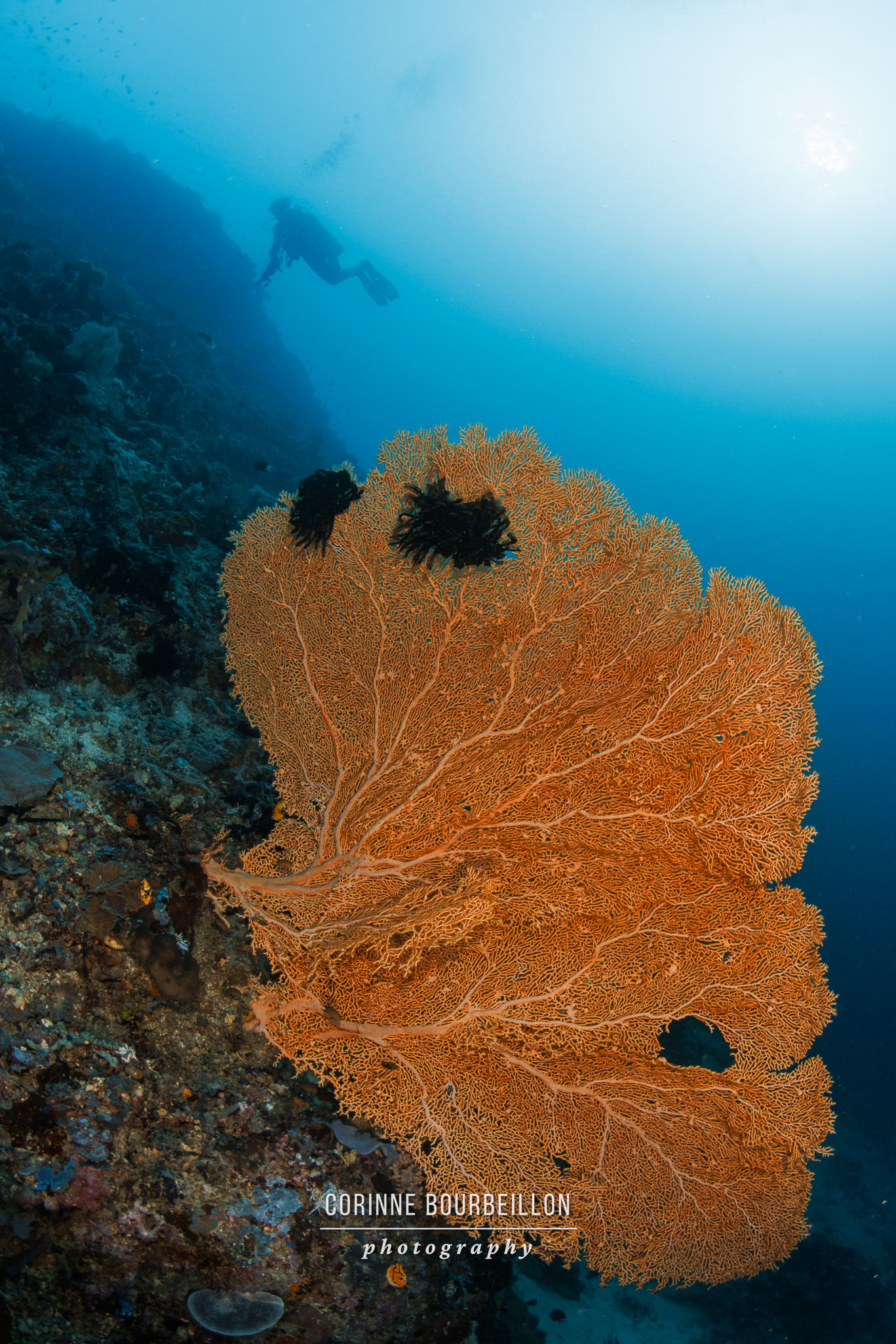
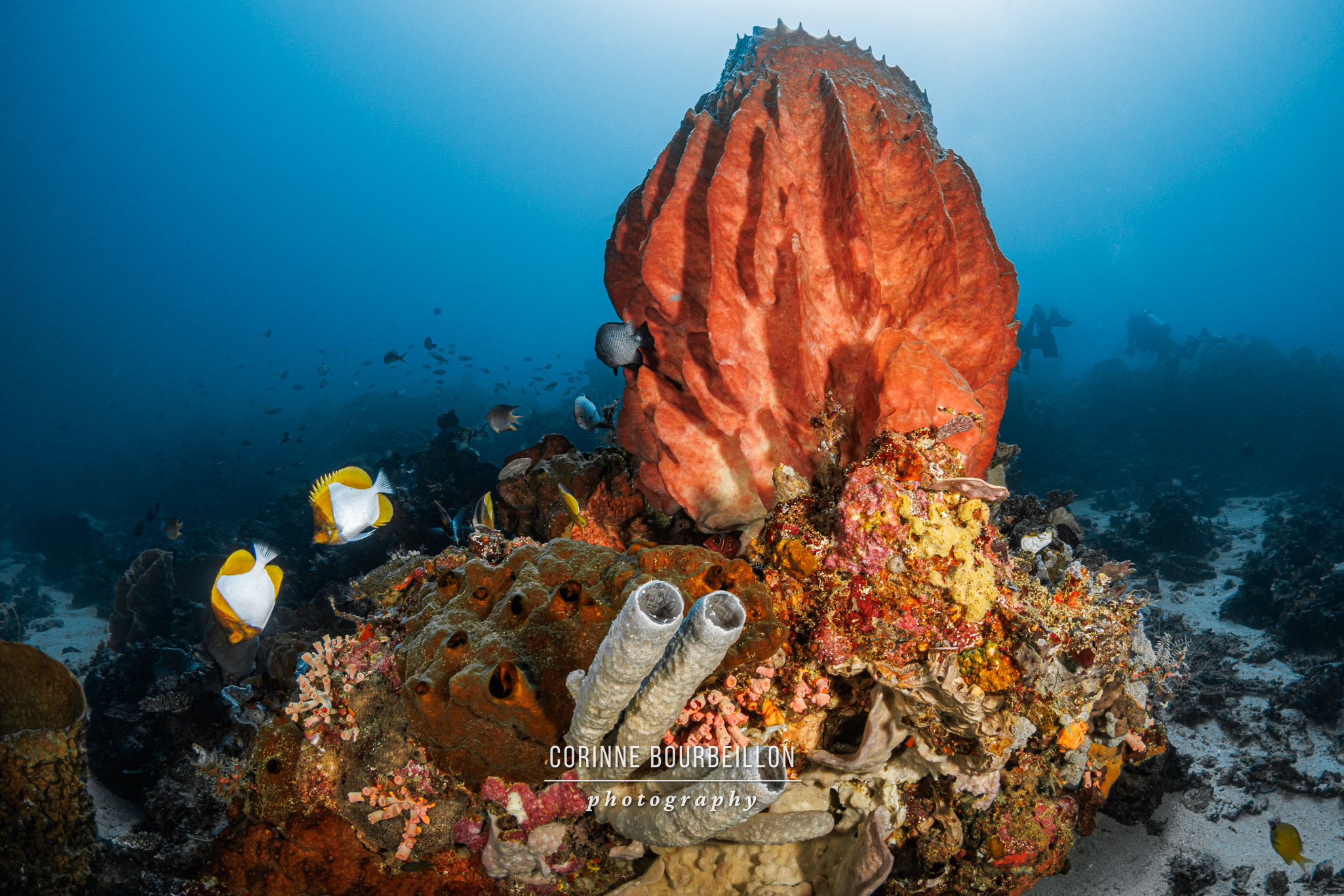
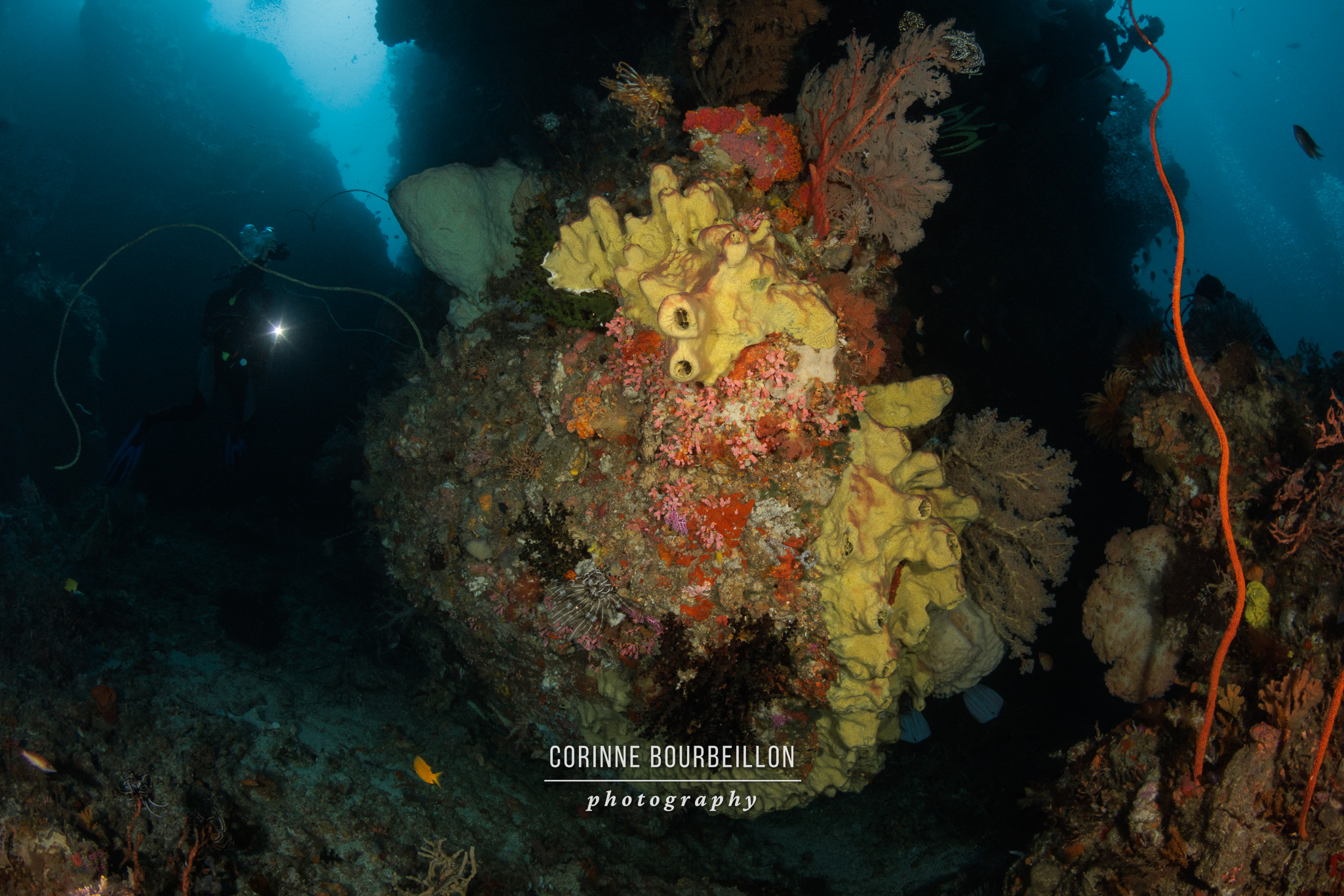
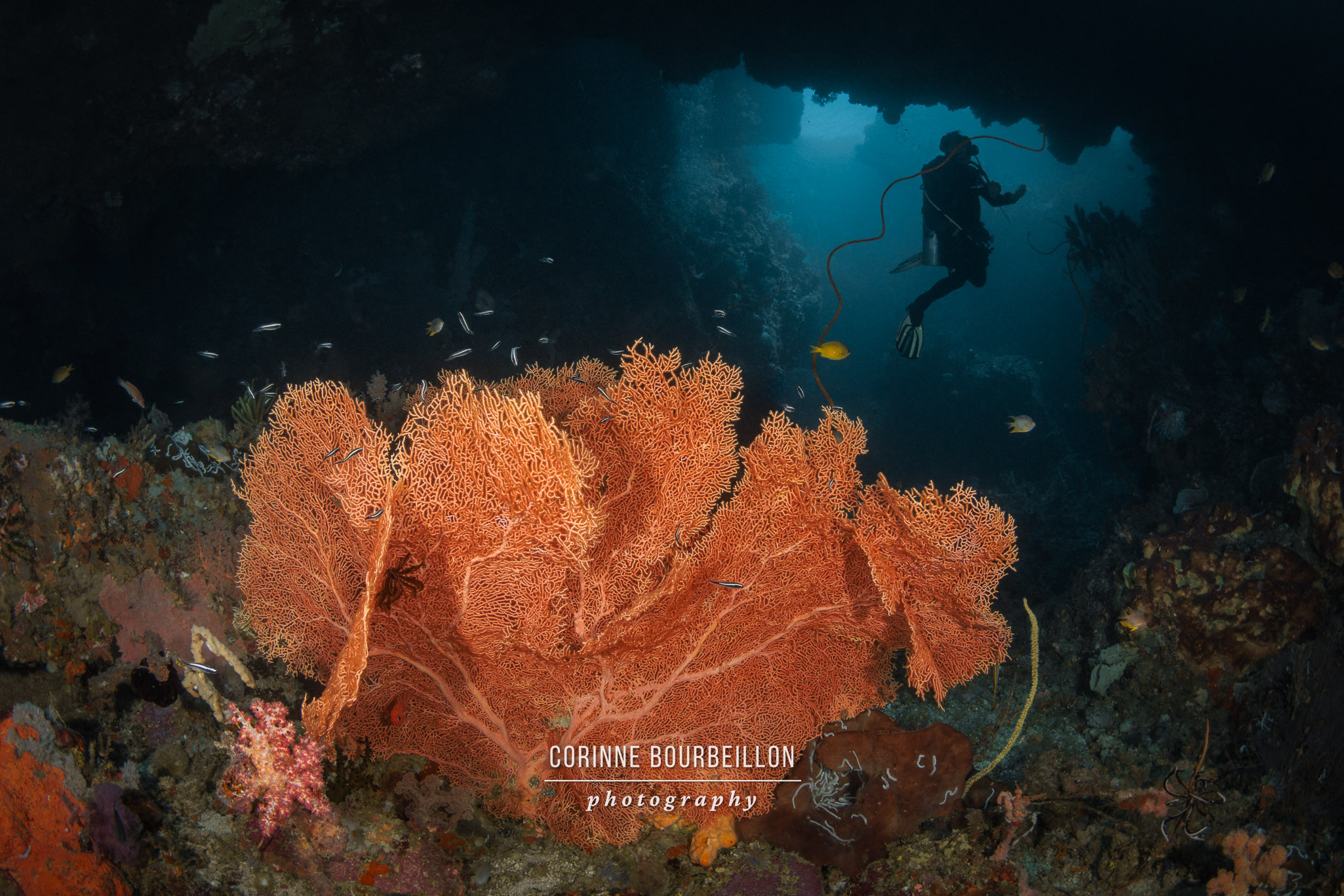
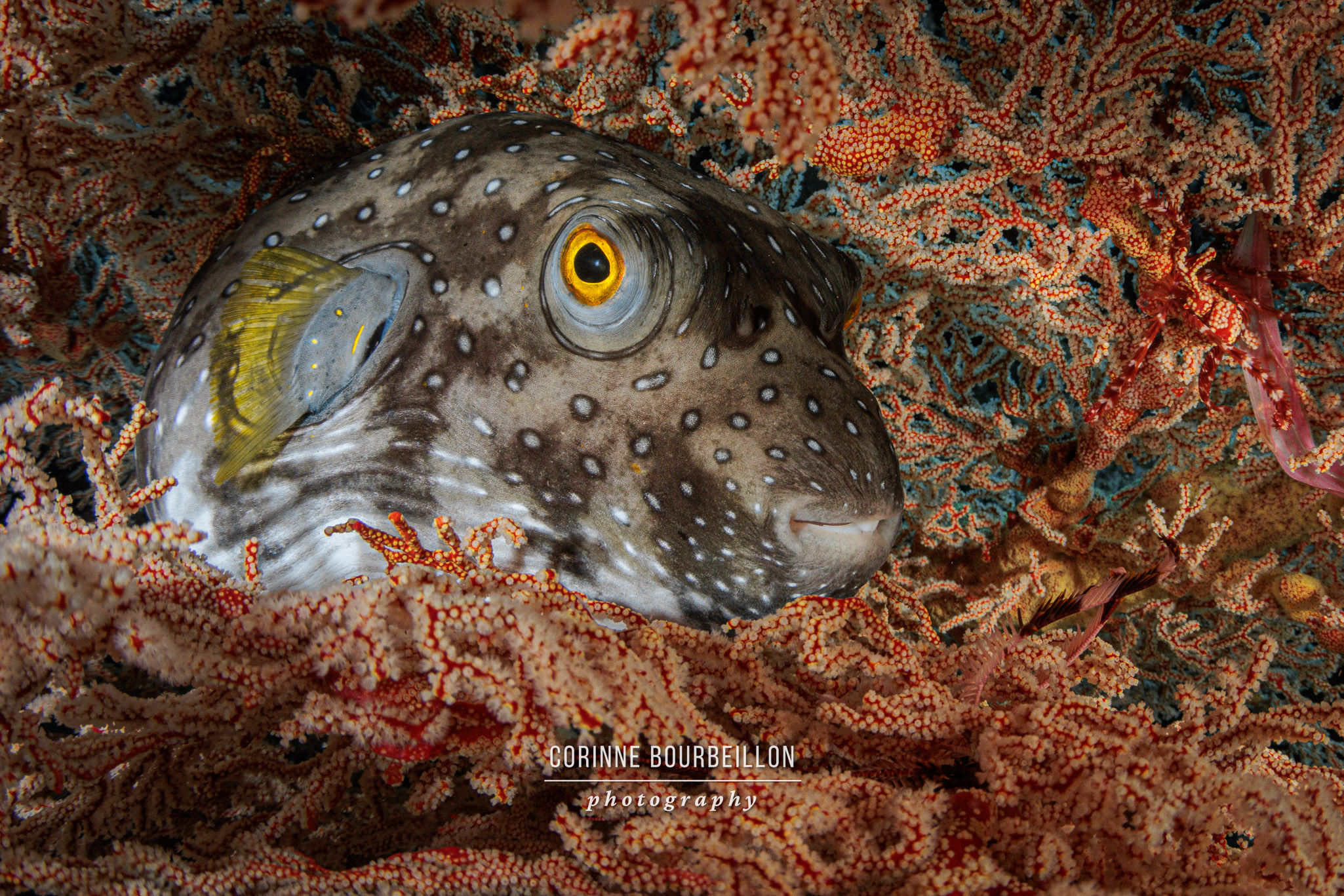
So I switch to my wide-angle setup for these dives – fisheye lens and dome port. These are beautiful ambient dives, offering a welcome change of scenery between two muck dives. One of the most beautiful is through a cave lined with large sponges and colourful gorgonians, with wide underwater arches opening onto blue. Splendid!
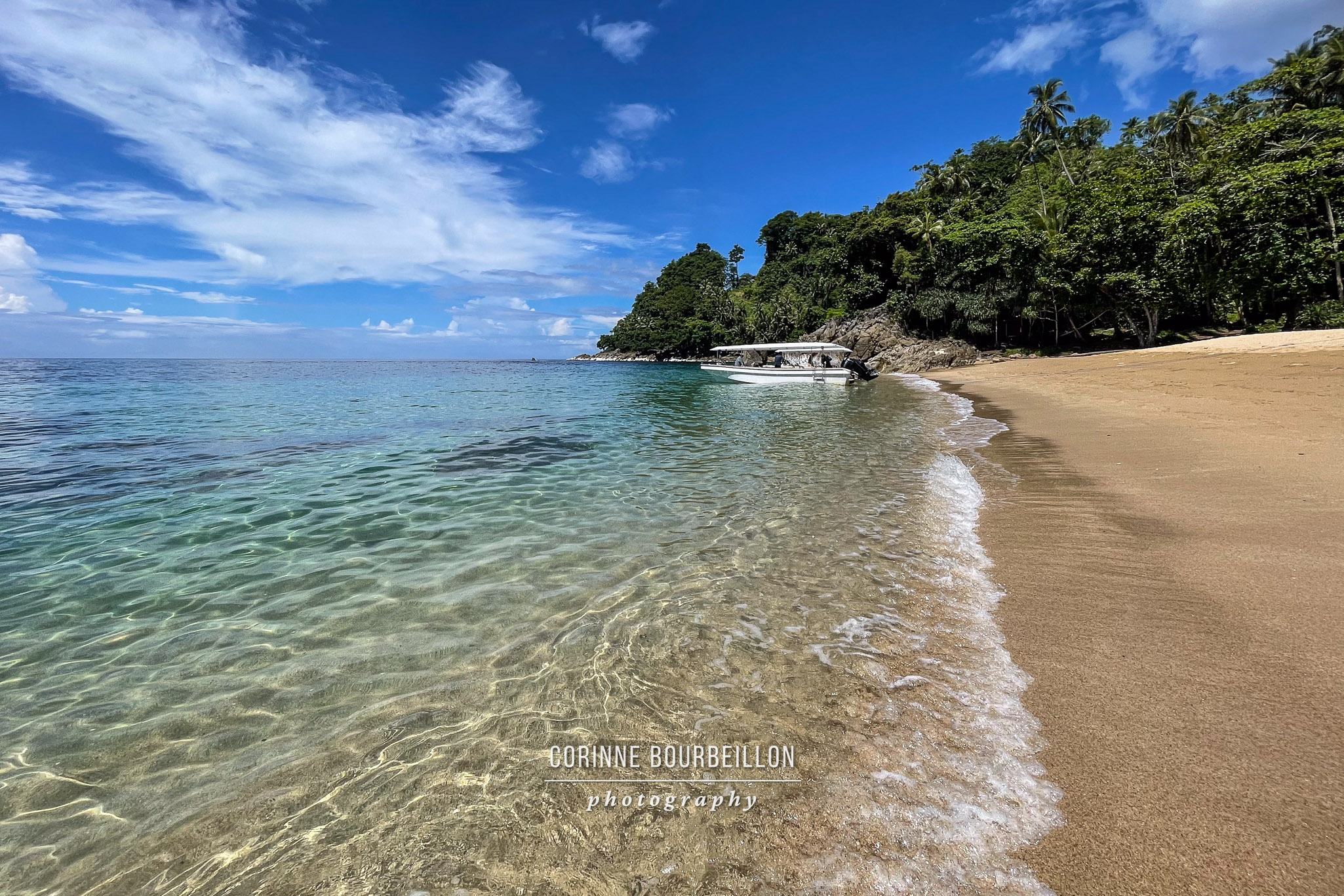
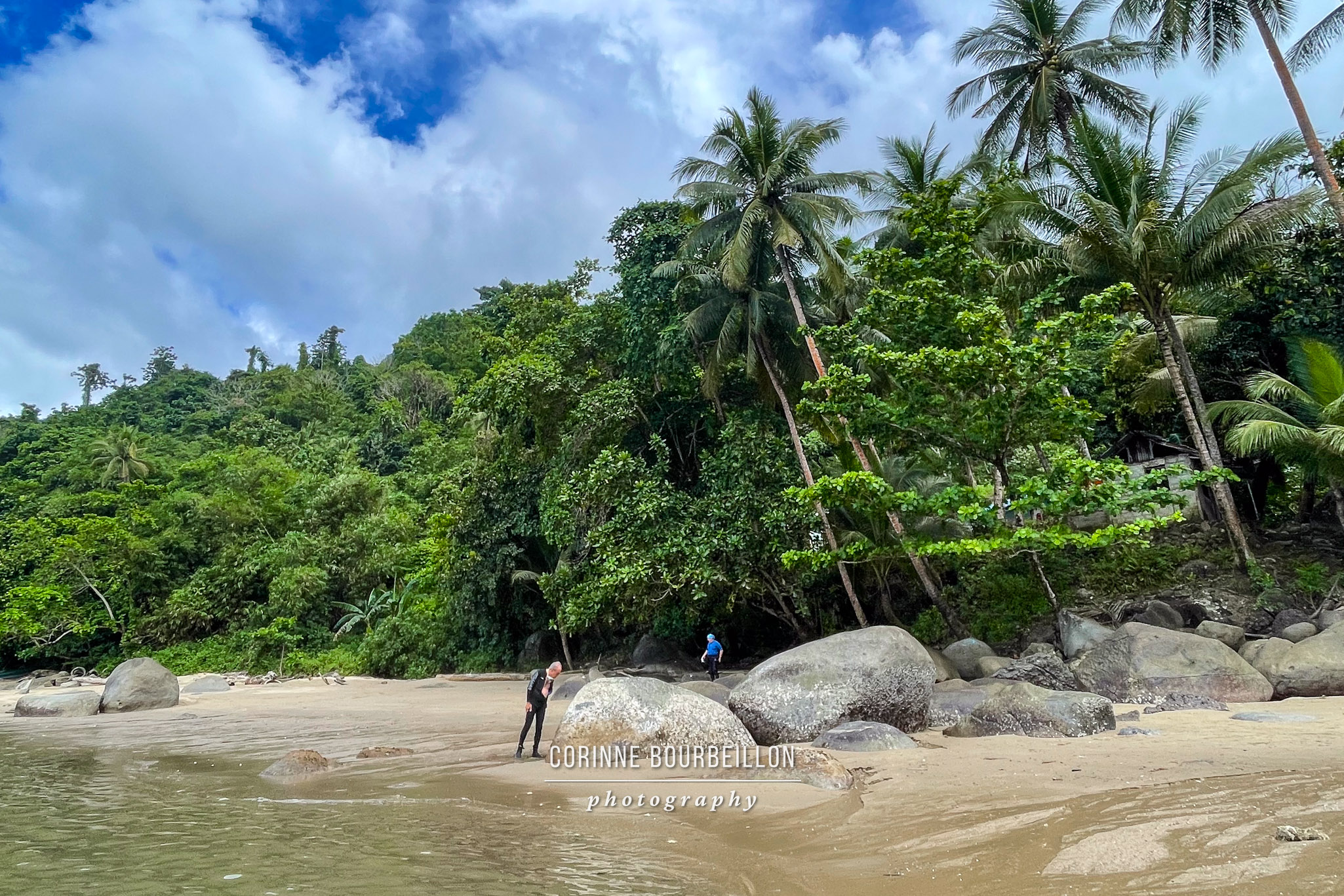
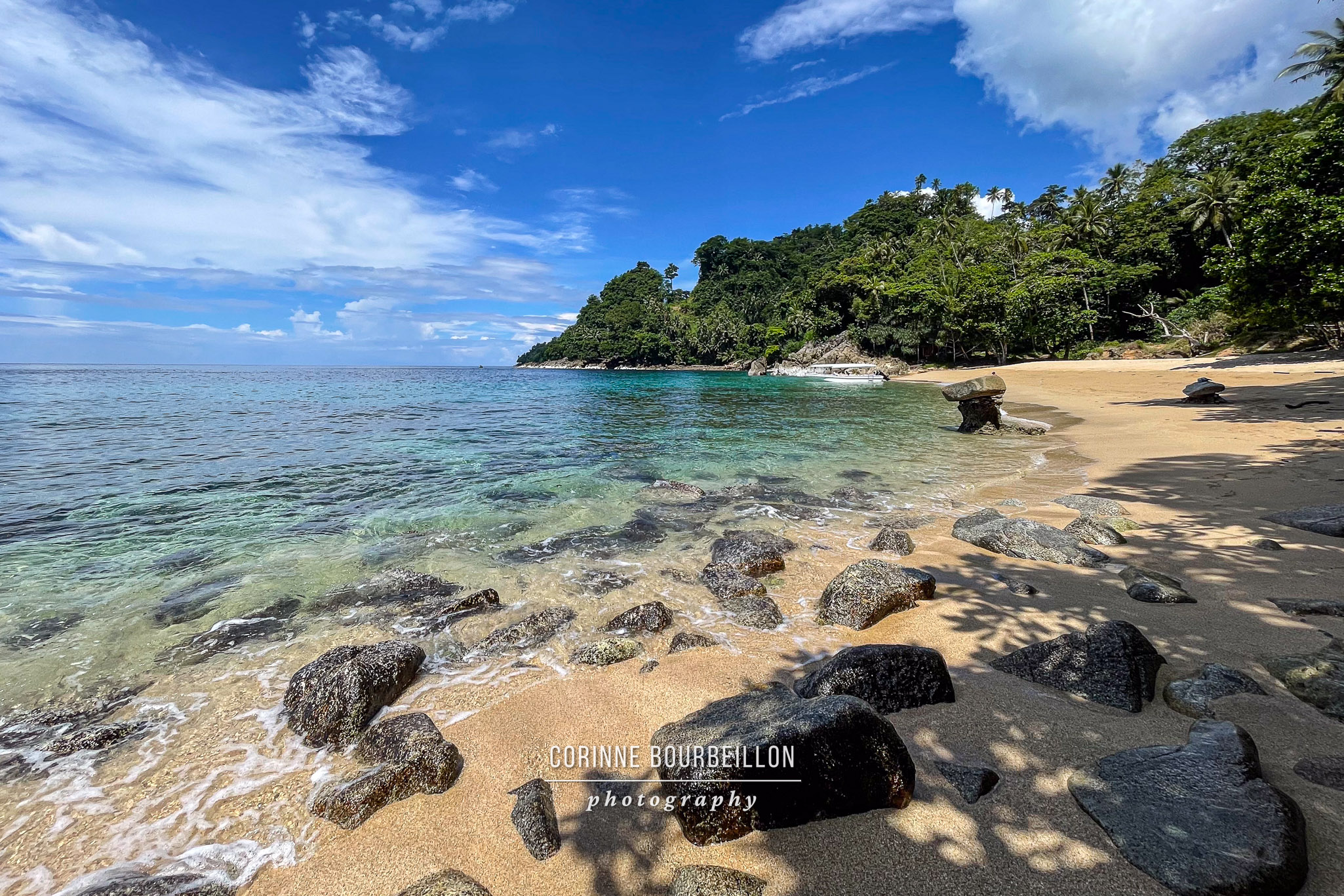
It’s also an opportunity to discover white-sand, postcard-perfect beaches during surface intervals, for tea and biscuits. A small glimpse below…
After Ambon, I returned to a small island where I had been several times in the past, before the Covid pandemic: Bangka, in North Sulawesi. I'll share that story in an upcoming post... 😎


Your photos are still sublime! We spent 2 weeks in Laha (opposite Ambon) in 2015 (https://www.ontheploufagain.com/avril-2015-laha-10-jours-au-sein-de-la-mecque-de-la-muck/) and our thoughts are reflected in your article. But there's no denying it, after the muck, what a pleasure to be back in the blue and the coral reefs.
Bravo again, as always.
Isa and Marco
Your photos are always so beautiful! Bravo...
We spent 15 days in Laha, opposite Ambon (a small town we really enjoyed). https://www.ontheploufagain.com/avril-2015-laha-10-jours-au-sein-de-la-mecque-de-la-muck/
and find our emotions, questions and curiosities in your article.
We didn't have the chance to discover the beautiful beaches you mentioned, because on the Laha side, it's all black sand and garbage cans...
What a pleasure to return to the blue of the Banda Sea!
Can't wait to read your article on Bangka, another little gem we were lucky enough to discover in 2009 on a cruise to the Sangihe Islands (https://www.ontheploufagain.com/nos-albums-photo/indonesie/indonesie-sept-a-dec-2009/indonesie-2009-resume-en-images/indonesie-2009-4-nord-sulawesi/)
Isa and Marco
@Isa and Marco: Yes, we often went diving at Laha 1, 2 and 3... They were located on the other side of the bay from our resort, a short crossing of about 10-15 minutes. Our surroundings were much nicer and cleaner (despite a few tide-related groundings) than on the Laha side... After that, it was a great pleasure to rediscover Bangka. My previous stories are here ➜ Bangka (and I realize I must be missing one or two more stays I'd made there in the list of posts, my blog isn't exactly an exhaustive journal). Anyway, I'll tell you all about it soon! 😉 Thanks for your message!
It's been a long time... The photos are always very well taken and allow non-divers to discover an unsuspected world. Some of the little creatures look particularly attractive, and their colors certainly speak for themselves. Thank you Corinne for this beautiful underwater journey and I wish you all the best for the future.
@Sarah: many thanks, very touched by your comment. I try to speak to everyone, divers and non-divers alike, by recounting my little underwater adventures 😎
Thank you Corinne for coming back to us. It's with great pleasure that I look at your superb photos.
I don't travel so much anymore and haven't been diving for a long time, thanks for doing it for me..... can't wait for the next post and all the best, Anne
@Anne: thank you very much, I'm glad I made you travel and dive through the screen... 😉
You must have enjoyed it! ! !
@JF: totally! 😅
I really enjoyed it! Great pictures! Thank you so much!
Steven Weinberg: many thanks, dear «partner in crime»... 😉
Photos and commentary worthy of years gone by. It's good to see you back on your site. I've been following you for many years and I draw a lot of inspiration from your comments for my travels. Thank you
@Gervasoni: and it's very kind of you to have taken the time to leave this sweet message. Delighted to be a source of inspiration for your travels 😎
It's always a pleasure to follow your adventures.
@ François: thanks, I'll try to revive the blog more often, then 😉
The tiny animals in the depths of Ambon are fascinating. Poetic and touching. What photographic skill, bravo Corinne! ❤️
@Claire Thévenoux: I too was very touched by your message, thank you very much 😘
First of all, thank you for this beautiful and true photo report Corinne, yes Ambon is a dream place for muck, I was lucky enough to spend 2 weeks there in November 2024 and I'm going back in March. The photos are incredible, a real treat. There are also fantastic night dives, and the big wall with its multicolored gorgonians and sponges, on the right of the bay, is breathtaking. Sincerely Syssy
Sylvinne: I'm delighted that my little report has brought back fond memories. Enjoy your stay!
Hello Corinne,
The photos are absolutely stunning!
Well done to you,
Patrick
@Patrick Moreau: thank you very much! 🙏
Hello Corinne.
Your Ambon Bay bugs are magnificent, I've been thinking about going to the South Mollucs for ages! I'll be doing it in 2026, as your pictures have pushed me to do so ;-). And since I'm commenting on your blog for once, I'd like to take this opportunity to congratulate you on your recent exhibition, which your underwater images well deserved. I look forward to meeting you one day, other than virtually...
Pierre Poilloux
@Pierre Poilloux: what a nice surprise to discover your comment! 😊 Thank you so much for taking the time to leave this message. I wish you a very happy start to the new year and great diving, in the Moluccas or elsewhere, in 2026!